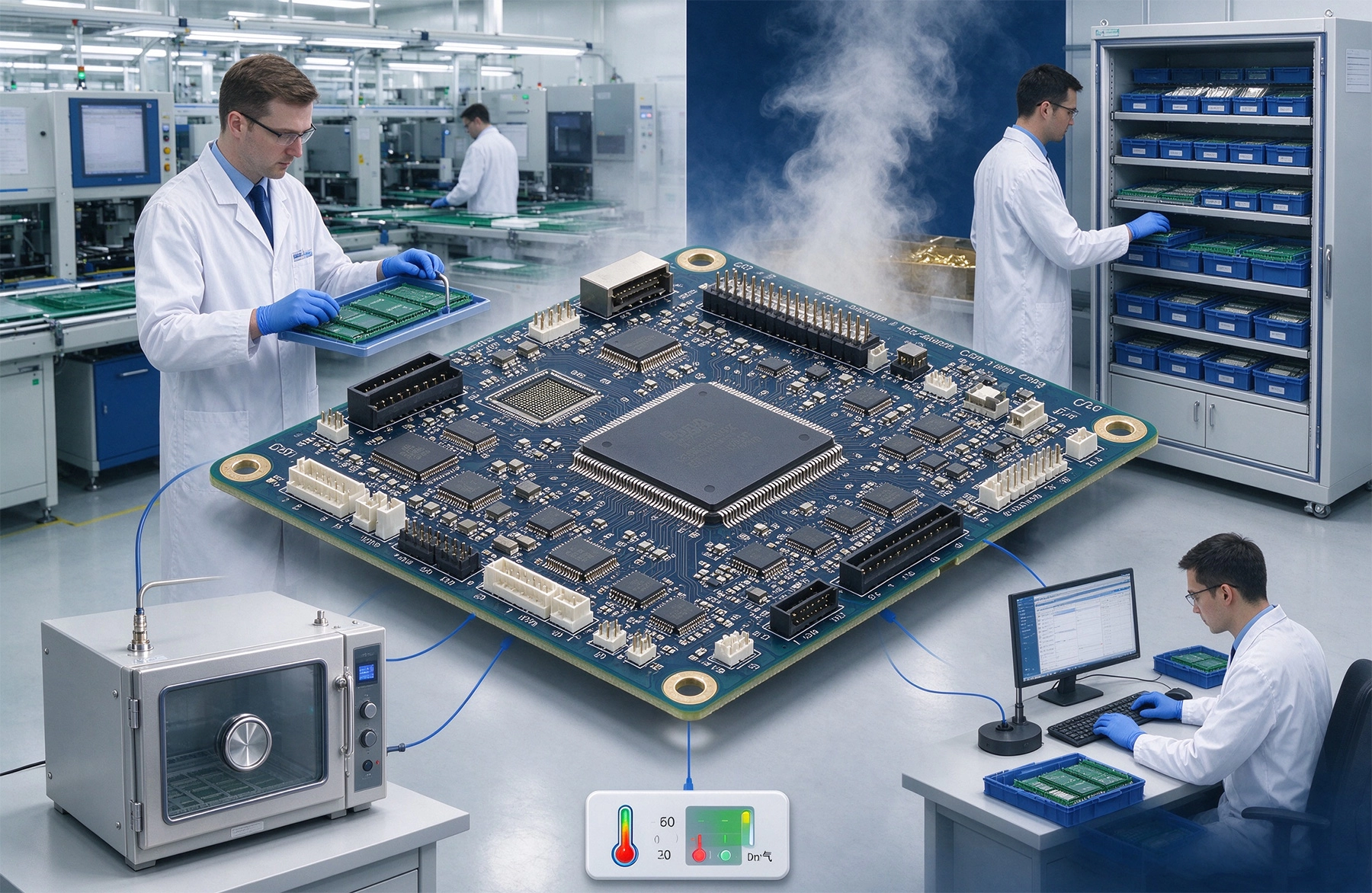
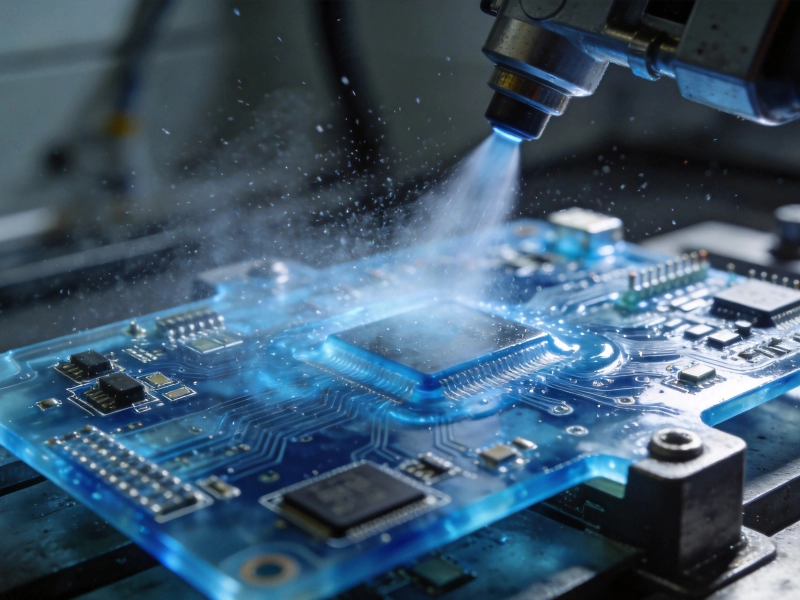
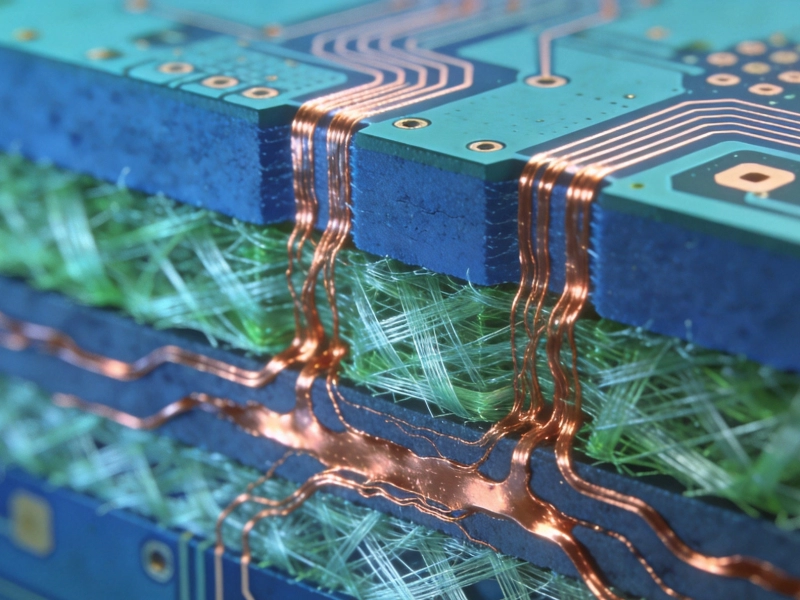
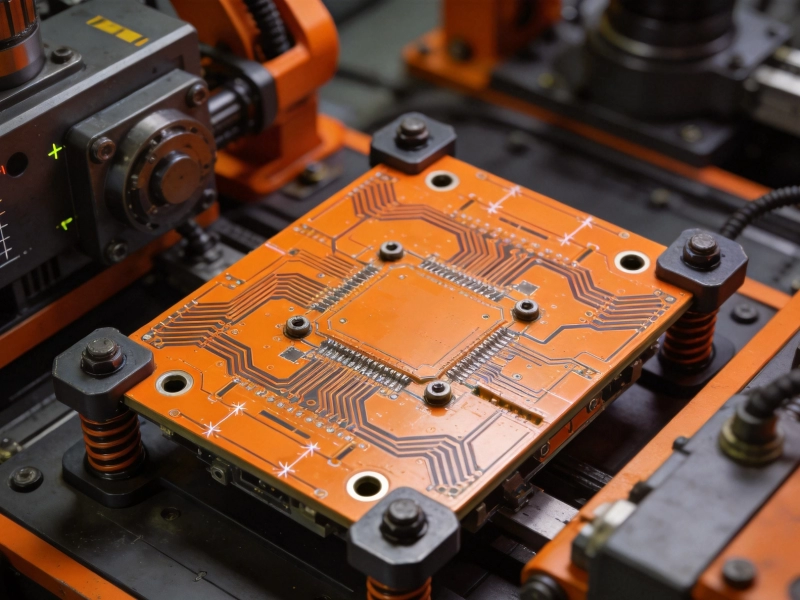
Moisture Sensitivity Level (MSL) management is one of the most critical yet often overlooked aspects of industrial printed circuit board assembly (PCBA) Quality Control. For Industrial Electronics that must operate reliably for 10+ years in harsh environments with extreme temperature fluctuations, vibration, and humidity, improper MSL handling can lead to hidden component damage that causes premature field failure long after the product has been deployed. Following standardized MSL management processes per IPC/JEDEC J-STD-020 standards can reduce Industrial Pcba field failure rates by up to 70% for moisture-sensitive components, significantly lowering warranty costs and improving product reliability.

What Are Moisture Sensitivity Levels (MSL)?
Moisture Sensitivity Level is a classification system defined by the IPC/JEDEC J-STD-020 standard that indicates how susceptible a plastic-packaged electronic component is to moisture absorption and subsequent damage during soldering processes.
The MSL Classification System
Components are rated from MSL1 (least sensitive) to MSL6 (most sensitive), each with a corresponding maximum "floor life"—the amount of time a component can be exposed to standard factory ambient conditions (30°C/86°F, 60% relative humidity) after opening its moisture-barrier bag (MBB) before it must be soldered or baked to remove absorbed moisture:
- MSL1: Unlimited floor life at ≤30°C/85% RH – no special storage or handling required
- MSL2: 1 year floor life
- MSL2a: 4 weeks floor life
- MSL3: 168 hours (7 days) floor life
- MSL4: 72 hours (3 days) floor life
- MSL5: 48 hours (2 days) floor life
- MSL5a: 24 hours (1 day) floor life
- MSL6: Must be baked before use regardless of exposure time, floor life = 0 hours
How Moisture Damages Components
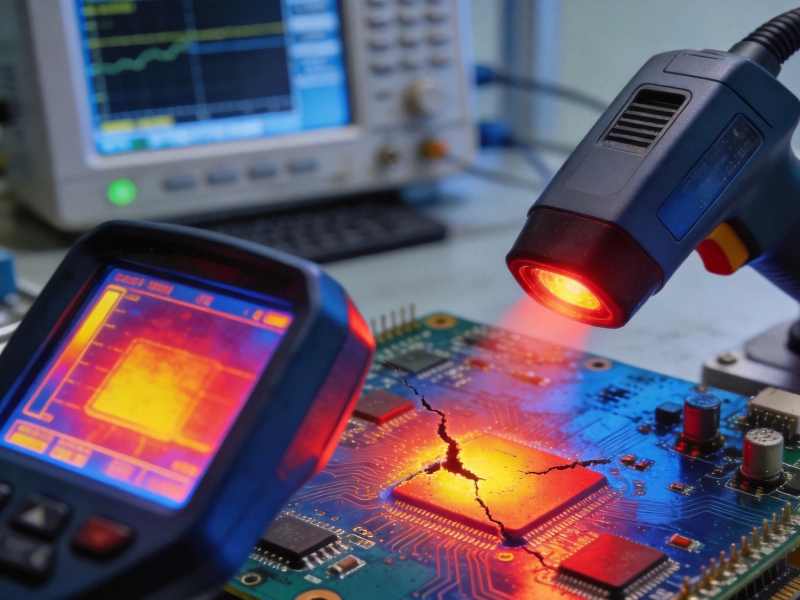
Plastic-encapsulated components absorb moisture from the environment over time. When exposed to the high temperatures of reflow soldering (240-260°C for lead-free processes), this absorbed moisture rapidly vaporizes and expands, creating internal pressure that can cause:
- Popcorning: Visible cracking or Delamination of the component package, named for the popping sound that occurs as steam escapes
- Internal Delamination: Hidden separation between the plastic encapsulation, die, and lead frame that may not be visible during post-assembly inspection but leads to premature failure in the field
- Bond wire damage: Expanding steam can break or deform the tiny gold or aluminum bond wires connecting the die to the component leads, causing intermittent or complete electrical failure
- Solder joint defects: Moisture-induced package warpage can lead to poor solder joint formation, especially for BGA and QFN packages
While popcorning is often visible during post-assembly inspection, internal delamination and bond wire damage may pass all functional tests at the factory, only to fail months or years later when exposed to temperature cycling, vibration, or humidity in industrial environments.
Why MSL Management Is Especially Critical for Industrial PCBA
MSL management is important for all electronics, but industrial applications face unique risks that make proper handling even more critical:
- Long service life requirements: Industrial Electronics are expected to operate reliably for 10-20 years, compared to 2-3 years for consumer electronics. Even minor internal damage from moisture exposure can lead to premature failure long after the product has been deployed.
- Harsh operating environments: Industrial equipment operates in extreme temperatures, high humidity, and high vibration environments that accelerate the propagation of moisture-induced defects. A component with minor internal delamination that would last 5 years in a consumer product may fail in less than 1 year in an industrial setting.
- High cost of failure: Field failures of industrial equipment can lead to costly production downtime, expensive on-site repairs, and even safety hazards. The cost of replacing a failed $50 component in a remote industrial location can exceed $10,000 when you factor in travel, labor, and downtime costs.
- Higher component value: Industrial PCBs often use high-value components like FPGAs, microcontrollers, power modules, and industrial sensors that can cost $100-$1000 each. Scrapping these components due to improper MSL handling leads to significant direct material losses.
- Higher sensitivity components: Many industrial-grade components use advanced packaging technologies like fine-pitch BGA, QFN, and stacked die packages that are more sensitive to moisture damage than consumer-grade components. 60% of industrial semiconductor components are rated MSL3 or higher, compared to 30% of consumer components.
A recent study of industrial PLC failures found that 28% of early field failures could be traced back to moisture-induced component damage caused by improper MSL handling during assembly.
End-to-End MSL Management Best Practices for Industrial PCBA
Effective MSL management requires consistent processes across the entire production lifecycle, from component receiving to finished product testing. Follow these industry-proven best practices for industrial applications:
1. Incoming Component Inspection and Identification
- Verify MSL ratings for all components during receiving, and ensure all moisture-sensitive devices (MSDs) are shipped in properly sealed moisture barrier bags (MBBs) with humidity indicator cards (HICs) that show no moisture exposure during transit.
- Label all MSDs with their MSL rating, recommended baking profile, and maximum floor life before storage. For bulk components, apply labels to each reel or tray, not just the outer shipping box.
- Reject any MBBs that are damaged, punctured, or have HICs indicating moisture exposure above the acceptable limit. Bake these components immediately before use, or return them to the supplier.
2. Proper Storage of Moisture-Sensitive Components
- Store unopened MBBs in a controlled environment at ≤30°C and ≤60% RH to maximize component shelf life.
- For opened MSDs that have not exceeded their floor life, store them in dry cabinets or nitrogen cabinets maintained at ≤10% RH. This effectively pauses the floor life countdown while components are not in use.
- Maintain temperature and humidity logs for all storage areas, with automated alerts if conditions exceed acceptable limits.
- Implement first-in, first-out (FIFO) inventory management for MSDs to minimize storage time and reduce the risk of Component Obsolescence or moisture absorption over time.
3. Controlled Component Unpacking and Floor Life Tracking
- Only open MBBs when you are ready to use the components, not in advance for Production Planning.
- Record the exact date and time when each MBB is opened, and calculate the component's expiration time (open time + floor life for its MSL rating). Attach a label with the expiration time to the reel or tray.
- Never use components that have exceeded their maximum floor life without first baking them to remove absorbed moisture.
- Limit the number of times MSDs are removed from dry cabinets. Each time you remove a component from dry storage, the floor life countdown resumes.
- Return any unused MSDs to dry storage within 1 hour of removal from the production line to minimize moisture exposure.
4. Standardized Baking Processes for Exposed Components
Components that have exceeded their floor life or been exposed to excessive moisture must be baked to remove absorbed moisture before soldering. Follow these guidelines for industrial components:
- Use component manufacturer-recommended baking profiles whenever possible. As a general guideline per J-STD-033:
- For most plastic packages: Bake at 125°C for 4-24 hours, depending on MSL rating and package thickness
- For temperature-sensitive components: Use low-temperature baking at 40°C/<5% RH for 100-400 hours
- For components with tape-and-reel packaging: Bake at 70°C for 8-72 hours to avoid damaging the carrier tape
- Never bake components beyond their maximum recommended temperature or time, as this can cause lead oxidation, package discoloration, or internal component damage.
- Limit the number of baking cycles per component to a maximum of 3, as repeated Thermal Cycling can degrade component performance and reliability.
- Record all baking cycles for each component reel or lot, including temperature, duration, and remaining floor life after baking.
- After baking, components should be soldered within the applicable floor life for their MSL rating, or returned to dry storage.
5. Production Line Process Controls
- Maintain SMT production line environmental conditions at 20-25°C and 40-60% RH, with continuous monitoring and logging. Higher humidity levels accelerate moisture absorption and reduce effective floor life.
- Train all production staff on proper MSL handling procedures, including how to read MSL labels, track floor life, and identify moisture-related defects.
- Implement checks at the pick-and-place stage to verify that MSDs have not exceeded their expiration time before being placed on the board.
- For high-reliability industrial applications, consider using in-line X-ray Inspection or acoustic microscopy to detect internal delamination in high-value BGA and QFN components after reflow.
- Quarantine any boards built with potentially moisture-damaged components for further inspection and Reliability Testing before shipping.
6. Full Traceability and Documentation
- Maintain full traceability for all MSDs, including lot number, MSL rating, date received, date opened, baking history, and the serial numbers of boards they were assembled on.
- Retain all MSL records for the entire lifecycle of the product, plus the warranty period, to enable root cause analysis if field failures occur.
- Conduct regular internal audits of MSL processes to ensure compliance with Ipc Standards and your internal procedures.
Common MSL Management Mistakes to Avoid
Even well-intentioned teams often make these avoidable MSL handling mistakes that reduce Industrial Pcba reliability:
- Ignoring lower MSL ratings: Many teams only implement strict controls for MSL4+ components, but MSL2 and MSL3 components can still suffer moisture damage if exposed for extended periods, especially in higher humidity environments.
- Using generic baking profiles: Baking all components at 125°C for 24 hours regardless of package type can damage temperature-sensitive components, especially industrial sensors and RF modules with specialized packaging.
- Inadequate floor life tracking: Relying on operator memory instead of formal tracking systems to determine if components are still within their floor life is the most common cause of MSL-related failures.
- Neglecting partial reels: Leaving partially used reels of MSDs on production benches or in storage cabinets without proper dry storage is a frequent source of moisture exposure.
- Assuming passing Functional Testing means no damage: As mentioned earlier, internal delamination and bond wire damage often pass functional tests at the factory, only to fail later in the field. Never rely solely on post-assembly testing to catch moisture-related defects.
- Forgetting about moisture exposure during shipping: If you ship unpopulated components to a contract manufacturer, ensure they are properly sealed in MBBs with HICs, and confirm your CM has proper MSL processes in place.
Case Study: 93% Reduction in Field Failures After Implementing MSL Controls
We recently worked with an industrial PLC manufacturer that was experiencing a 3.2% annual field failure rate for their flagship product, with failures occurring 1-3 years after deployment. Root cause analysis identified internal delamination in the main CPU BGA component, caused by improper MSL handling during assembly: the components were rated MSL3, but the factory was not tracking floor life, and components were often exposed for 2-3 weeks before being soldered.
After implementing our recommended end-to-end MSL management system:
- Annual field failure rates dropped from 3.2% to 0.22%, a 93% reduction
- Warranty and repair costs decreased by $820,000 per year
- Production first-pass yield improved by 4.7% due to reduced popcorning defects
- The company was able to extend their product warranty from 3 years to 5 years, creating a significant competitive advantage
The total cost of implementing the MSL management system was less than $50,000, delivering an ROI of over 1500% in the first year alone.
Additional Considerations for High-Reliability Industrial Applications
For applications with the highest reliability requirements (medical devices, aerospace, energy grid equipment), consider implementing these additional controls:
- Conduct preconditioning testing on all new component lots per IPC/JEDEC J-STD-020, simulating moisture exposure and reflow soldering followed by temperature cycling and biased humidity testing to validate reliability.
- Use nitrogen-purged dry cabinets for storage of MSL3+ components to minimize oxidation during storage.
- Implement 100% X-ray or acoustic microscopy inspection for high-value BGA components after assembly to detect internal delamination.
- Work with your component suppliers to obtain custom MSL testing for non-standard components or packaging types.
Proper MSL management is not just a production cost—it is an investment in the long-term reliability of your industrial products. By implementing standardized, end-to-end processes for handling moisture-sensitive components, you can significantly reduce field failures, lower warranty costs, and improve customer satisfaction with products that deliver on their promised 10+ year service life.
Contact us to discuss your requirements.