Open Nav


When designing electronics for harsh environments, engineers often overlook one critical factor. If you want to achieve long-term Industrial Pcb reliability, you have to master Thermal Management strategies. I've seen too many expensive boards fail in the field just because they got too hot. It's a tough lesson, but an important one. In this guide, we'll walk through practical ways to keep your boards cool and running smoothly for years.
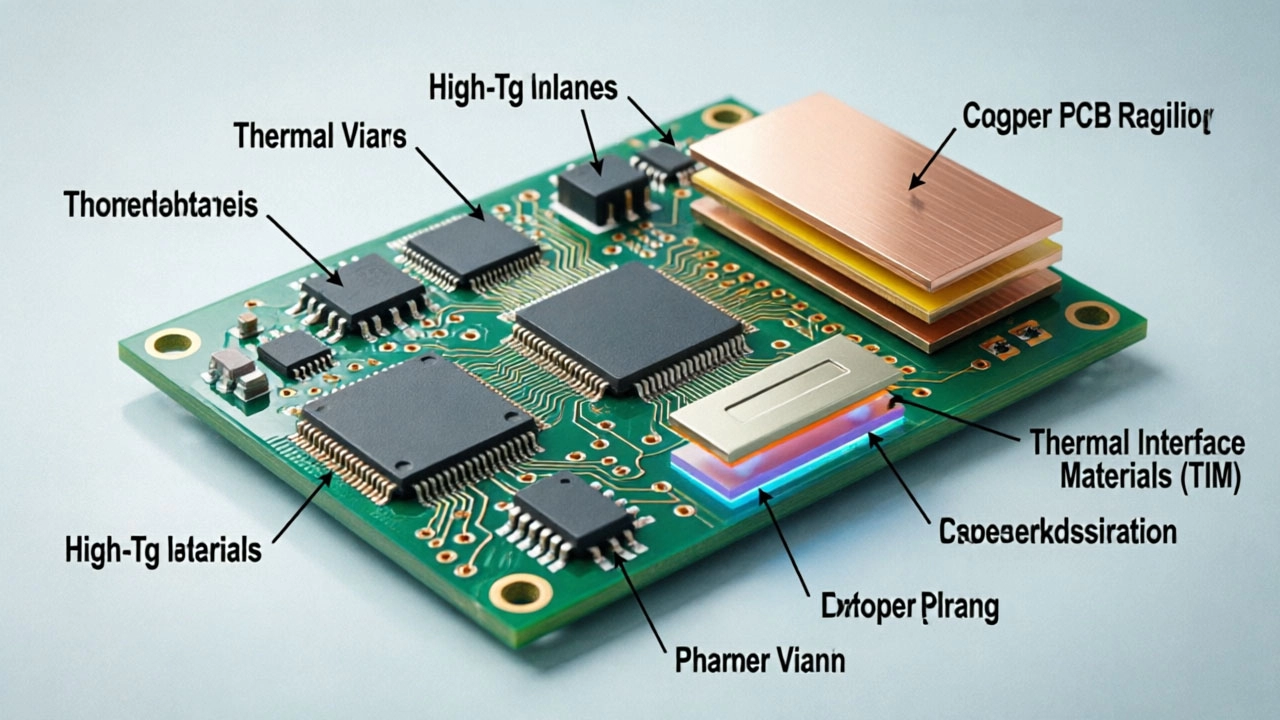
Heat is basically the enemy of longevity. Every time a board runs hot, the materials expand. When it cools down, they shrink. This constant cycle causes stress. If you don't plan for it, solder joints will eventually crack. Implementing proper Thermal Management Strategies for Long-Term Industrial Pcb Reliability is not just about keeping things cool today. It's about surviving the thousands of thermal cycles over a decade. I remember a project where we ignored this, and the vias cracked after just two years. We had to redesign the whole thing.
Where you put your parts matters a lot. You should always try to spread out the heat sources. Don't put three power regulators right next to each other. That's just asking for trouble. Keep sensitive components, like analog sensors, away from the hot stuff. A good rule of thumb is to leave at least 10mm of space. Also, think about the airflow. If the board is in a box, make sure there's a path for the air to move. Sometimes, just rotating a chip 90 degrees helps the air flow better over it. It's a small change, but it makes a big difference.
Standard FR-4 is okay for consumer stuff, but industrial boards need better. You might want to look at High-tg Materials. They handle heat way better without getting soft. Also, don't be afraid to use thicker copper. Going from 1oz to 2oz or even 3oz copper helps spread the heat laterally. It acts like a heat spreader. I've seen cases where adding a thermal pad under a QFN package dropped the temperature by 15 degrees. That's huge. Just make sure you use enough thermal vias to get the heat down to the inner layers. Four vias is usually the minimum, but more is often better.
Sometimes, copper and layout just isn't enough. You might need a fan or a heatsink. Fans are great, but they have moving parts that can fail. In dusty industrial environments, fans can get clogged up pretty fast. Passive cooling is often more reliable. If you can design a big enough heatsink, do it. Also, consider the thermal interface material (TIM). A cheap thermal pad can ruin your whole design. Spend the extra buck on good quality TIM. It fills the microscopic gaps between the chip and the heatsink. I've tested different brands, and the difference in temperature can be surprising.
Don't just trust the simulation. You have to test the board in real conditions. Put it in a chamber and cycle the temperature. Watch it with a thermal camera. You'll be surprised where the hot spots are. Sometimes, a tiny capacitor gets hotter than the main processor. These Thermal Management Strategies for Long-Term Industrial Pcb Reliability are only as good as your testing. Also, check the board after the test. Look for discoloration or cracked solder. If you see that, you need to go back to the drawing board. It's better to find the problem now than when the board is installed in a factory.
Managing heat is a balancing act. You need good layout, the right materials, and proper testing. If you follow these Thermal Management Strategies for Long-Term Industrial Pcb Reliability, your products will last longer. Your customers will be happier, and you'll get fewer warranty returns. So, take a look at your current design. Is there a hot spot you missed? Maybe it's time for a redesign. Don't wait for a failure to teach you a lesson.
Q: How do I know if my board needs better thermal management?
A: If the components are too hot to touch, or if you're seeing intermittent failures, heat is likely the cause. Also, check your datasheets for max junction temperatures.
Q: Are thermal vias really that important?
A: Yes, absolutely. They provide a direct path for heat to escape. Without them, the heat gets trapped under the component. I usually recommend an array of vias under thermal pads.
Q: Can I use standard FR-4 for industrial applications?
A: You can, but it's risky for high-power designs. High-Tg or metal-core boards are much safer bets for long-term reliability.
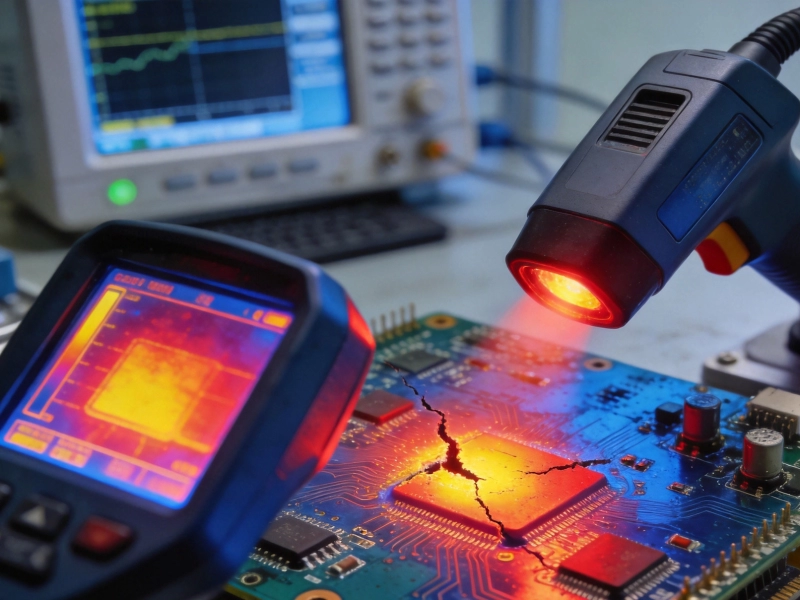
Top 5 Causes of Failure and How to Improve Industrial PCB ReliabilitySeptember/21/2026
How to Enhance the Mechanical Strength of HDI StructuresSeptember/07/2026
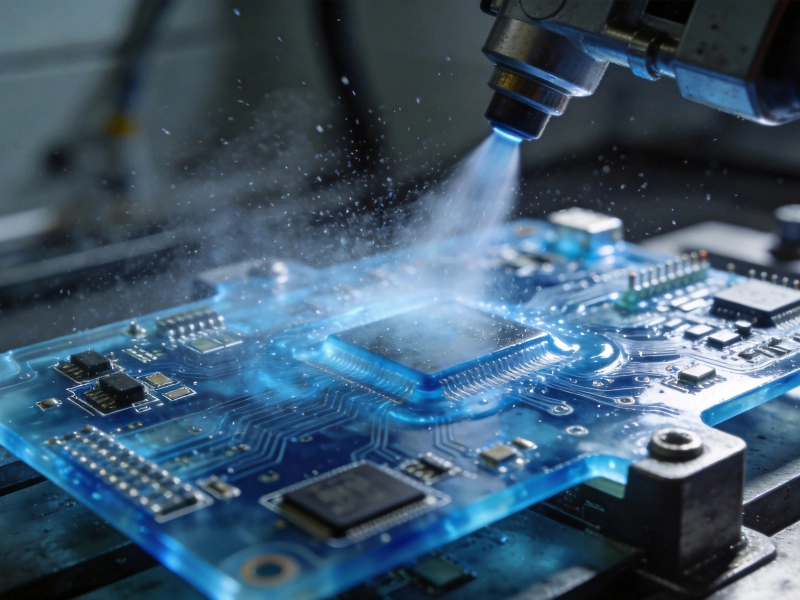
The Role of Conformal Coating in Enhancing Industrial PCB ReliabilityJuly/17/2026
Ensuring Industrial PCB Reliability in Extreme Environmental ConditionsMay/27/2026
How to Prevent Electrochemical Migration (CAF) for Better Industrial PCB ReliabilitySeptember/04/2026
Vibration and Shock: Designing for Industrial PCB Reliability in AutomationJune/30/2026
X-Ray Inspection: Why It's Vital for Complex Industrial PCBA ProjectsSeptember/26/2026
How to Implement a Robust Quality Assurance Plan for Industrial PCBsJuly/07/2026