Open Nav


Selecting the right manufacturer for industrial PCB Fabrication is one of the most critical decisions in electronics product development. The quality of your printed circuit boards directly impacts product performance, reliability, and ultimately, your brand reputation. With thousands of PCB manufacturers worldwide, how do you identify the partner that meets your specific requirements for industrial-grade applications?
This comprehensive guide walks you through the essential factors to evaluate when choosing an Industrial Pcb manufacturer, from technical capabilities and quality certifications to production capacity and cost structures. Whether your developing IoT sensors, automation controllers, or power management systems, these criteria will help you make an informed decision.

Industrial applications demand PCBs that can withstand harsh environments, maintain consistent performance over extended periods, and meet stringent regulatory requirements. Unlike consumer electronics where cost often drives decisions, industrial PCB Fabrication prioritizes reliability and longevity. A poorly manufactured board can lead to field failures, costly recalls, and safety hazards in industrial settings.
Consider these scenarios: a manufacturing automation system fails due to board Delamination caused by inadequate lamination processes, or a power control unit experiences thermal issues because the manufacturer didn't properly specify copper thickness. These failures aren't just technical problems—they're business risks that can damage customer relationships and incur significant financial losses.
The right manufacturer brings more than production capability. They offer engineering expertise to optimize your designs, quality assurance systems that catch defects before they reach your facility, and supply chain stability that ensures consistent delivery. For industrial projects where timeline and quality cannot be compromised, these factors are non-negotiable.
Quality certifications provide objective evidence of a manufacturer's commitment to consistent processes and product quality. For Industrial Pcb fabrication, several certifications carry significant weight:
Don't just verify that certifications exist—examine how they're applied. Request recent audit reports or quality incident documentation to understand their actual quality culture. A manufacturer with certifications but poor Quality Control processes will eventually deliver substandard products.
Not all PCB manufacturers can handle industrial-grade requirements. Evaluate their technical capabilities across these critical parameters:
Layer Count and Complexity: Industrial applications often require multi-layer boards (4-16 layers) for Signal Integrity and Power Distribution. Verify their experience with your target layer count. Some manufacturers specialize in simple 2-layer boards while others excel at complex high-layer-count designs with Controlled Impedance.
Material Selection: Industrial environments may require specialized materials—FR-4 high-Tg for thermal stability, polyimide for extreme temperatures, or metal-core boards for power applications. A manufacturer limited to standard FR-4 may struggle with your advanced material requirements.
Surface Finish Options: HASL, ENIG, OSP, and immersion silver each serve different application needs. Industrial boards often use ENIG for wire bonding compatibility or OSP for cost-sensitive high-volume production. Ensure the manufacturer offers your preferred finish with consistent quality.
Specialized Processes: Controlled Impedance manufacturing, blind/buried vias, Via-in-pad, and heavy copper specifications require specific equipment and expertise. Ask for examples of similar industrial projects they've completed.
Assembly Services: Many industrial projects benefit from integrated Pcb Fabrication and assembly. If you need populated boards, evaluate their SMT capabilities, component sourcing, and testing infrastructure. Integrated services reduce coordination complexity and often improve quality through manufacturing traceability.
Your manufacturing partner must accommodate both current volumes and anticipated growth. Industrial products often start with pilot production (tens to hundreds of units) before scaling to thousands. A manufacturer optimized for prototype runs may struggle with volume production, while high-volume specialists might not prioritize small orders.
Assess these capacity factors:
Request their capacity utilization rate. A manufacturer running at 95% capacity may deliver initially but struggle with your growth or competing orders. Those operating at 70-80% utilization typically offer better responsiveness and flexibility.
Price comparisons alone mislead because cost structures vary significantly between manufacturers. A low quoted price might exclude tooling costs, testing, or shipping, or reflect reduced quality control. Evaluate the complete cost picture:
Value extends beyond direct costs. Consider their engineering support—does design review assistance prevent costly Design Errors? Do they offer recommendations for manufacturability improvements that reduce future production costs? These value-added services often justify slightly higher unit prices.
Effective communication prevents costly misunderstandings and delays. Industrial projects often involve technical complexities requiring discussion—impedance tolerances, material alternatives, or assembly process details. Evaluate their communication infrastructure:
Start by eliminating manufacturers that cannot meet your basic technical requirements. Prepare a capability checklist including layer count, material types, minimum trace/space dimensions, hole sizes, and surface finish options. Send this to prospective manufacturers for quick qualification. Many will self-select out if they recognize capability gaps, saving evaluation time.
Before committing to volume production, order sample boards to evaluate actual output quality. Sample orders reveal:
For critical industrial applications, consider electrical testing of sample boards—impedance measurements, continuity tests, and Thermal Cycling reveal process consistency that visual inspection cannot detect.
Facility visits provide insights impossible to gain remotely. Observe production floor organization, equipment condition, environmental controls, and worker engagement. Well-maintained equipment and organized workspaces typically indicate quality culture beyond certifications.
During visits, ask specific questions:
If international travel is impractical, request video facility tours or detailed photo documentation. Some manufacturers provide virtual facility walk-throughs that reveal similar insights.
Request references from similar industrial projects—same application type, complexity level, and volume range. Contact these references to discuss:
Industrial projects often span years, making long-term partnership quality critical. References that have worked with the manufacturer for multiple years provide the most valuable insights.
After selecting a preferred manufacturer, negotiate terms that align with your project requirements:
Begin with pilot production to validate quality and processes before larger commitments. This controlled introduction reduces risk while building production history with the manufacturer.
Choosing Based Only on Price: The lowest price often correlates with reduced quality control, limited technical support, or hidden costs. Industrial reliability requirements rarely align with lowest-cost strategies.
Assuming Certifications Guarantee Quality: Certifications demonstrate process documentation, not process effectiveness. Some manufacturers maintain certifications while cutting corners in actual production. Always verify certification application through audits and sample evaluation.
Overlooking Material Specifications: Generic material names like "FR-4" encompass wide performance ranges. Industrial applications often require specific material grades—TG130, TG170, or specialized formulations. Ensure manufacturers source specified materials rather than generic alternatives.
Ignoring Future Scale Needs: A manufacturer perfect for prototype volumes may struggle with production scale-up. Evaluate capacity expansion capability before committing, especially for products with growth potential.
Skipping Sample Evaluation: Direct volume orders without sample validation risk discovering quality issues after significant investment. Samples cost little compared to potential production failures.
Selecting the right Industrial Pcb manufacturer requires systematic evaluation across technical capabilities, quality systems, production capacity, cost structures, and partnership factors. Industrial applications demand reliability that consumer-grade manufacturing cannot guarantee, making manufacturer selection a strategic decision rather than a purchasing transaction.
By following the evaluation steps outlined here—technical screening, sample testing, facility assessment, reference verification, and negotiated pilot production—you can identify manufacturing partners who deliver consistent quality, engineering value, and supply reliability. The investment in thorough selection pays dividends through reduced quality risks, smoother production cycles, and ultimately, industrial products that perform reliably in demanding applications.
Start your manufacturer evaluation with clear technical requirements, communicate expectations explicitly, and validate capabilities before volume commitment. These practices establish partnerships that support both current production needs and future growth.
Look for ISO 9001:2015 for quality management, IPC Class 2 or Class 3 certification depending on your reliability requirements, and UL certification if your boards are used in electrical equipment. ISO 14001 for environmental management is increasingly valued by companies with sustainability commitments.
Request capability questionnaires, review similar project examples, and order sample boards that test your specific requirements. Sample production reveals actual capability versus claimed capability, particularly for specialized processes like controlled impedance or heavy copper specifications.
Each offers advantages. Domestic manufacturers provide easier communication, faster shipping, and simplified logistics. Overseas manufacturers, particularly in Asia, often offer lower costs and larger capacity. Your decision should weigh communication needs, cost sensitivity, timeline requirements, and supply chain complexity tolerance.
Prepare complete design files (Gerber, BOM for assembly), material specifications, surface finish requirements, quantity ranges, testing requirements, and delivery timeline. Incomplete specifications lead to incomplete quotes and production misunderstandings.
For populated boards, integrated fabrication and assembly reduces coordination complexity, improves quality traceability, and often reduces total cost. Separate fabrication and assembly providers require additional logistics, qualification effort, and potential quality gaps at the interface point.
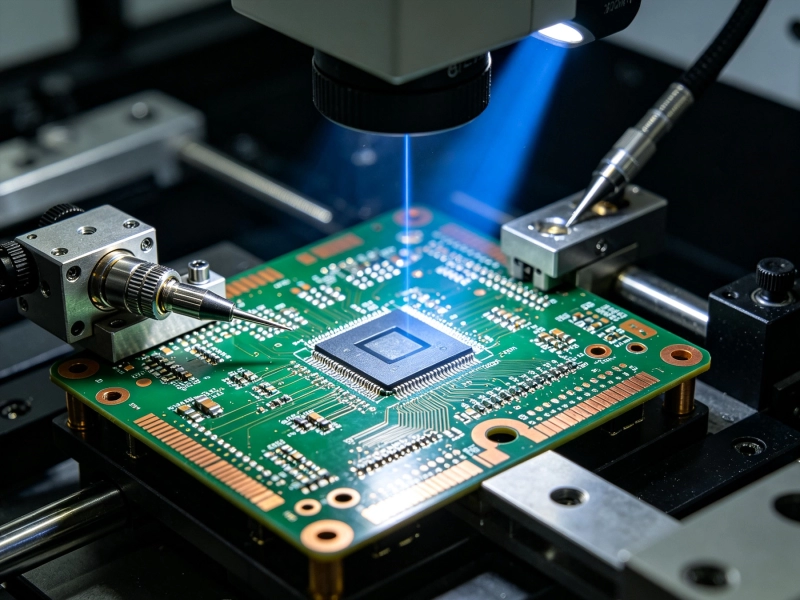
Precision Engineering: Tolerances in High-End Industrial PCB FabricationSeptember/03/2026

Overcoming Common Defects in Industrial PCB FabricationAugust/03/2026
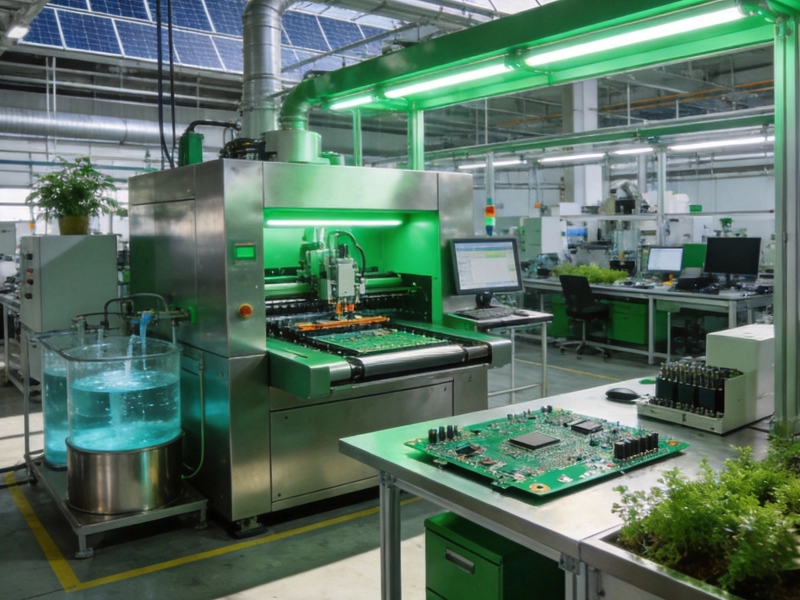
Eco-Friendly Practices in Modern Industrial PCB FabricationSeptember/20/2026
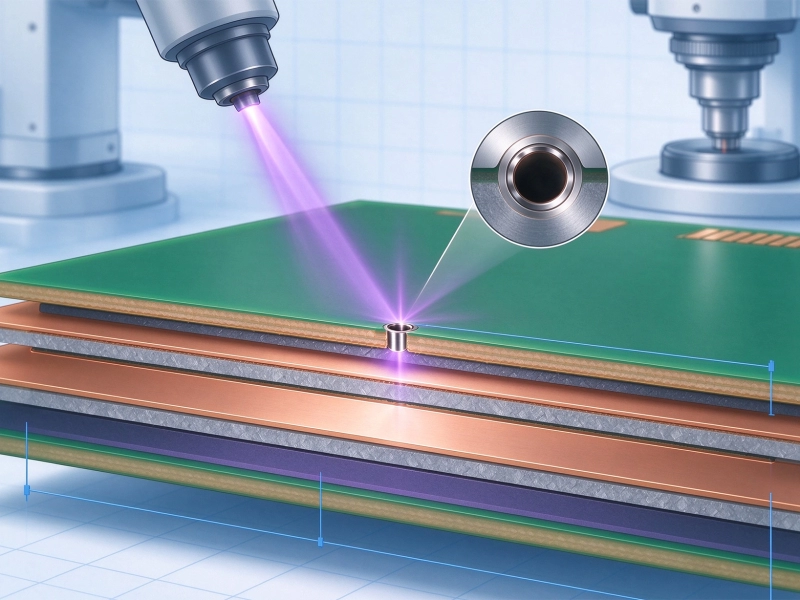
The Role of Laser Drilling in High-Precision Industrial PCB FabricationOctober/15/2026
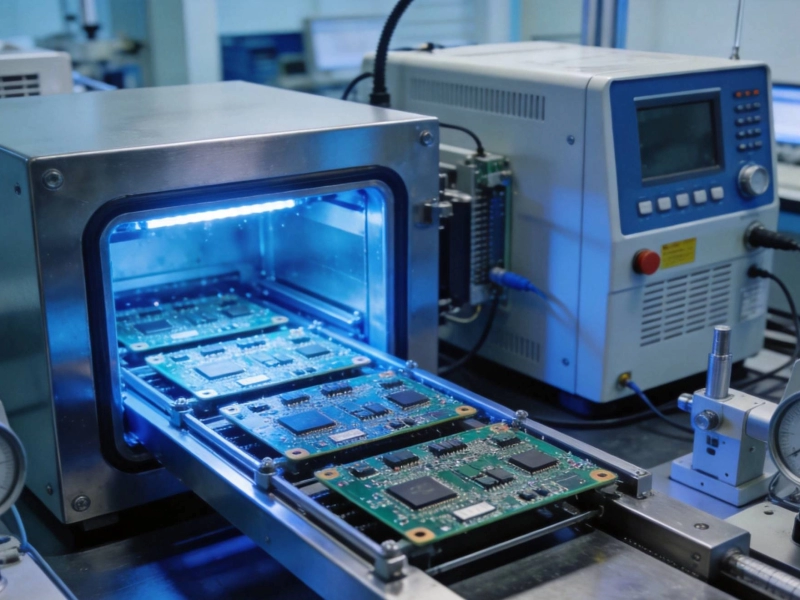
Predicting Lifespan: Accelerated Life Testing for Industrial PCB ReliabilityAugust/03/2026
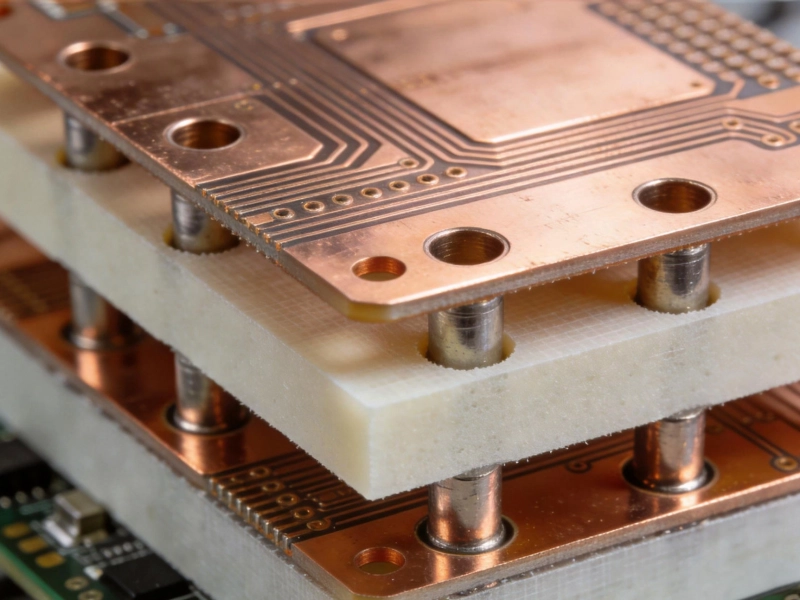
Materials, Methods, and Industry Standards ExplainedMay/27/2026
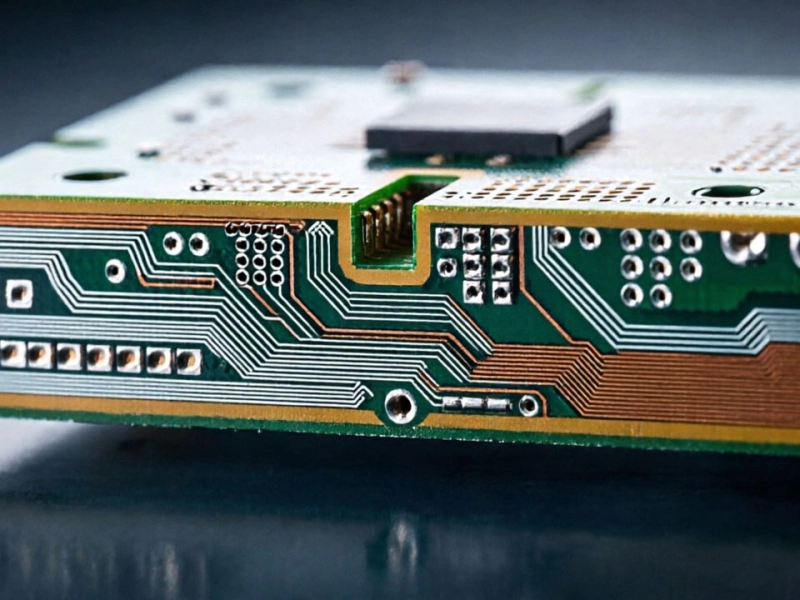
Advanced Techniques in Multi-Layer Industrial PCB FabricationJune/03/2026
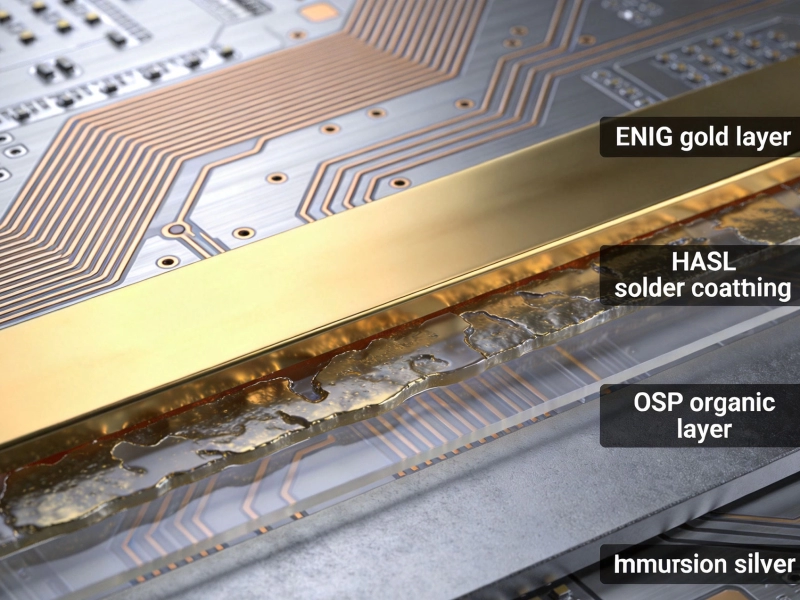
The Impact of Surface Finishes on Industrial PCB Fabrication QualityJuly/16/2026