Home Blog Industrial PCB Quality & Testing
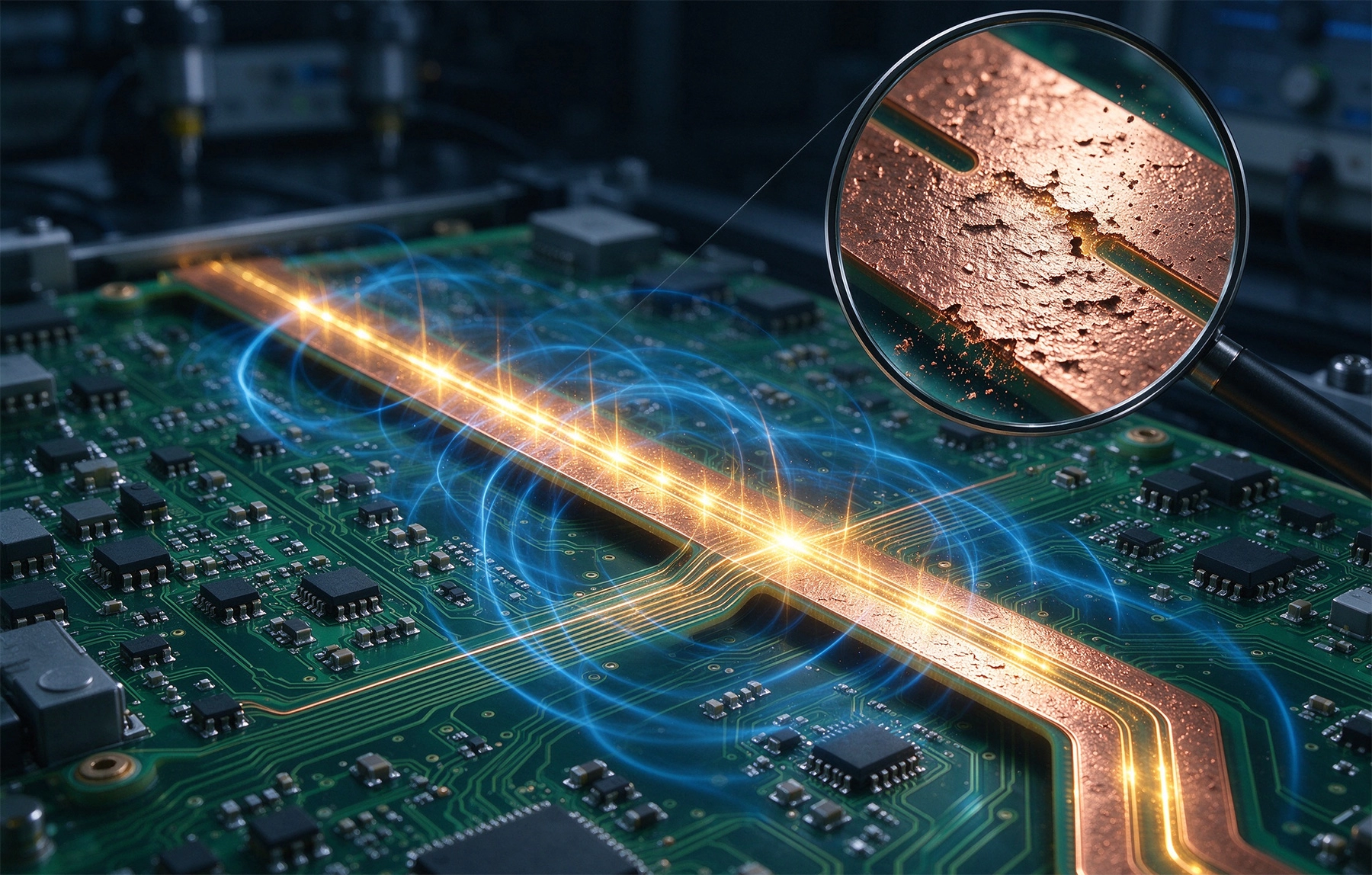
  1. October/13/2026The Impact of Surface Roughness on High-Speed Signal Integrity
    The Impact of Surface Roughness on High-Speed Signal Integrity
  2. September/29/2026Why Electrical Testing is Non-Negotiable for Industrial PCB Quality
    Why Electrical Testing is Non-Negotiable for Industrial PCB Quality
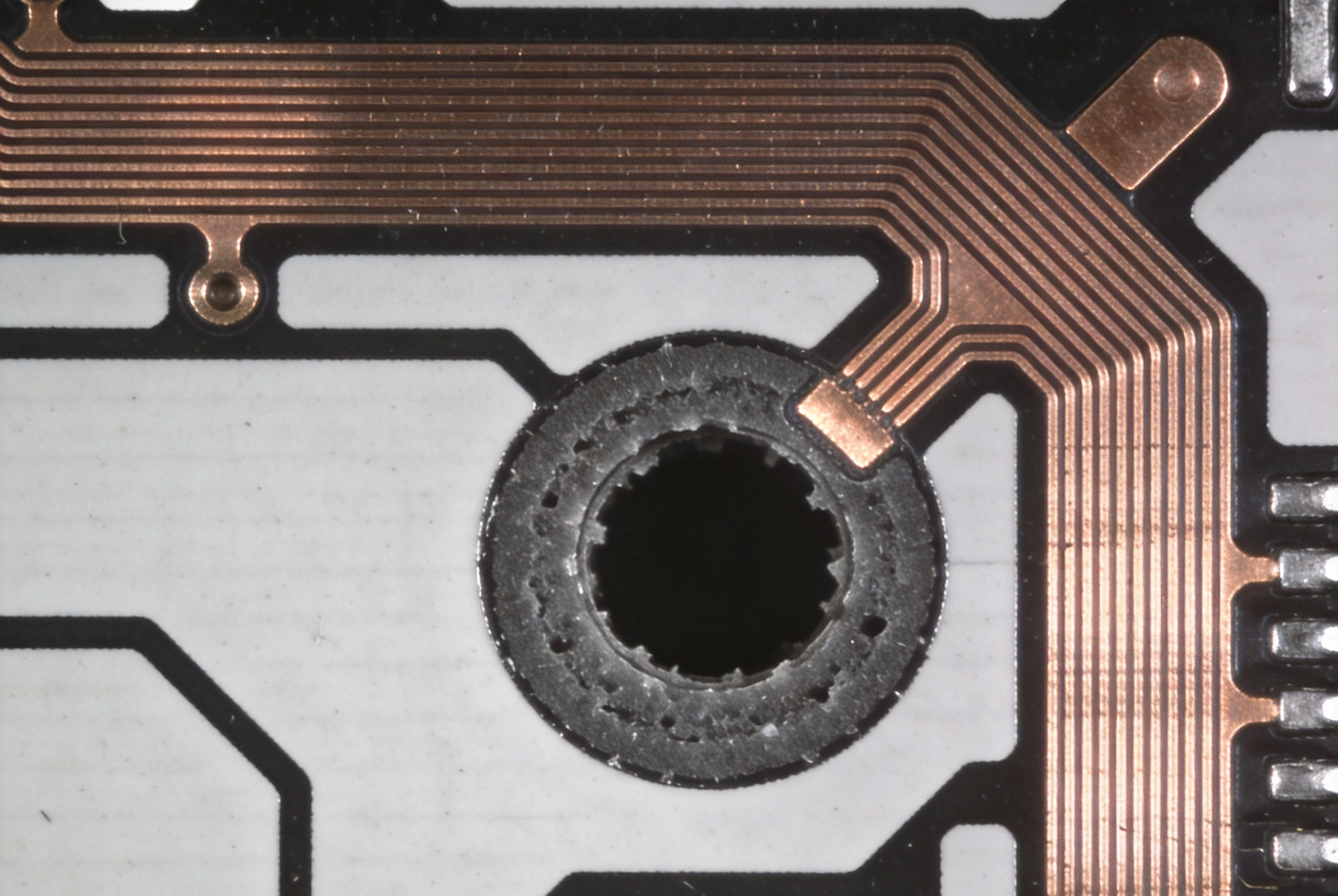
  3. September/10/2026Identifying and Fixing Micro-Vias Issues in Industrial PCB Quality Inspections
    Identifying and Fixing Micro-Vias Issues in Industrial PCB Quality Inspections
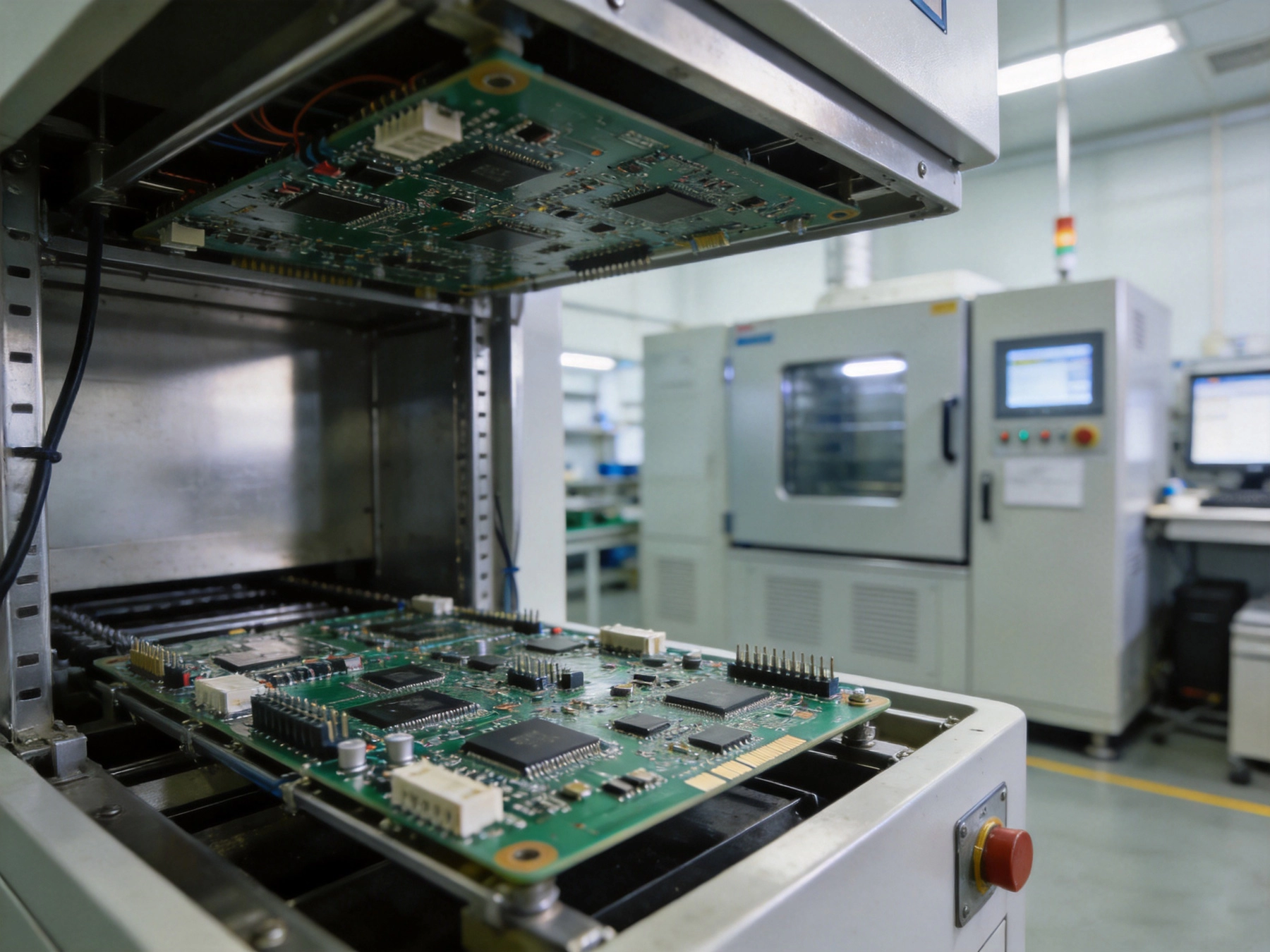
  4. August/08/2026Environmental Stress Screening (ESS) for Validating Industrial PCB Quality
    Environmental Stress Screening (ESS) for Validating Industrial PCB Quality
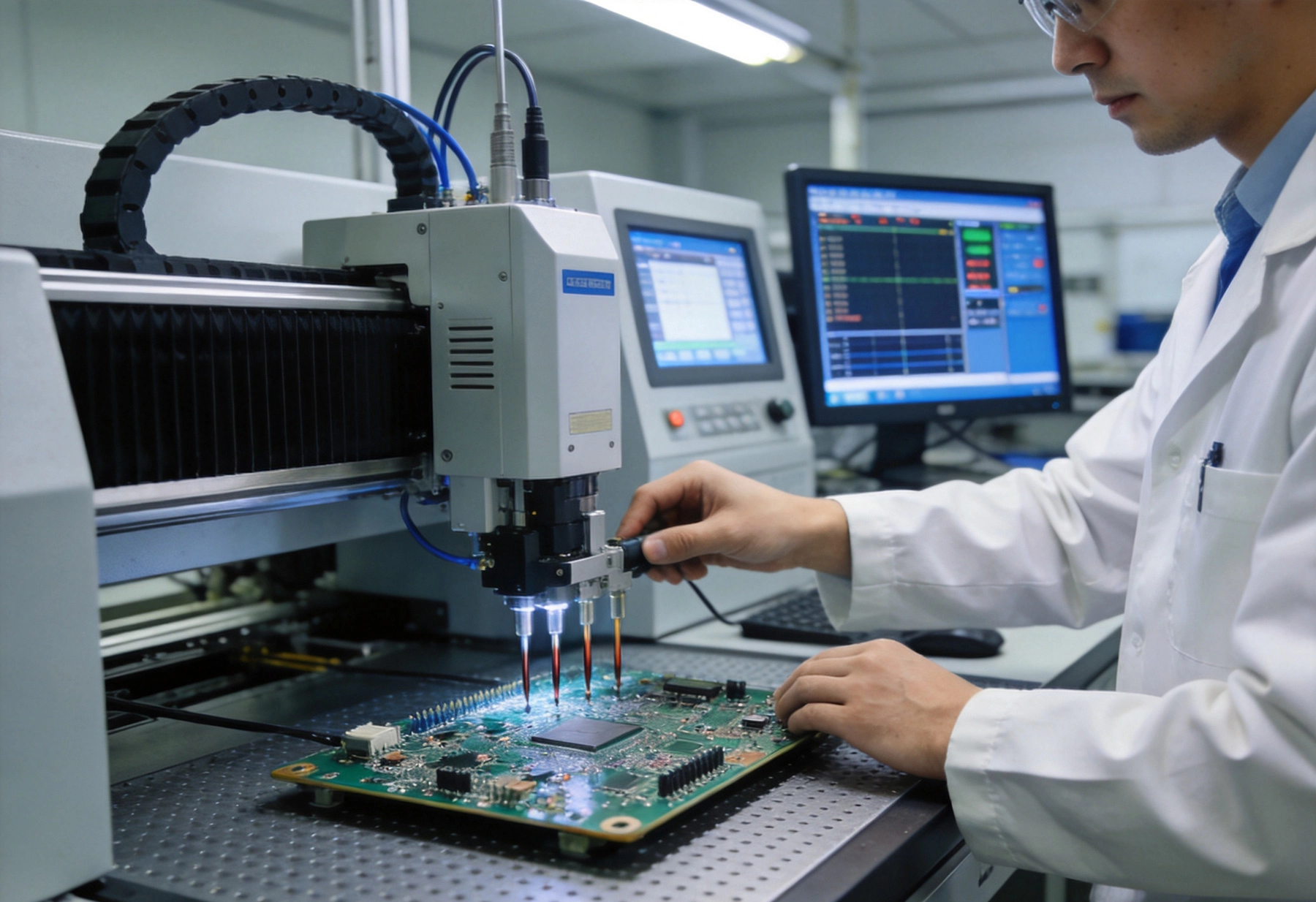
  5. July/22/2026The Role of Flying Probe Testing in Industrial PCB Quality Control
    The Role of Flying Probe Testing in Industrial PCB Quality Control
  6. July/07/2026How to Implement a Robust Quality Assurance Plan for Industrial PCBs
    How to Implement a Robust Quality Assurance Plan for Industrial PCBs
  7. June/11/2026Understanding IPC Class 3 Standards for High-Reliability Industrial PCBs
    Understanding IPC Class 3 Standards for High-Reliability Industrial PCBs
  8. May/27/2026Essential Quality Control Tests for Industrial PCBs- ICT, FCT, and AOI
    Essential Quality Control Tests for Industrial PCBs- ICT, FCT, and AOI

Industrial PCB Quality & Testing

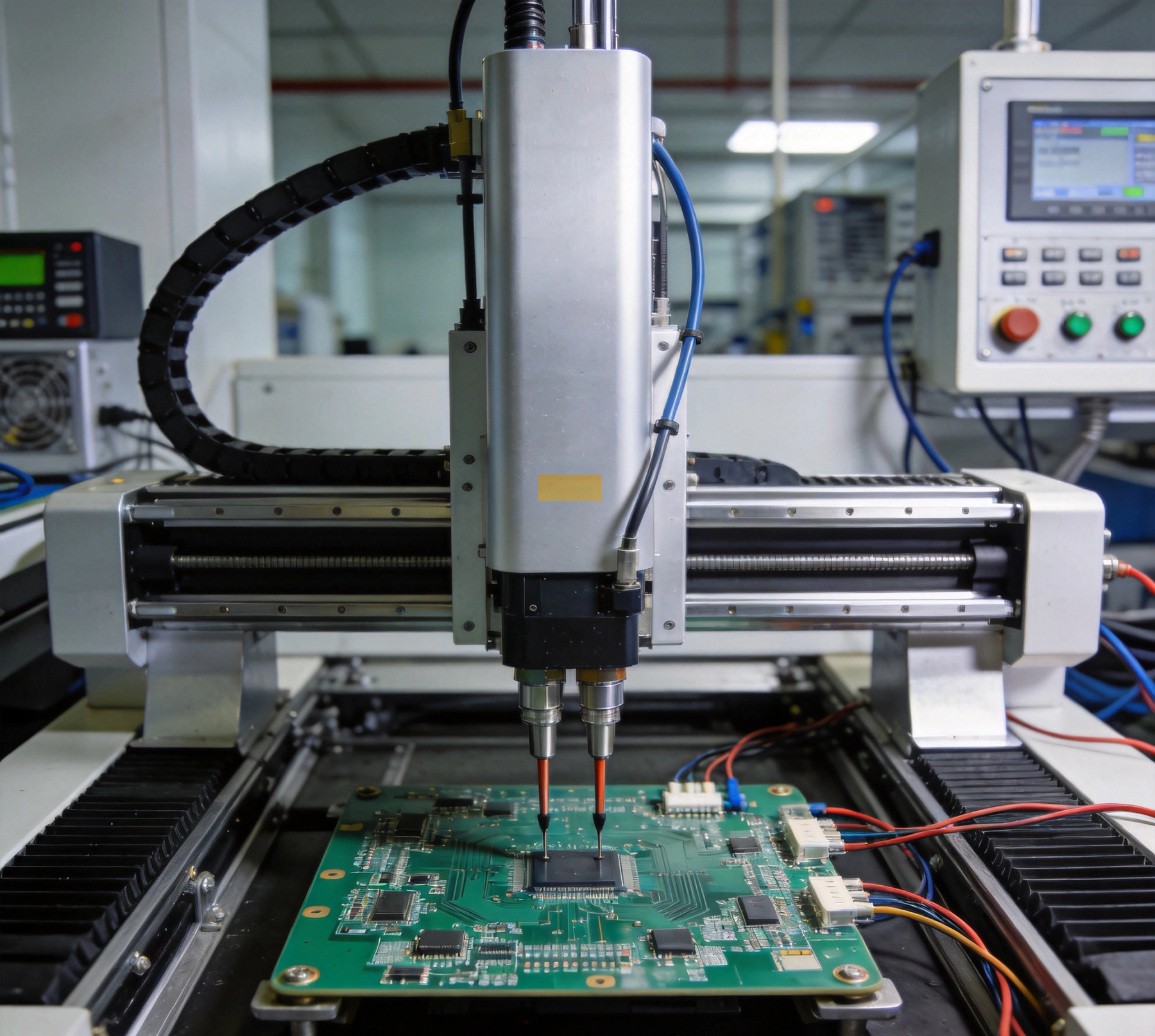
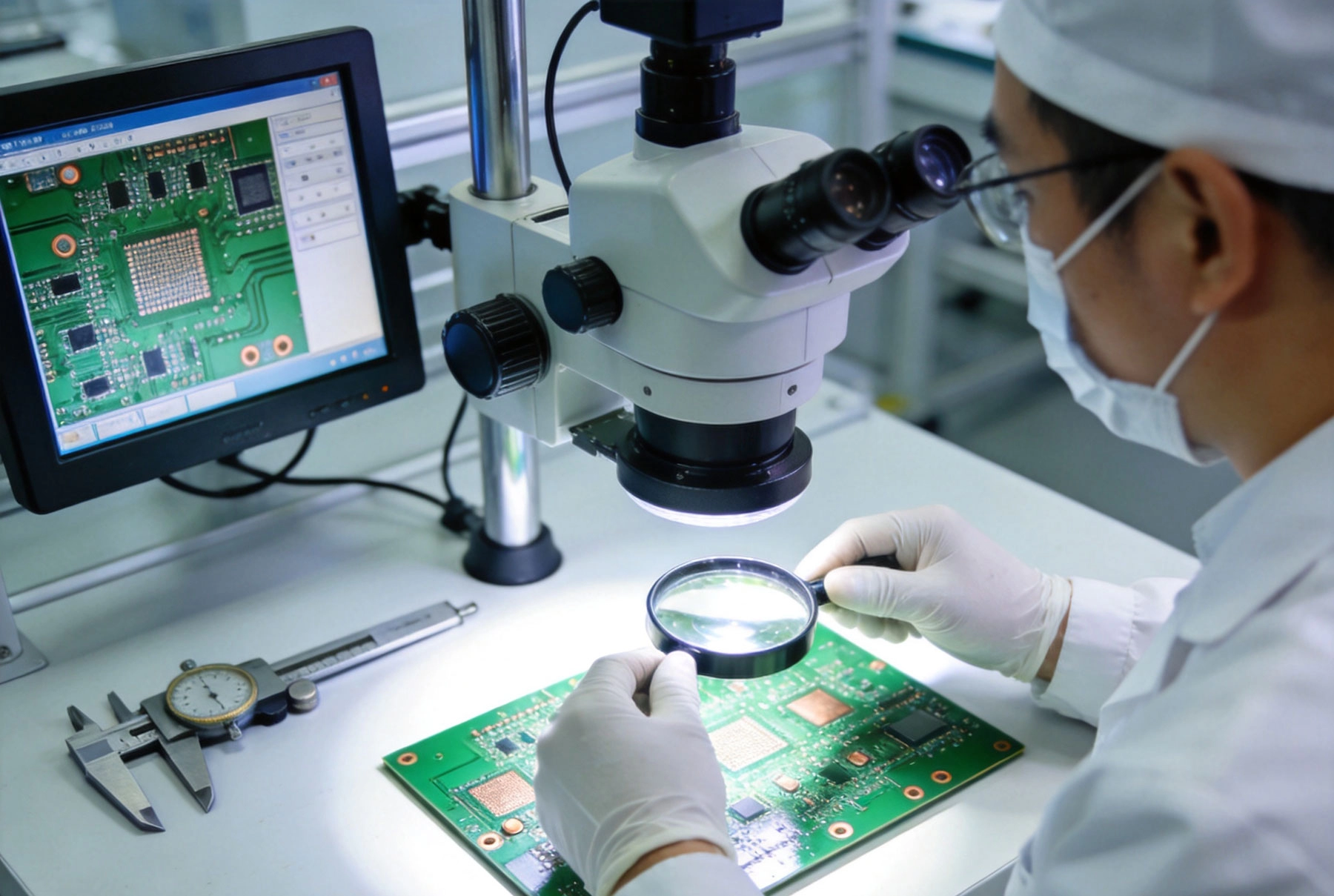
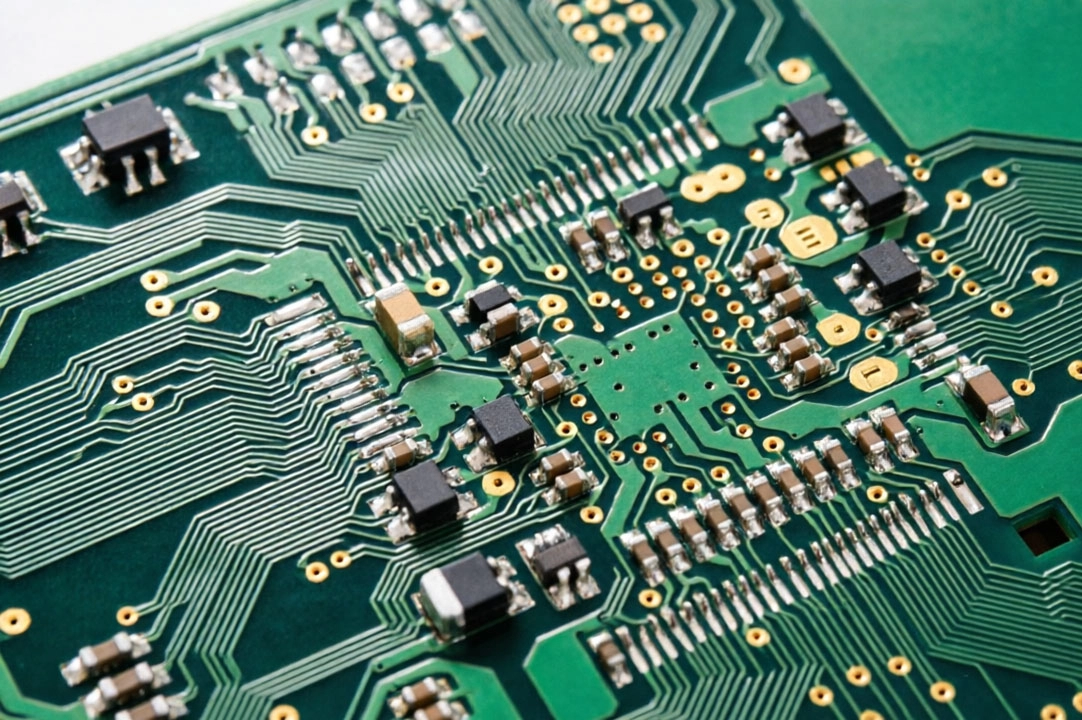
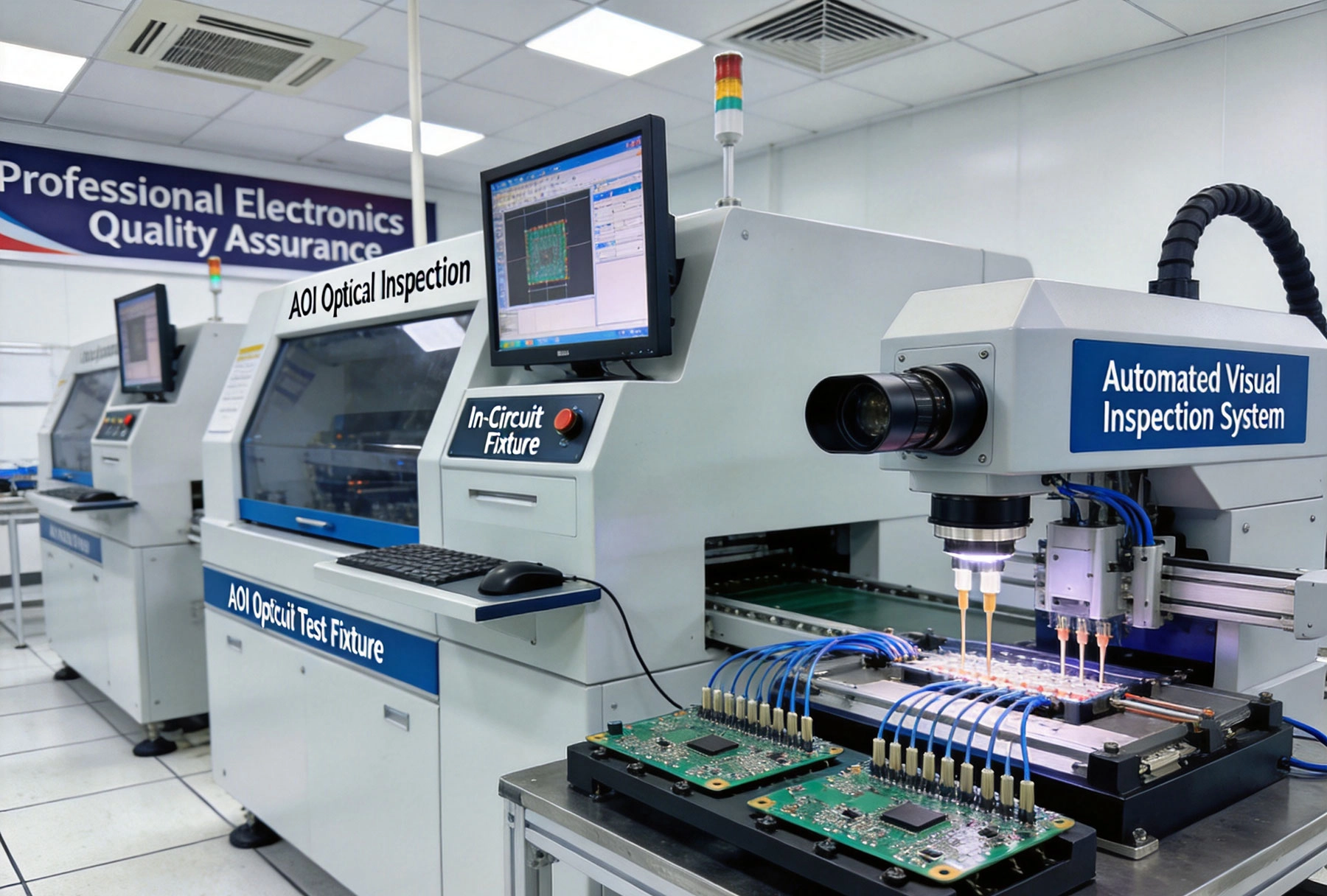
encompasses the rigorous validation processes essential for ensuring the durability and performance of electronics in harsh environments. A cornerstone of reliable industrial pcb manufacturing is the strict adherence to international standards, such as Ipc-a-600 for bare boards and IPC-A-610 for assemblies, which define acceptable criteria for different product classes. The quality assurance workflow integrates advanced inspection technologies, including Automated Optical Inspection (Aoi) and X-ray Inspection (AXI), to detect physical defects like solder bridging or voids.

Furthermore, comprehensive electrical validation is mandatory, utilizing In-Circuit Testing (Ict) to verify individual component parameters and Functional Circuit Testing (FCT) to simulate real-world operating conditions. These stringent testing protocols guarantee that industrial PCBs maintain exceptional electrical integrity and long-term operational stability, minimizing the risk of costly failures in critical automation and heavy machinery applications.


Send Message
Name*
E-mail*
Country*
Phone/WhatsApp*
Name*
E-mail*
Country*
Phone/WhatsApp*