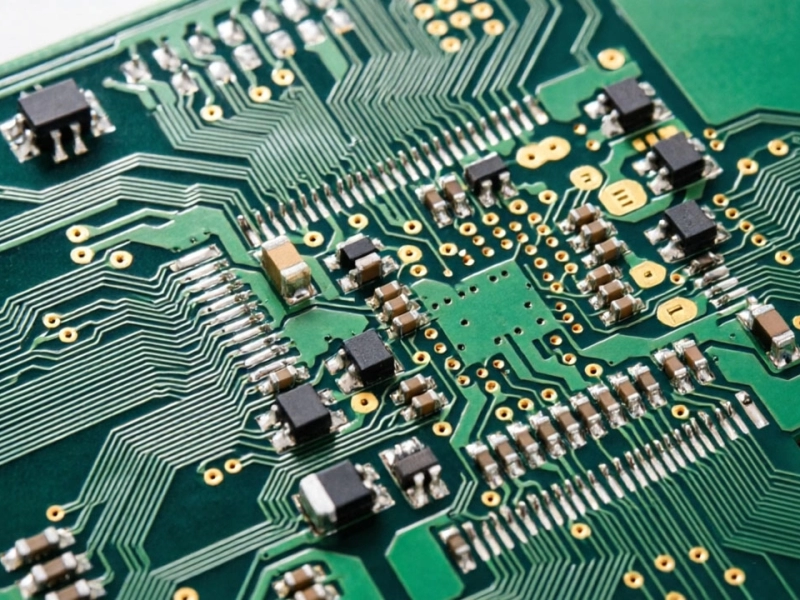
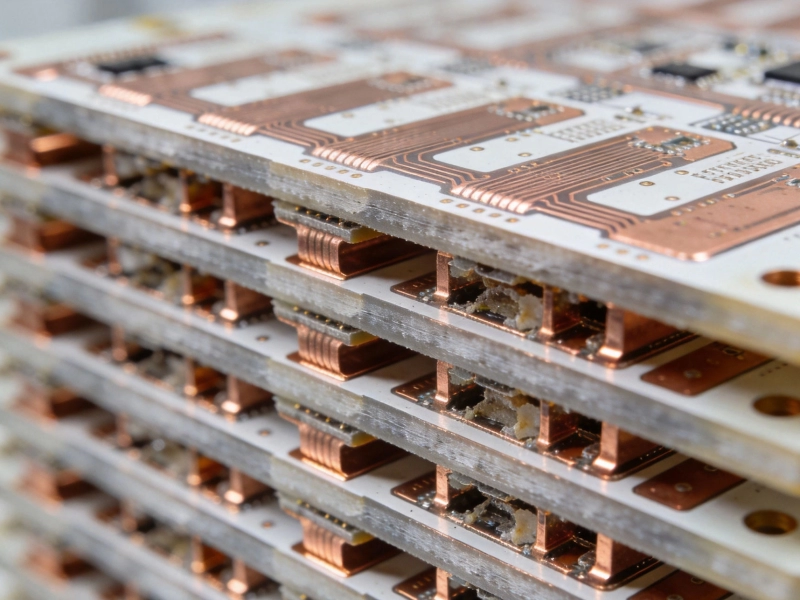
Industrial printed circuit boards form the backbone of critical systems across manufacturing, energy, healthcare, transportation, and aerospace sectors. Unlike consumer electronics, where occasional failures may only cause inconvenience, Industrial Pcb malfunctions can lead to costly production downtime, equipment damage, regulatory non-compliance, and even life-threatening safety incidents. Electrical testing is the most critical Quality Control step in industrial pcb manufacturing, serving as the final line of defense against defective products reaching the field. For industrial applications, skipping or cutting corners on electrical testing is never a cost-effective decision.

The Unique Reliability Demands of Industrial PCBs
Industrial PCBs operate under far more demanding conditions than consumer electronics, requiring exceptional reliability over extended lifespans. These unique demands make comprehensive electrical testing essential:
- Harsh Operating Environments: Industrial PCBs must withstand extreme temperatures, high humidity, constant vibration, exposure to dust and chemicals, and significant electromagnetic interference (EMI) that would quickly disable consumer-grade electronics.
- Long Service Life Requirements: Most industrial equipment is designed to operate for 10-15 years or more, compared to 1-3 years for typical consumer products. PCBs must maintain reliable performance throughout this entire lifecycle.
- High Cost of Failure: A single faulty PCB in an industrial setting can cause production line downtime costing tens of thousands of dollars per hour, damage to expensive equipment, or even safety hazards for workers. The cost of field failures is typically 50-100 times higher than the cost of catching the defect during manufacturing testing.
- Regulatory Compliance Requirements: Industrial equipment in regulated sectors (medical, aerospace, automotive, energy) must meet strict reliability and safety standards that mandate comprehensive electrical testing as part of the certification process.
Common Electrical Defects in Industrial PCB Manufacturing
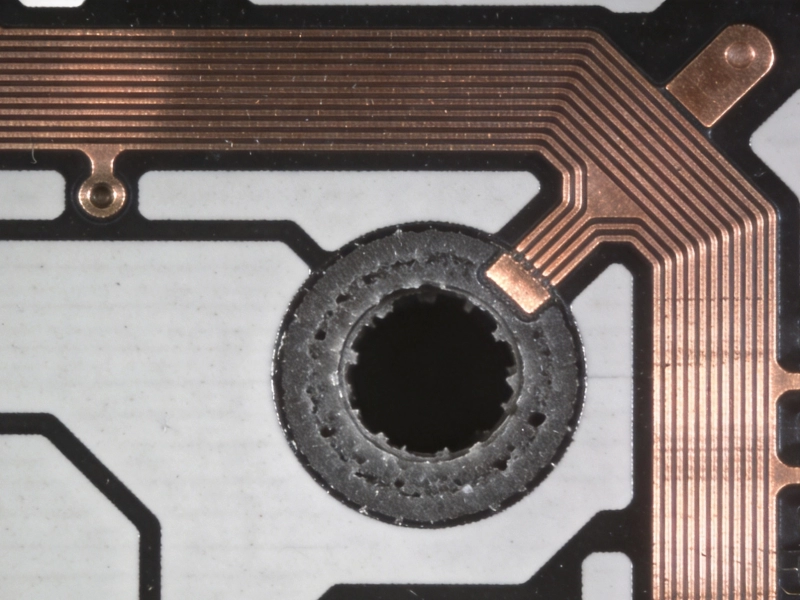
Even with the most advanced manufacturing processes, a small percentage of PCBs will have electrical defects that are invisible to visual inspection alone. These defects include:
- Opens and Shorts: Etching errors, solder bridges, broken traces, or poor plating can cause unintended open circuits or short circuits that prevent the board from functioning correctly.
- Component Defects: Incorrect component values, counterfeit components, damaged components, or solder joint failures (cold joints, head-in-pillow defects) can cause performance issues or complete failure.
- Impedance Mismatches: For high-speed and RF industrial applications, minor variations in trace impedance can cause Signal Integrity issues including data corruption, signal loss, or unreliable communication.
- Insulation Breakdown: In high-voltage industrial applications, insufficient insulation between high-voltage and low-voltage circuits can lead to dangerous leakage currents or catastrophic electrical breakdown.
- Power Delivery Issues: Excessive voltage drop, high ripple, or unstable power delivery can cause unpredictable performance, premature component failure, or system crashes under load.
- Timing and Synchronization Errors: In complex industrial control systems, minor timing errors can cause miscommunication between components, leading to incorrect operation of controlled machinery.
These defects often escape visual inspection and even basic Functional Testing, only appearing after the board has been deployed in the field and exposed to operational stresses. Comprehensive electrical testing is the only way to reliably catch these issues before delivery.
Key Electrical Testing Methods for Industrial PCBs
Modern industrial pcb manufacturing uses a combination of complementary electrical testing methods to ensure maximum defect coverage:
1. In-Circuit Testing (ICT)
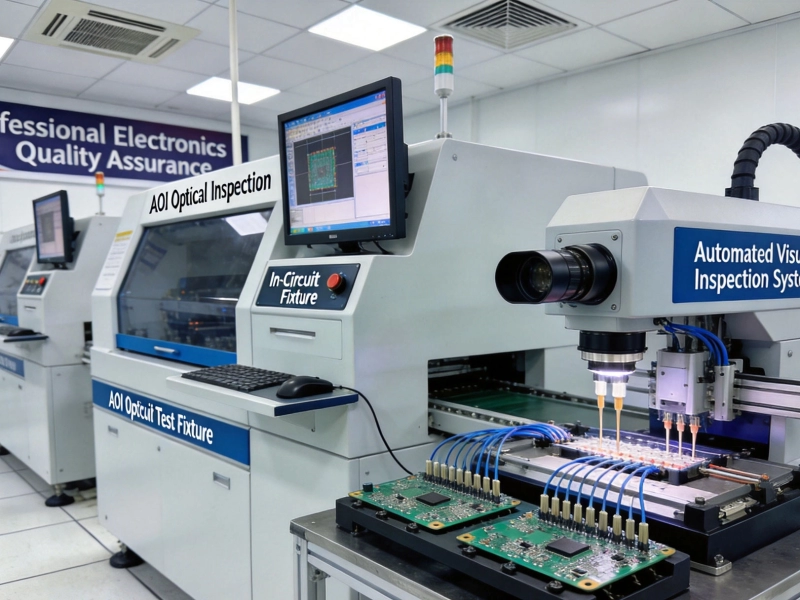
In-Circuit Testing uses a bed-of-nails fixture to make contact with Test Points on the PCB, allowing measurement of individual component values and verification of solder connections. Ict can:
- Detect opens, shorts, and incorrect component values with high accuracy
- Test up to 80% of board components in just a few minutes
- Identify specific defective components, simplifying rework
- Provide consistent, repeatable results ideal for high-volume production
Ict is particularly effective for high-volume
Industrial Pcb production where the upfront cost of fixture development is justified by production volume.
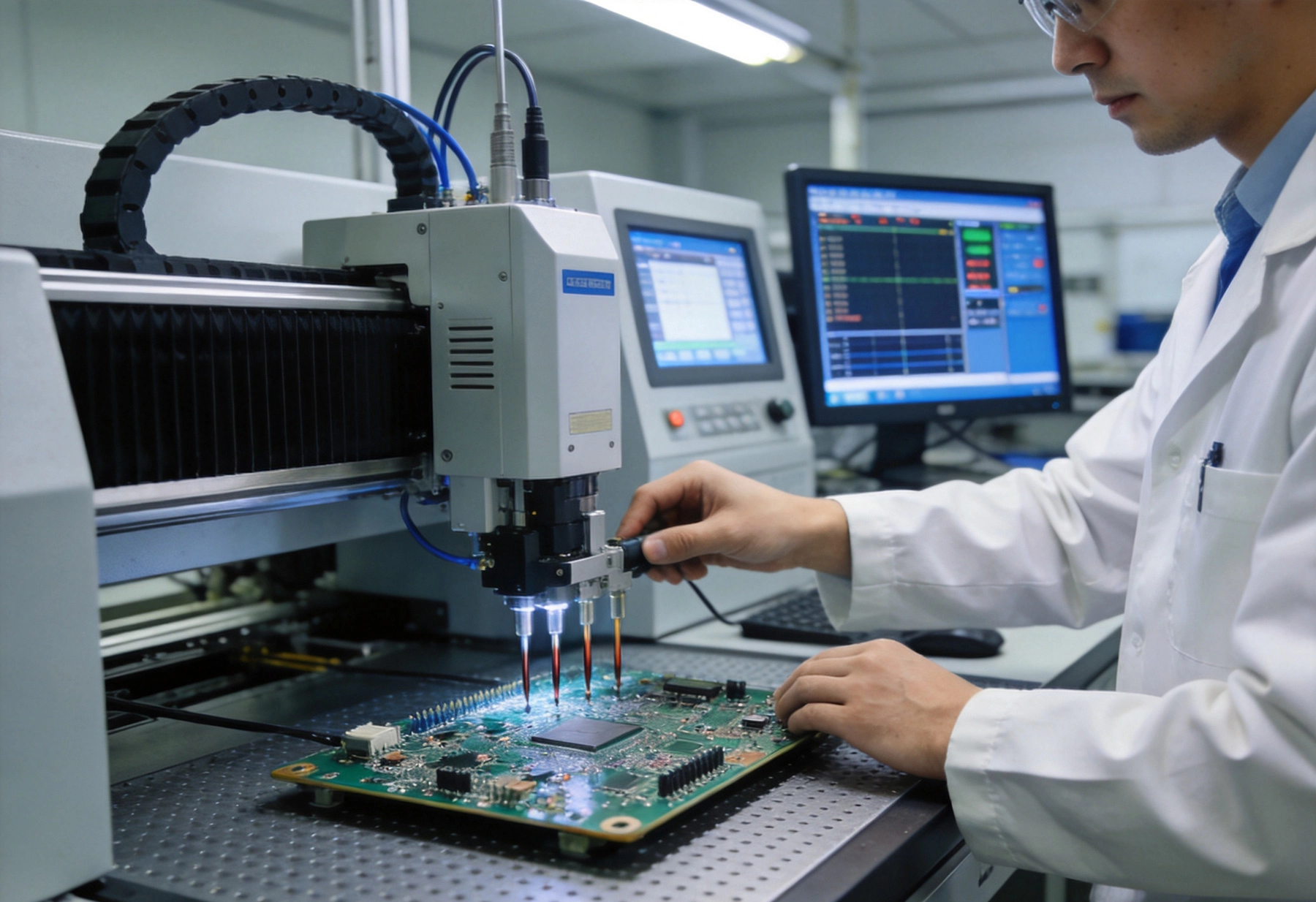
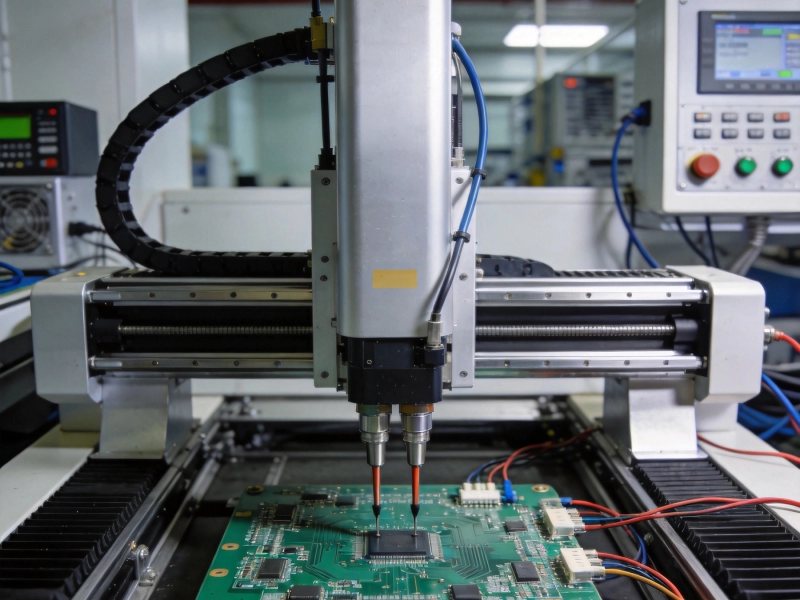
2. Flying Probe Testing
Flying Probe Testing uses movable test probes to contact Test Points on the PCB without requiring custom fixtures. This method is ideal for:
- Low-volume production and prototype industrial PCBs where fixture costs are not justified
- Complex, high-density boards with limited test point access
- Quick turnaround testing requirements
- Designs that undergo frequent revisions
While slower than ICT,
Flying Probe Testing offers excellent flexibility and coverage for low-to-medium volume industrial applications.
3. Functional Testing (FCT)
Functional Testing verifies that the PCB operates correctly under simulated real-world operating conditions. This test:
- Validates the entire functionality of the board, not just individual components
- Simulates actual load conditions, input signals, and environmental factors
- Catches system-level issues that component-level testing may miss
- Ensures the board meets all performance specifications outlined in the design requirements
For industrial applications, functional testing is often customized to the specific product requirements, including testing for performance under extreme temperature, voltage, and load conditions.
4. Specialized Testing for High-Risk Applications
Certain industrial applications require additional electrical testing to address specific risks:
- HIPOT (High Potential) Testing: Applies high voltage between circuits and ground to verify insulation integrity, critical for high-voltage industrial applications to prevent electric shock and fire hazards.
- Signal Integrity Testing: Measures impedance, eye diagrams, crosstalk, and signal timing for high-speed and RF industrial PCBs to ensure reliable data transmission.
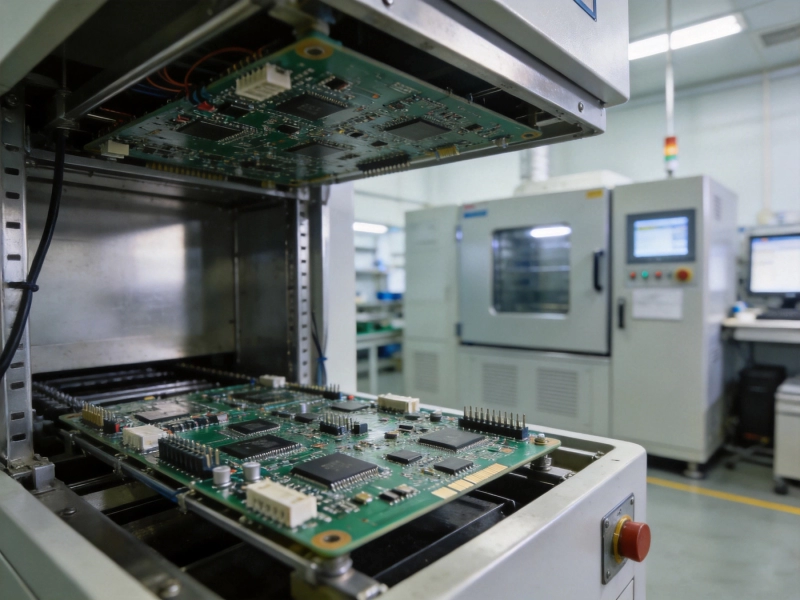
- Environmental Stress Screening (ESS): Combines electrical testing with temperature cycling and vibration to expose latent defects that would only appear after field operation, often referred to as "burn-in" testing.
- Insulation Resistance Testing: Measures the resistance between isolated circuits to ensure no unintended current leakage paths exist.
The Business Case for Electrical Testing
While electrical testing adds 2-5% to upfront manufacturing costs, it delivers significant return on investment for industrial applications:
- Reduced Warranty and Field Service Costs: Catching defects during manufacturing reduces field failures, warranty claims, and costly on-site service calls.
- Regulatory Compliance: Most industrial sectors require documented testing as part of product certification (UL, CE, IEC, ISO, etc.), making testing a mandatory requirement for market access.
- Brand Reputation Protection: Reliable products with low failure rates build customer trust and loyalty, while products with quality issues can damage brand reputation irreparably.
- Lower Total Cost of Ownership: The cost of testing is trivial compared to the cost of product recalls, liability claims, and lost business due to quality issues.
- Continuous Improvement: Testing data provides valuable insights into manufacturing process issues, allowing Continuous Improvement that reduces defect rates over time.
Common Myths About Electrical Testing
Many manufacturers attempt to reduce costs by cutting back on testing, based on common misconceptions:
- Myth: "Our manufacturing process is perfect, so we don't need testing." Even the most advanced manufacturing processes have defect rates of 0.1-1%. For a production run of 10,000 units, that means 10-100 defective boards reaching customers if left untested.
- Myth: "Testing is too expensive." As noted earlier, the cost of testing is a small fraction of the cost of field failures. A single field failure can cost more than testing an entire production run.
- Myth: "Sampling testing is sufficient for Quality Control." Sampling testing can identify systemic process issues, but it cannot guarantee that individual units are defect-free. For industrial applications requiring 100% reliability, 100% testing is mandatory.
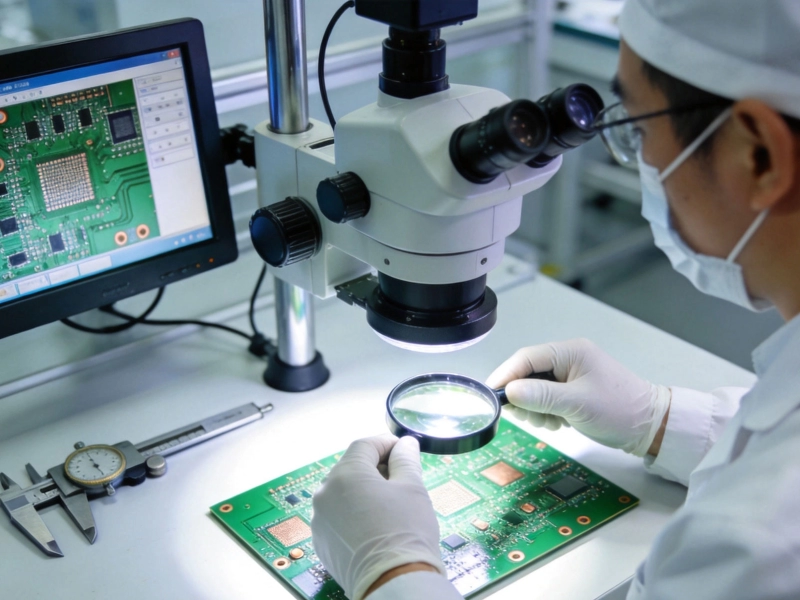
- Myth: "Visual inspection is enough." More than 70% of electrical defects are not visible to the naked eye, including hidden solder joint failures, internal component defects, and impedance mismatches.
Implementing an Effective Electrical Testing Strategy
To maximize the value of electrical testing for industrial PCBs:
- Design For Testability (Dft) from the earliest design stages, including adequate test points, Boundary Scan capabilities, and accessible test interfaces to improve test coverage and reduce testing costs.
- Tailor your testing strategy to the risk level of your application: high-risk applications (medical, aerospace, safety systems) require more comprehensive testing than low-risk industrial control applications.
- Work closely with your PCB assembly partner to develop a customized test plan that addresses your specific product requirements and operating conditions.
- Implement automated testing for high-volume production to ensure consistency and reduce test time.
- Maintain detailed records of all testing results for compliance purposes and continuous process improvement.
Conclusion
Electrical testing is not an optional expense for industrial PCBs—it is an essential investment in product reliability, safety, and long-term business success. The demanding operating conditions, long service life requirements, and high cost of failure in industrial applications make rigorous electrical testing non-negotiable. By implementing a comprehensive testing strategy tailored to your specific application requirements, you can ensure your industrial PCBs deliver the reliable performance your customers depend on, while reducing total costs and protecting your brand reputation over the product lifecycle.
Contact us to discuss your requirements.