Open Nav


Have you ever wondered what happens after the bare circuit board is fully populated with components? In the world of Electronics Manufacturing, getting the board right is only half the battle. The real challenge often lies in the final integration. This is where Industrial Pcba meets the intricate process of Box Build Assembly. For engineers and project managers, navigating this phase can feel like walking through a minefield. A single misstep in mechanical integration or final testing can ruin months of R&D. In this article, we will break down the hidden complexities of Box Build Assembly, share some hard-earned lessons from the factory floor, and give you a practical roadmap to ensure your product actually survives the real world.
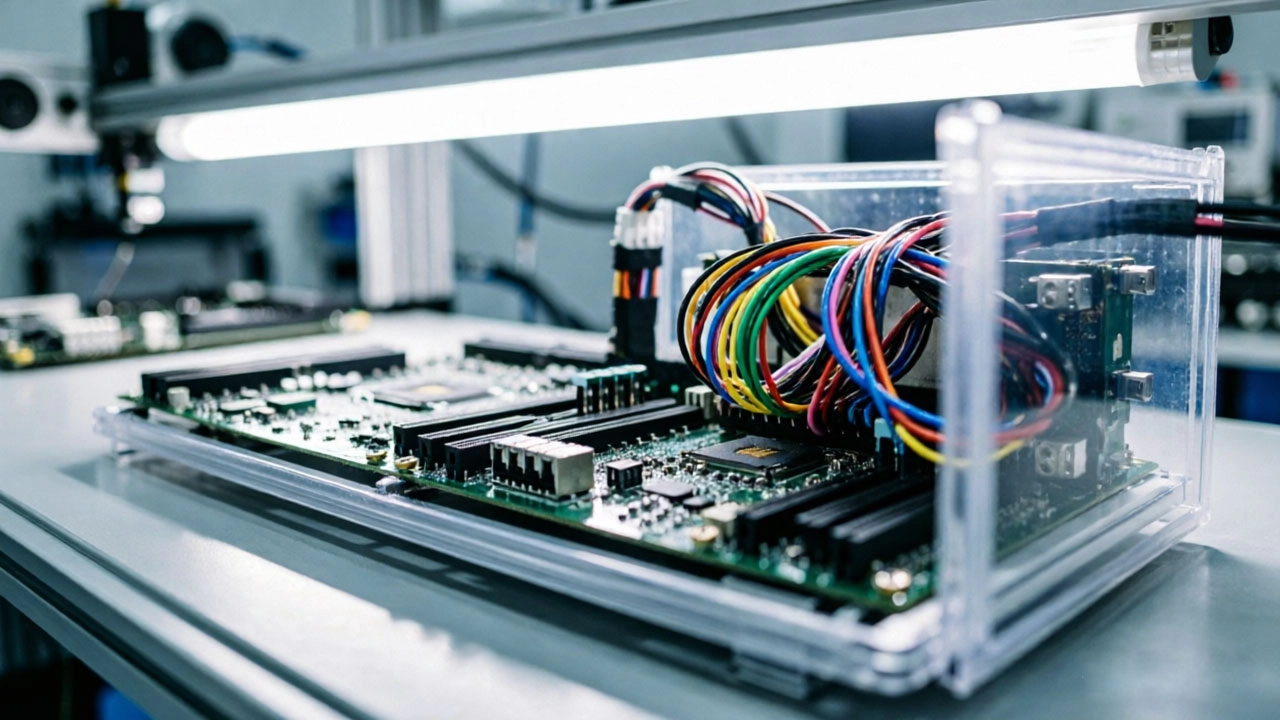
Many people assume that box build assembly is simply taking a finished board and screwing it into a plastic or metal enclosure. If only it were that easy! In industrial environments, the enclosure is not just a cosmetic shell; it is a critical part of the electrical and thermal system. When dealing with Industrial Pcba, you have to consider Thermal Management, electromagnetic interference (EMI), and mechanical stress. I remember a project a few years back where we had a perfectly working board that kept overheating once we put it in the final enclosure. The airflow design was completely ignored during the Pcb Layout phase. We had to redesign the internal mounting brackets and add thermal pads just to pass our temperature tests. This taught us that mechanical and electrical designs must be done concurrently, not sequentially.
Let’s be honest, cable management in industrial box builds is often an afterthought, and it usually bites you in the end. Unlike consumer electronics, industrial equipment often requires heavy-gauge power cables, sensitive signal wires, and rugged external connectors all crammed into a tight space. If you don't plan the routing carefully, you will end up with a messy "spaghetti" interior that is impossible to service. One practical tip I always give to my team is to create 3D CAD models of the cable harnesses early in the design phase. Also, always leave extra slack for maintenance, but secure it properly so it doesn't vibrate against sharp edges. A good rule of thumb is to design the internal layout so that a technician with large hands can actually reach the connectors without needing tweezers.
You cannot just plug in an industrial device and hope for the best. The testing phase in Industrial PCBA box builds requires simulating the harshest possible environments. Functional testing (FCT) is mandatory, but you also need to think about Environmental Stress Screening. We usually run high-low temperature cycling tests to make sure the solder joints and connectors don't fail due to thermal expansion mismatches between the PCB and the enclosure. Vibration testing is another big one. I've seen perfectly good boards fail because a heavy transformer was mounted too close to the edge of the board, and the constant machine vibration caused a solder joint to crack over time. Always validate your mechanical mounting points with real-world vibration data.
Building a complex box build requires a massive amount of coordination. You are not just managing PCB components; you are managing enclosures, custom cables, labels, adhesives, and packaging materials. Missing one tiny custom screw can delay an entire shipment. To avoid this, we always implement strict BOM (Bill of Materials) consolidation and work closely with suppliers who understand industrial timelines. Documentation is equally critical. The assembly work instructions must be idiot-proof. Include high-resolution photos, torque specifications for every screw, and clear warnings about ESD protection. When operators have clear, visual guides, the first-pass yield goes up significantly, and rework costs drop.
Navigating the complexities of box build assembly requires a holistic approach. You must treat the mechanical enclosure, the wiring harness, and the Industrial PCBA as a single, unified system rather than separate parts. Start your mechanical and electrical integration early, plan your cable routing with serviceability in mind, and never underestimate the importance of rigorous Environmental Testing. By focusing on these areas, you will save yourself countless hours of debugging and ensure your product is truly ready for the industrial market.
Q: What is the most common mistake in box build assembly?
A: The most common mistake is treating the enclosure design as an afterthought. Failing to account for thermal dissipation and cable routing space during the initial Pcb Design phase leads to costly rework and delayed time-to-market.
Q: How do I ensure my Industrial PCBA survives harsh environments?
A: You need to implement comprehensive Environmental Testing, including Thermal Cycling, vibration, and humidity tests. Additionally, using conformal coatings and proper potting compounds can protect the board from moisture and dust.
Q: Why is documentation so important in box builds?
A: Box builds involve many manual assembly steps. Detailed, visual work instructions reduce human error, ensure consistency across different production batches, and make troubleshooting much easier if a defect occurs.
X-Ray Inspection: Why It's Vital for Complex Industrial PCBA ProjectsSeptember/26/2026
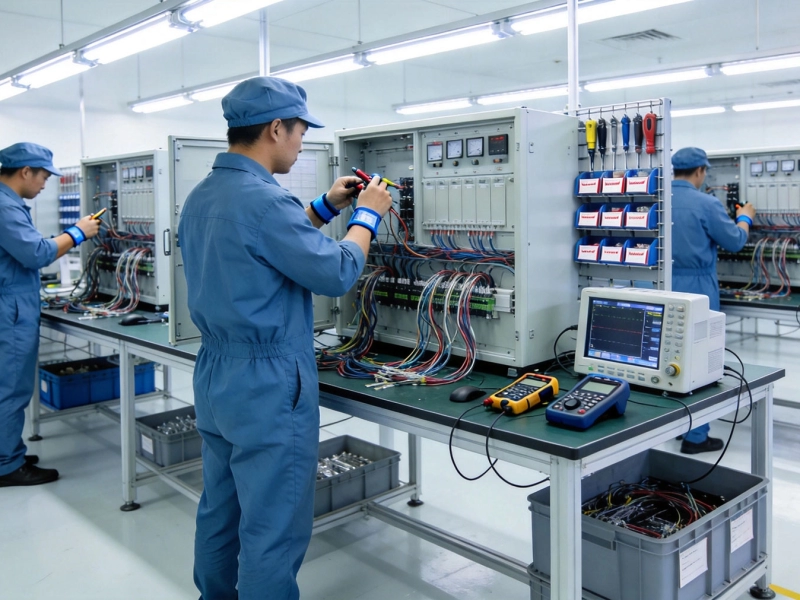
Navigating the Complexities of Box Build AssemblyMay/27/2026
Manufacturing Processes for Extreme Heavy Copper Industrial PCBsAugust/15/2026
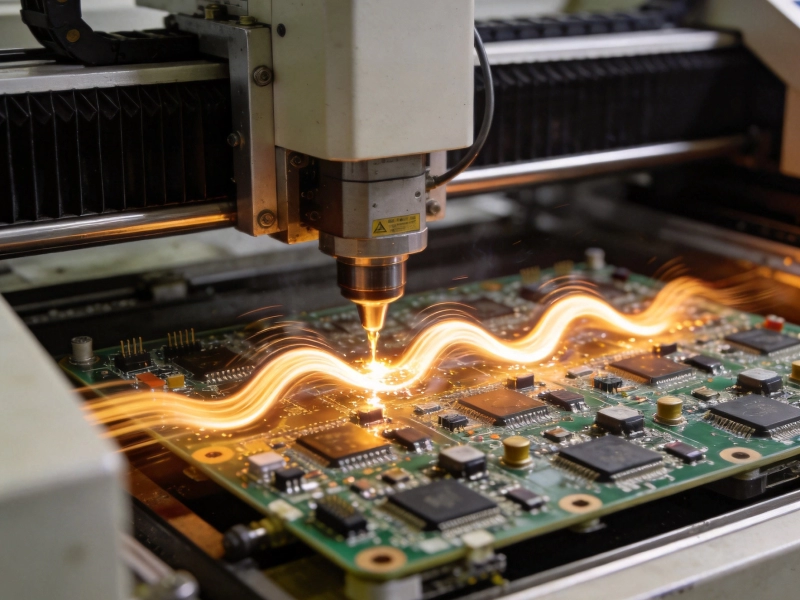
Selective Soldering Techniques for Mixed-Technology Industrial PCBA<September/09/2026
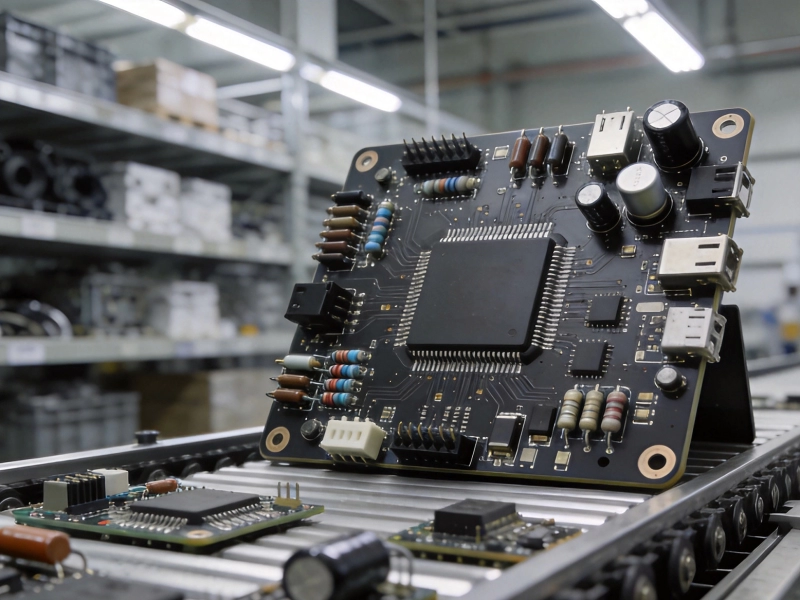
The Importance of Component Obsolescence Management in Industrial PCBAAugust/07/2026
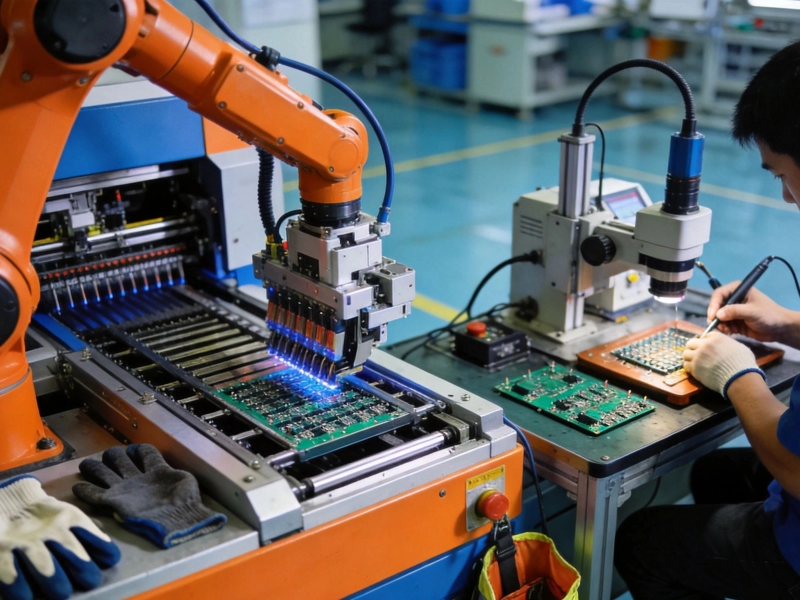
SMT vs. Through-Hole: Best Practices for Industrial PCBAJuly/07/2026
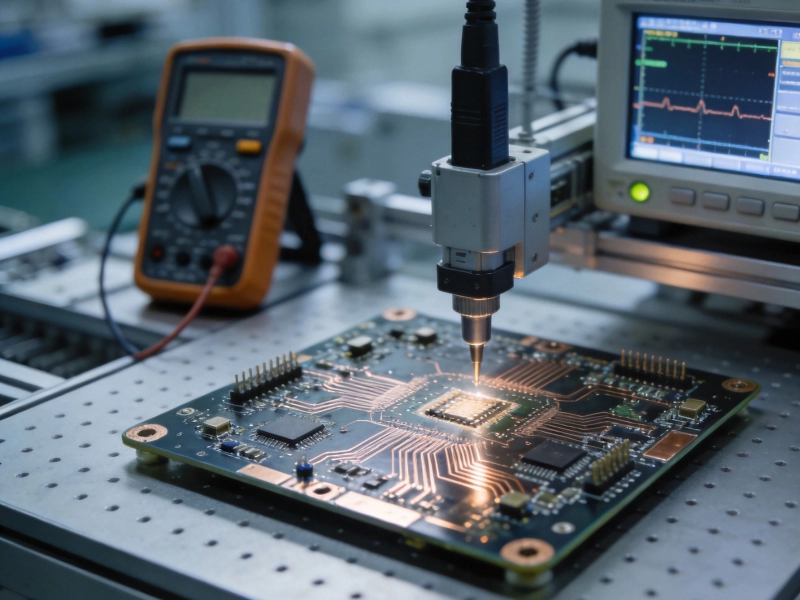
How to Ensure Quality Control in High-Mix Low-Volume Industrial PCBAJuly/21/2026
Understanding CTE and Its Impact on Industrial PCB Materials SelectionJuly/18/2026