Open Nav


The medical device industry operates under demands that set it apart from virtually every other Electronics Manufacturing sector. When your products diagnose patients, monitor vital signs, or deliver therapeutic treatments, the printed circuit boards inside those devices carry responsibilities that extend far beyond simple electrical connectivity. A single PCB failure can compromise diagnostic accuracy, interrupt life-sustaining therapies, or create safety hazards that threaten patient wellbeing. This reality has driven the emergence of specialized Industrial Pcb solutions designed specifically for medical device manufacturers.
Tailored Industrial Pcb solutions for medical device manufacturers go far beyond simply producing boards that meet basic electrical requirements. These solutions encompass every aspect of Material Selection, manufacturing process control, compliance documentation, and ongoing support that medical device companies require to bring safe, effective products to market. Understanding what differentiates these specialized solutions from standard Pcb Manufacturing—and how to evaluate potential manufacturing partners—represents essential knowledge for anyone involved in medical device development.
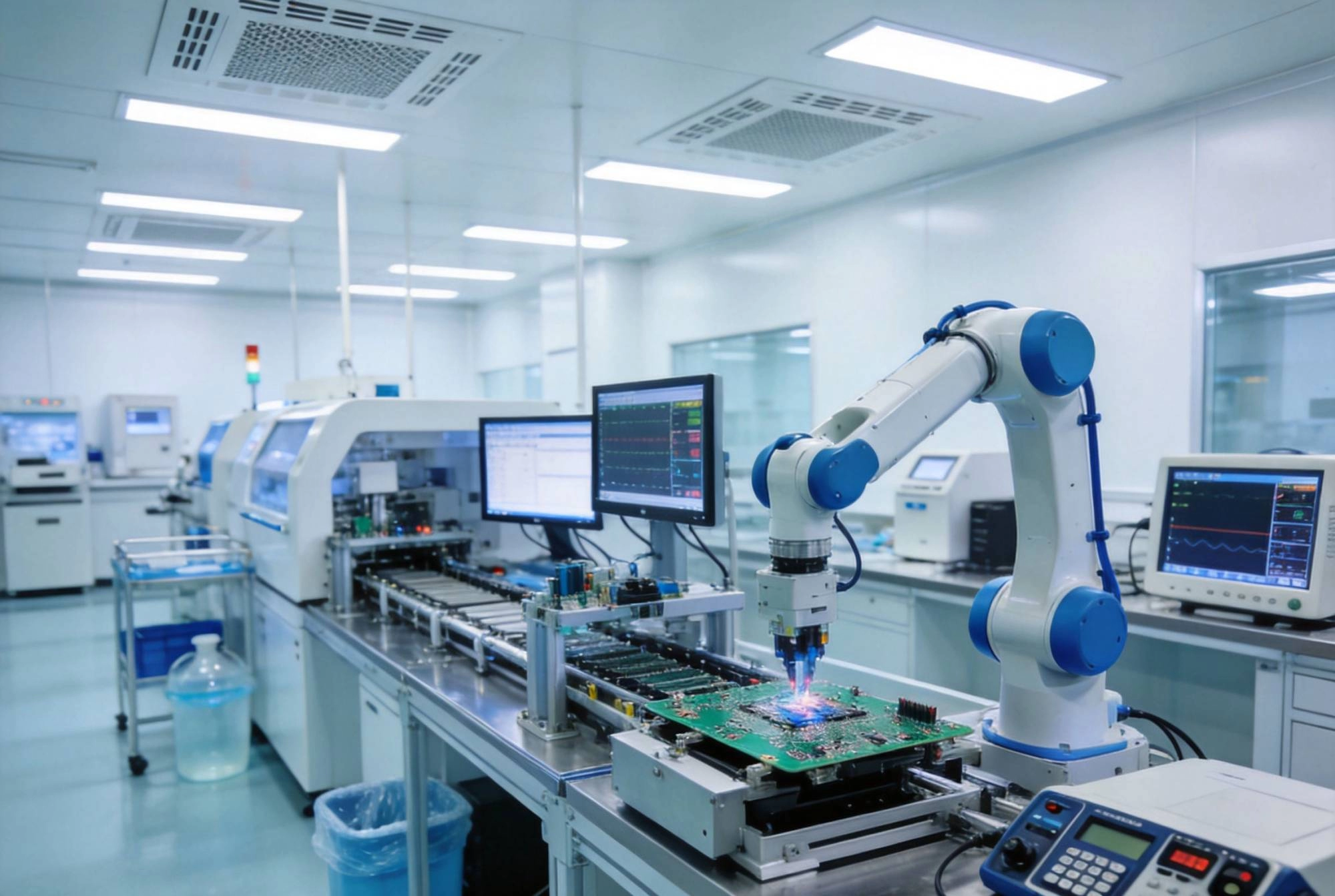
Medical devices operate in environments and under conditions that create unique challenges for Electronics Manufacturing. The consequences of failure extend beyond commercial considerations into domains where human health and safety remain paramount concerns. These realities shape every aspect of how medical PCBs must be designed, manufactured, tested, and documented.
Consider the range of applications where PCBs serve critical functions: cardiac monitors that track heart rhythms and alert clinicians to dangerous arrhythmias, infusion pumps that deliver precise medication dosages over extended periods, imaging systems that generate diagnostic images relied upon for treatment decisions, and implantable devices that provide ongoing therapy for chronic conditions. In each of these applications, Pcb Reliability directly impacts patient outcomes.
The tolerance for failure in medical devices approaches zero for the most critical applications. Unlike consumer electronics, where a malfunction might cause inconvenience or require device replacement, medical device failures may result in delayed treatment, incorrect diagnoses, or direct patient harm. This fundamental difference shapes the entire approach to medical Pcb Manufacturing.
Medical environments present harsh conditions that standard PCBs may not withstand:
PCBs intended for these demanding environments require careful Material Selection and specialized coatings to ensure long-term reliability despite continuous environmental stress.
Medical devices face regulatory scrutiny from multiple directions, with PCB manufacturing representing one critical component within larger compliance requirements. Understanding these regulatory frameworks helps manufacturers appreciate what their PCB partners must deliver.
ISO 13485 represents the foundational quality management standard for medical device manufacturers worldwide. This standard establishes requirements for a comprehensive Quality Management System that addresses:
For PCB manufacturers serving medical device clients, demonstrating ISO 13485 compliance provides assurance that their quality systems can integrate seamlessly with their customers' regulatory frameworks. This certification requires substantial investment in documentation, process control, and ongoing auditing that smaller manufacturers may not undertake.
IEC 60601 establishes the essential safety and performance requirements for medical electrical equipment. This comprehensive standard addresses:
Pcb Design choices directly impact compliance with IEC 60601 requirements. Creepage distances, clearance specifications, insulation materials, and component selection all fall within the standard's scope. Manufacturing partners must understand these requirements and implement processes that consistently produce boards meeting these specifications.
Medical devices sold in the United States must comply with FDA Quality System Regulation (21 CFR Part 820), which aligns closely with ISO 13485 but includes specific documentation and process requirements. Similar frameworks exist in other major markets, including:
Medical device manufacturers seeking regulatory approval must demonstrate that every component—including PCBs—meets applicable requirements. PCB manufacturing partners capable of providing comprehensive compliance documentation significantly streamline the regulatory submission process.
The materials comprising medical PCBs must satisfy requirements far beyond those applicable to standard commercial electronics. Biocompatibility, long-term stability, and specific performance characteristics drive material selection decisions.
Medical PCB base materials typically exceed standard FR-4 specifications in several key areas:
For applications requiring superior thermal performance, polyimide substrates provide extended temperature range capability. Ceramic-filled laminates offer excellent dimensional stability and Thermal Conductivity for high-power medical applications.
Medical devices that contact patient tissue or fluids—whether through skin contact, surgical implantation, or integration with bodily systems—must employ materials that do not elicit adverse biological responses. The ISO 10993 series of standards establishes biocompatibility evaluation requirements that may apply to Pcb Materials:
Manufacturing partners with experience in biocompatible PCB production understand which materials carry appropriate certifications and how to document compliance for regulatory submissions.
Different medical applications present unique material requirements:
Medical PCB manufacturing demands process controls that exceed those applied to standard commercial production. These enhanced requirements address both reliability and the documentation necessary for regulatory compliance.
Manufacturing environments for medical PCBs must minimize contamination that could compromise reliability:
These controlled environments add cost to manufacturing operations, but represent essential investments for medical PCB production.
Manufacturing processes for medical PCBs incorporate additional controls beyond standard production:
Documentation of these controls forms part of the compliance evidence package required for regulatory submissions.
Surface finish choices for medical PCBs prioritize reliability and biocompatibility over cost optimization:
Surface finishes must be compatible with subsequent assembly processes and end-use environment requirements.
Medical Pcb Testing extends far beyond basic electrical verification to encompass reliability assessment and environmental fitness testing.
Medical devices must function reliably despite environmental challenges:
Beyond standard Environmental Testing, medical PCBs may require:
Medical quality systems require comprehensive documentation:
These records must be retained for periods specified by applicable regulations—often the expected lifetime of the medical device plus additional years.
Successful medical PCB implementations begin with design practices that address the unique challenges of healthcare applications.
Diagnostic medical devices often process extremely low-level signals where noise can obscure clinically significant information:
Medical devices must operate without causing or suffering from electromagnetic interference:
Reliable power delivery underpins medical device performance:
Choosing the right PCB manufacturing partner for medical device applications requires evaluation across multiple dimensions.
Essential certifications that medical PCB manufacturers should hold:
Request copies of certificates and verify their current status through the certifying organizations.
Technical capabilities that medical PCB manufacturers must demonstrate:
Assess the manufacturer's quality system maturity:
Experience in medical device manufacturing provides valuable assurance:
Medical device manufacturers benefit significantly from partnerships with PCB specialists focused on healthcare applications.
Manufacturing partners with established medical quality systems provide:
Specialized manufacturing translates to improved product performance:
Early engagement with qualified manufacturing partners accelerates development:
Medical device manufacturing presents challenges that standard PCB production cannot adequately address. From stringent regulatory requirements to demanding environmental conditions and the paramount importance of patient safety, healthcare electronics demand specialized solutions tailored to the unique needs of this critical industry.
Tailored Industrial Pcb solutions for medical device manufacturers encompass everything from material selection and process design through comprehensive testing and complete documentation packages. The investment required to establish and maintain medical-grade Pcb Manufacturing Capabilities represents a substantial commitment that separates qualified manufacturers from those offering only standard commercial production.
When evaluating potential manufacturing partners, medical device companies should verify appropriate certifications, assess technical capabilities against application requirements, evaluate quality system maturity, and examine demonstrated experience in healthcare applications. The right partnership provides benefits that extend far beyond simple supply chain convenience—enabling regulatory compliance, enhancing product reliability, and supporting the ultimate mission of improving patient outcomes through safe, effective medical technology.
The stakes involved in medical device manufacturing demand nothing less than excellence from every component, including the printed circuit boards that form the electronic foundation of modern healthcare technology. Choosing manufacturing partners committed to this level of excellence represents one of the most consequential decisions medical device companies make as they develop products intended to diagnose, treat, and improve the lives of patients around the world.

How to Find the Right Partner for Your Custom Industrial PCB SolutionsJuly/24/2026
Designing High-Frequency PCBs for Industrial 5G and IoT ApplicationsJune/26/2026
Rogers vs. PTFE: Comparing Materials for High-Frequency SolutionsSeptember/17/2026
Stack-up Design Strategies for High-Layer Count Industrial PCBsOctober/09/2026
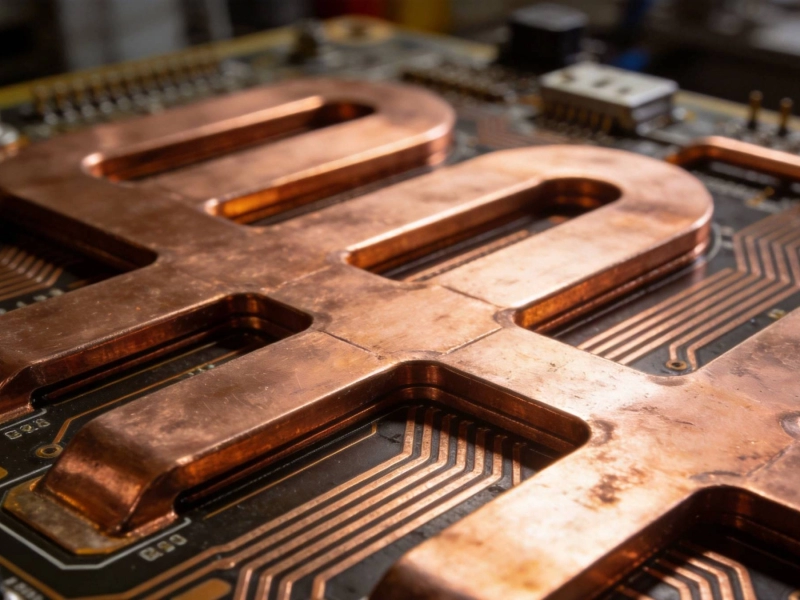
Heavy Copper PCBs: The Solution for High-Current Industrial ApplicationsJune/18/2026

Innovative Industrial PCB Solutions for Renewable Energy SystemsAugust/10/2026
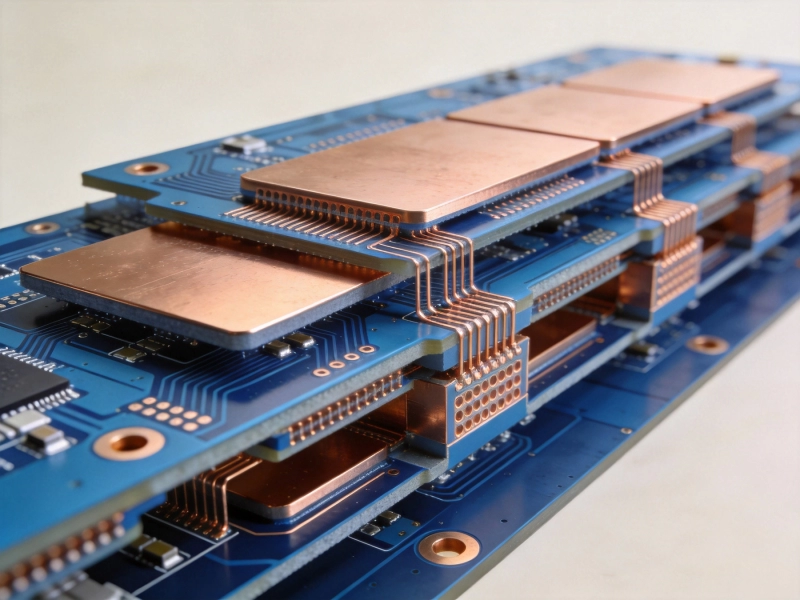
Signal Integrity Benefits of High-Layer Count and HDI SolutionsAugust/12/2026
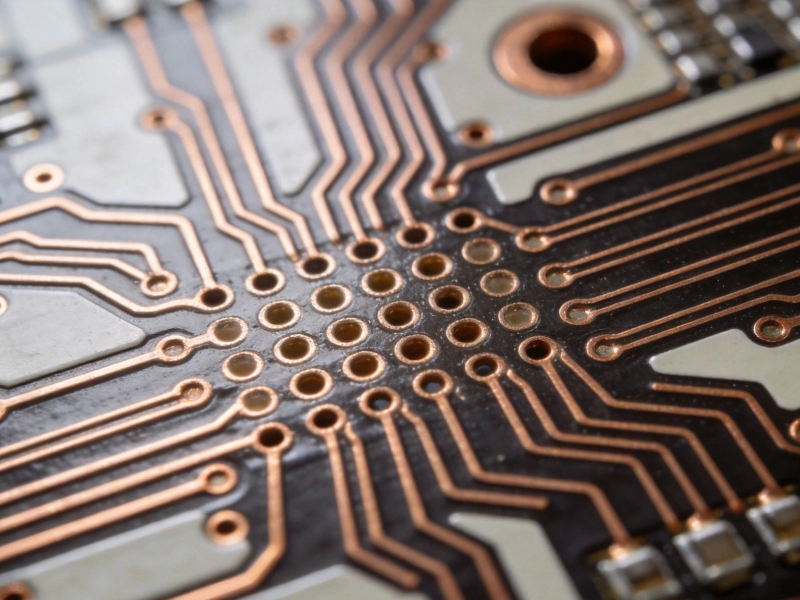
An Introduction to HDI Technology for Compact Industrial ElectronicsJune/16/2026