Open Nav


Modern Industrial Electronics demand more than simple PCB fabrication. Products operate in demanding environments, require proven reliability, and face constant pressure to reach market faster. Managing multiple vendors across the design, fabrication, assembly, and test phases creates complexity that distracts from core product development.
End-to-end Industrial Pcb solutions consolidate these capabilities under one partner. From initial design consultation through finished product delivery, a single source handles engineering, manufacturing, quality verification, and logistics. This integrated approach simplifies supply chains, accelerates timelines, and creates accountability that scattered vendor relationships cannot match.
This article explores what true end-to-end Industrial Pcb solutions encompass, the benefits they deliver, and what to consider when selecting a partner for your Electronics Manufacturing needs.
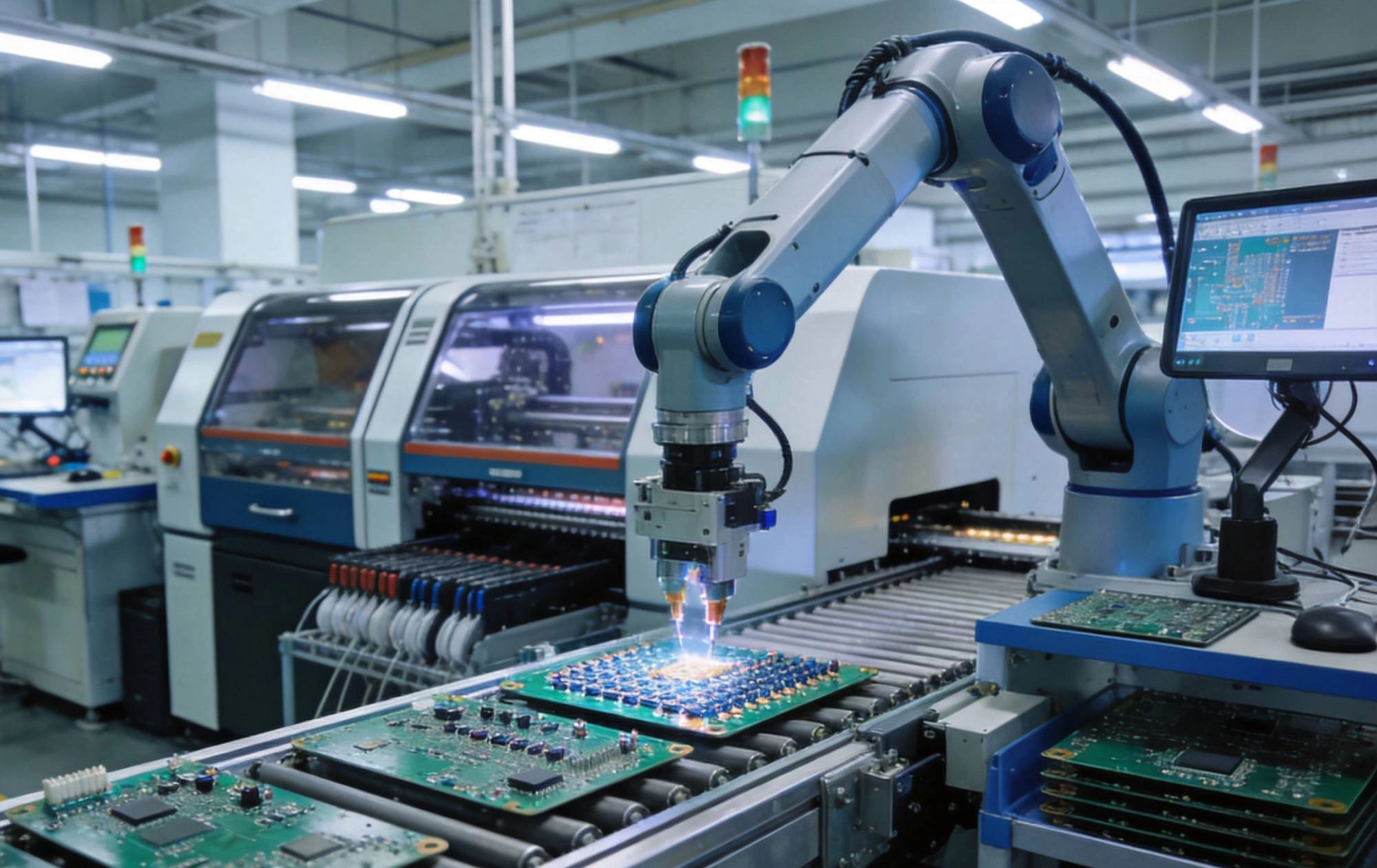
The phrase "end-to-end" appears frequently in manufacturing discussions, but its meaning varies widely. True end-to-end Industrial Pcb Solutions cover the complete product lifecycle, from concept through ongoing production.
A comprehensive solution includes:
True end-to-end service extends beyond manufacturing into value-adding activities:
Consolidating Pcb Manufacturing under one partner delivers tangible benefits across multiple dimensions.
Managing multiple vendors creates overhead that scales with complexity:
Single-source relationships collapse this complexity into one manageable partnership. One contract, one relationship, one point of accountability.
Sequential handoffs between vendors consume time. Design goes to fabrication, then to assembly, then to test. Each transition involves documentation transfer, quality acceptance, and potential rework.
Integrated operations eliminate these transitions. Design files move directly from engineering review to production. Quality issues resolve immediately because one team owns the entire process. Prototype iterations cycle faster when one partner handles every step.
When one team manufactures your boards from bare substrate through finished assembly, quality becomes a shared responsibility. Problems don't disappear into vendor disputes or get blamed on "the upstream process."
Integrated quality management means:
While single-source relationships don't always offer the lowest unit price, total cost of ownership often decreases:
End-to-end solutions begin before manufacturing starts. Early engineering collaboration prevents costly problems later.
DFM review during design phase catches producibility issues before they become production problems:
Engineering support for technical decisions:
Design decisions lock in cost structure for production. Early collaboration identifies opportunities to reduce cost without compromising function:
New product introduction represents a critical phase where timelines and learning curves directly impact commercialization success.
Fast prototype turns validate designs quickly:
Beyond simply building boards, comprehensive NPI services include:
Product development rarely follows a straight line. Effective NPI services accommodate:
Transitioning from prototype to production tests manufacturing scalability and consistency.
Volume manufacturing requires adequate capacity:
Moving from prototype to production should not change product characteristics:
Anticipating growth helps avoid production bottlenecks:
For turnkey assembly, component sourcing directly impacts cost, quality, and delivery reliability.
Comprehensive component services include:
Effective inventory management balances availability against carrying costs:
Bill of materials review identifies opportunities:
Industrial Electronics demand rigorous quality systems. End-to-end partners must match quality infrastructure to application requirements.
Certification requirements vary by application:
Comprehensive testing verifies product quality:
Industrial applications require documentation:
Beyond individual PCBs, many products require higher-level assembly.
Box build services extend testing to complete systems:
Manufacturing excellence means little if products don't reach customers reliably.
Modern fulfillment options include:
Meeting customer delivery expectations:
End-to-end relationships should extend beyond individual orders. Look for partners positioned for long-term collaboration.
True partnerships align interests:
Ongoing value creation:
Protecting your supply chain:
Selecting the right partner requires systematic evaluation across multiple dimensions.
Technical Capabilities
Capacity and Scale
Experience and Track Record
End-to-end Industrial Pcb Solutions simplify Electronics Manufacturing by consolidating capabilities that would otherwise require managing multiple vendor relationships. The benefits—simplified supply chains, accelerated timelines, improved quality, and reduced total cost—make integration attractive for companies focused on their core product development.
Success with end-to-end solutions requires finding a partner whose capabilities, quality systems, and culture align with your needs. The relationship extends beyond transactional orders into strategic partnership that supports your product roadmap for years.
When evaluating partners, look beyond surface capabilities to assess depth of experience, commitment to quality, and genuine interest in your success. The right end-to-end partner becomes an extension of your organization, contributing engineering expertise, manufacturing excellence, and operational reliability throughout your product lifecycle.
Whether you're launching a new product, optimizing an established program, or seeking to simplify your manufacturing supply chain, end-to-end industrial PCB solutions offer a path to greater efficiency and competitiveness.
True end-to-end solutions cover design support, prototype manufacturing, volume production, component procurement, PCB assembly, testing and inspection, box build services, and logistics fulfillment. The scope should encompass everything from initial concept through finished product delivery.
By eliminating handoffs between vendors, end-to-end solutions compress timelines that would otherwise be lost to documentation transfer, quality acceptance, and scheduling coordination. One partner owns the entire process, enabling immediate issue resolution and parallel rather than sequential activities.
Unit pricing may or may not be lowest with integrated services, depending on the specific capabilities and market positioning. However, total cost of ownership typically decreases when accounting for reduced administrative overhead, lower inventory carrying costs, decreased quality and delivery risk, and eliminated vendor management effort.
Certification requirements depend on your application. At minimum, look for ISO 9001. Automotive applications require Iatf 16949, aerospace needs AS9100, and medical devices typically require ISO 13485. The appropriate certification depends on your specific industry and product requirements.
Transition requires careful planning: design file transfer and verification, process qualification runs, approval testing, and production validation. Quality transitions typically run 4-8 weeks depending on complexity. Look for partners with documented transition processes that minimize disruption to your supply.

Designing High-Frequency PCBs for Industrial 5G and IoT ApplicationsJune/26/2026
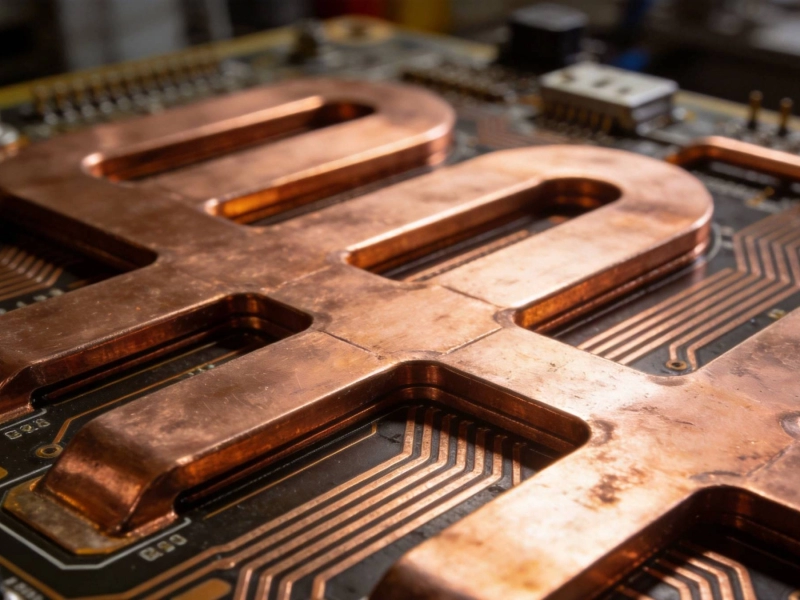
Heavy Copper PCBs: The Solution for High-Current Industrial ApplicationsJune/18/2026
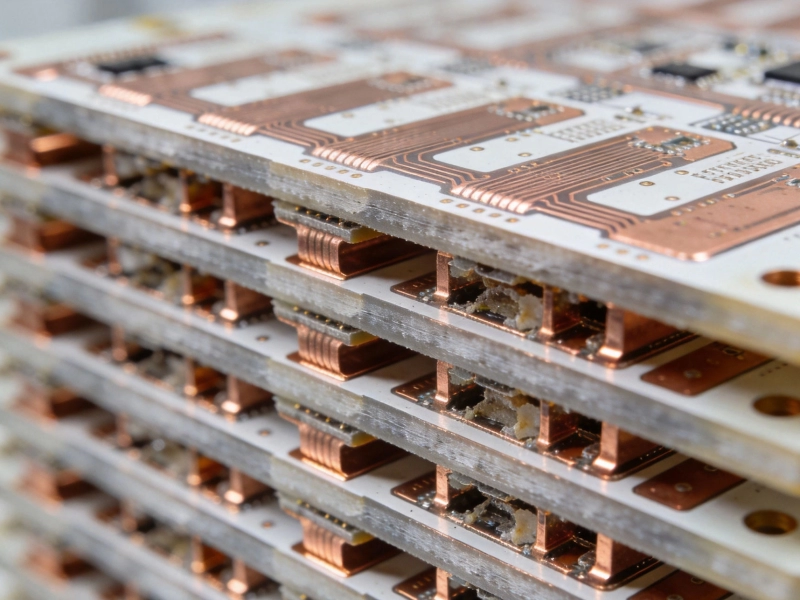
Manufacturing Challenges in 20+ Layer Industrial PCB SolutionsJuly/09/2026
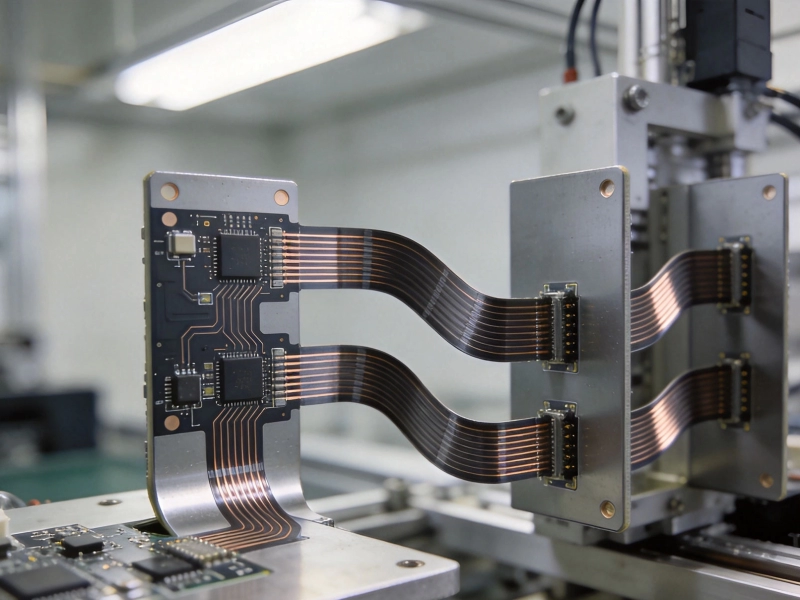
Why Choose Rigid-Flex PCB Solutions for Complex Industrial Assemblies?June/17/2026
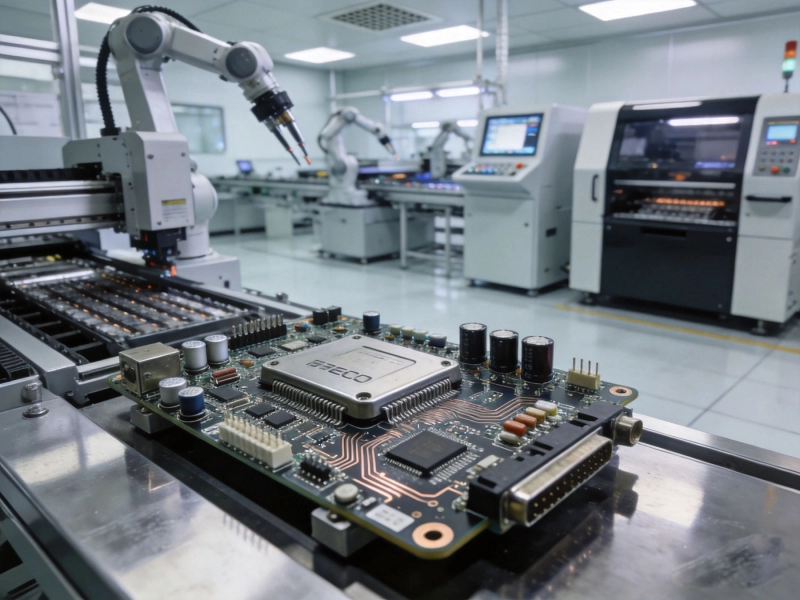
Custom Industrial PCB Solutions for the Automotive SectorMay/27/2026
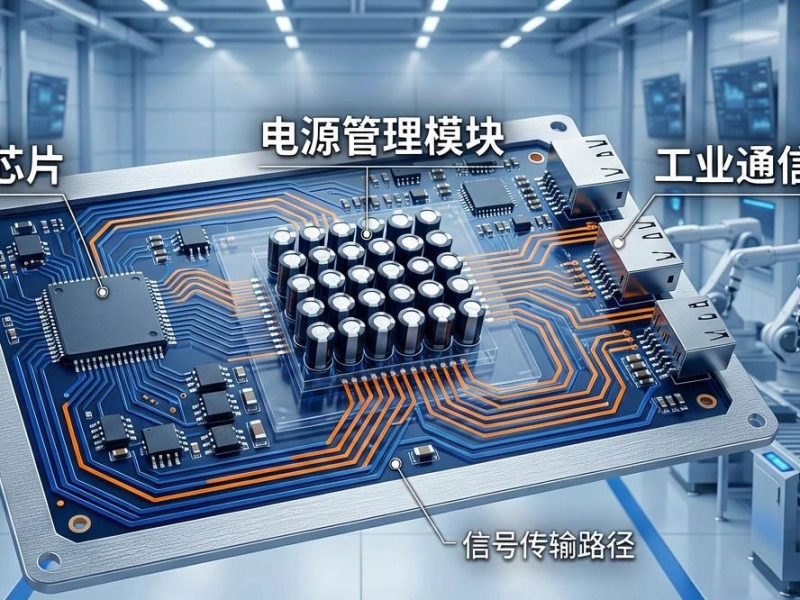
Unlocking Performance with High-Layer Count Industrial PCB SolutionsJune/15/2026
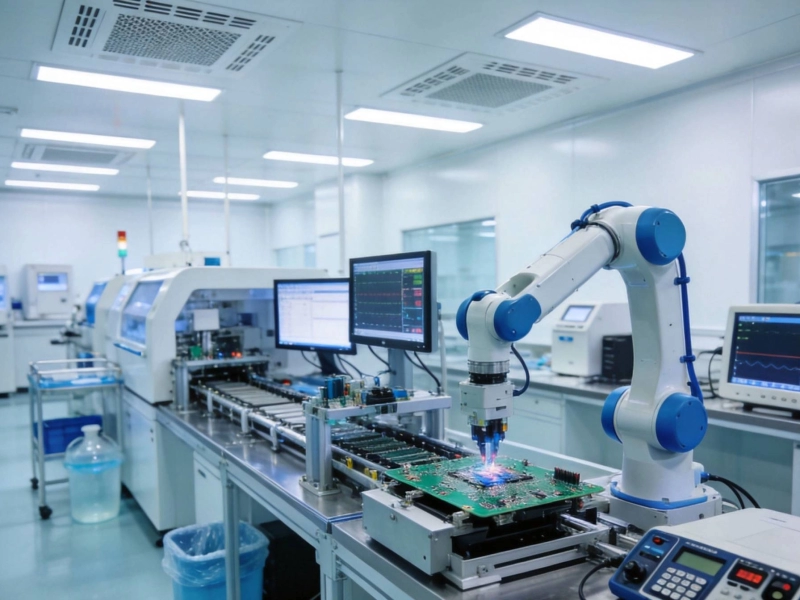
Tailored Industrial PCB Solutions for Medical Device ManufacturersJune/12/2026
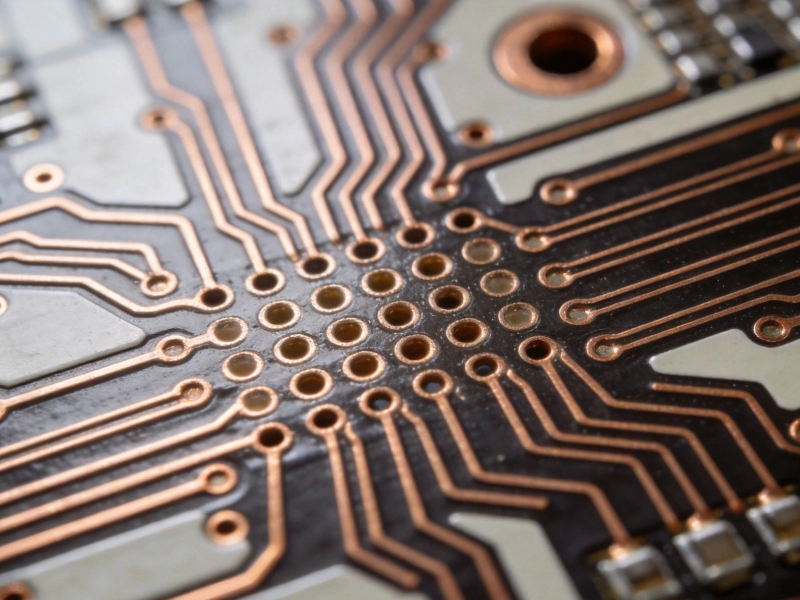
An Introduction to HDI Technology for Compact Industrial ElectronicsJune/16/2026