Open Nav


Have you ever wondered why a perfectly designed control board suddenly fails after a year in a hot factory? It is a frustrating reality for many hardware engineers. The culprit is often hidden inside the board itself. When we design for extreme environments, standard materials just don't cut it anymore. This is where High-tg Materials for industrial PCBs become the real game-changer. In this guide, we will explore why upgrading your substrate is necessary, how to choose the right one, and some practical design tips to keep your boards running smoothly for years.
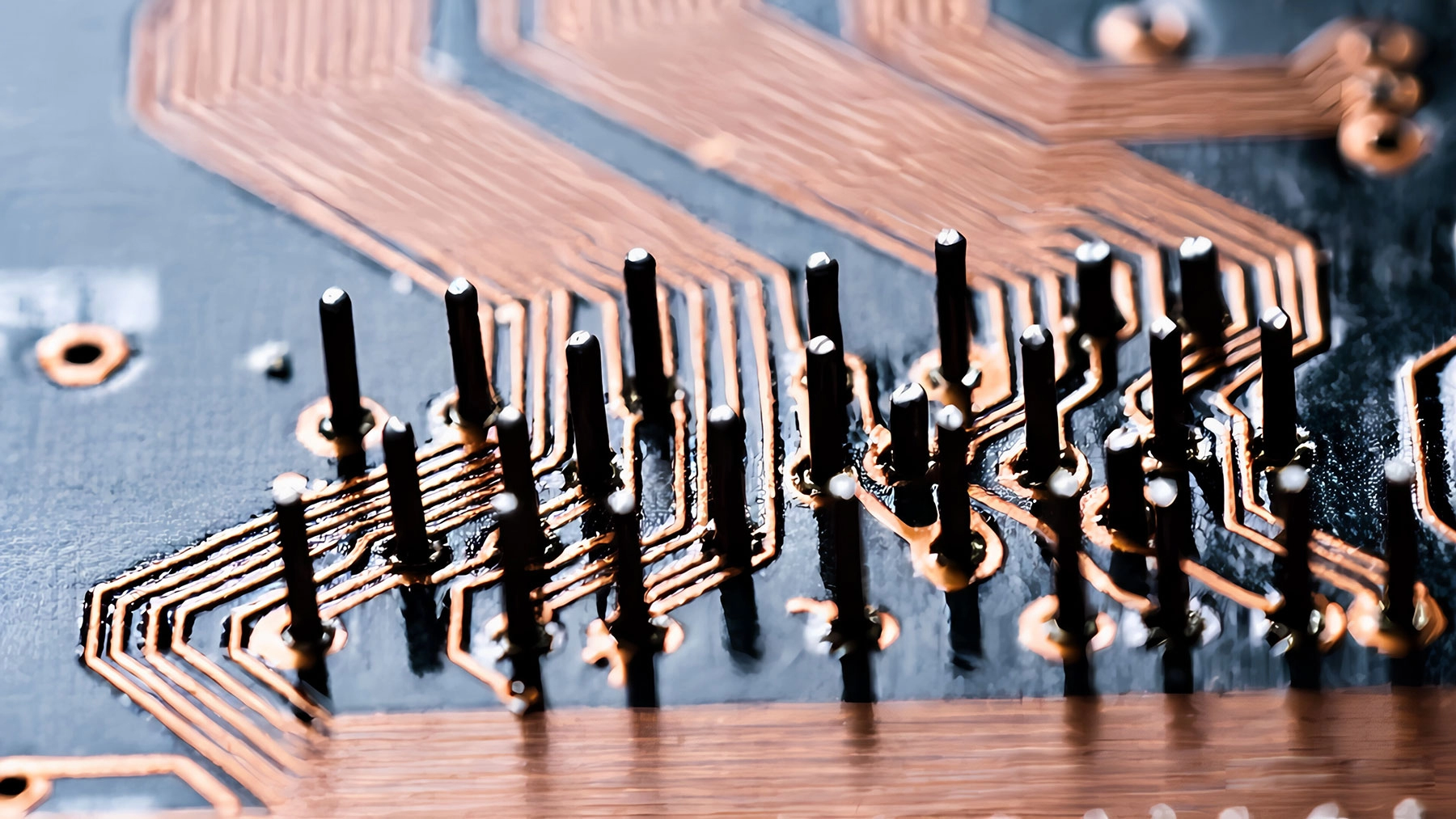
Before we dive into the heavy stuff, let's talk about what Tg actually means. Tg stands for Glass Transition Temperature. It is the specific point where your PCB base material changes from a hard, glassy state to a softer, rubbery state. Standard FR-4 boards usually have a Tg around 130°C to 140°C. But in industrial settings, ambient heat plus component heat can easily push things past that limit. When a board exceeds its Tg, it expands, warps, and can cause vias to crack. Using High-tg Materials for industrial PCBs ensures the board stays rigid and stable even when the temperature spikes to 170°C or higher.
I remember working on a PLC project a few years back where we used standard FR-4 to save some budget. Big mistake. The board was operating near a furnace, and after six months, we started seeing intermittent CAN bus errors. The root cause was a micro-crack in a via caused by Thermal Cycling. The Z-axis Coefficient of Thermal Expansion (CTE) of standard FR-4 is just too high. When it heats up, it expands way more than the copper plating inside the hole. Eventually, the copper tears. High-Tg materials have a much lower Z-axis CTE, usually below 55 ppm/°C, which drastically reduces this mechanical stress.
When you are selecting high-Tg materials for industrial PCBs, don't just look at the Tg value. You need to check a few other critical parameters:
Materials like Polyimide or specialized High-tg Fr-4 variants (like IT-180A or Panasonic R-1766) are excellent choices because they balance these properties perfectly.
Getting the material right is only half the battle. Your layout matters too. I always recommend placing Thermal Vias directly under high-power components to pull heat away from the board core. Also, try to maintain a symmetrical stack-up. If you put heavy copper on the top layer, balance it on the bottom. This prevents the board from bowing during the reflow process. Another tip is to use Conformal Coating if the board will be exposed to corrosive gases. Even the best high-Tg materials for industrial PCBs can suffer from surface leakage if contaminated over time.
Let's be honest, high-Tg materials are more expensive than standard FR-4. Sometimes they cost 30% to 50% more. But you have to look at the total cost of ownership. A field replacement for an industrial controller can cost thousands of dollars in labor and downtime. Spending a few extra dollars on the PCB upfront is basically an insurance policy. I usually suggest doing a thermal simulation early in the design phase. If your max board temp is under 80°C, maybe you don't need high-Tg. But if you are pushing 100°C+ consistently, there is really no debate.
Designing for industrial applications requires a different mindset. You aren't just building a gadget; you are building infrastructure. Understanding and properly utilizing high-Tg materials for industrial PCBs is one of the most important steps you can take to ensure long-term reliability. Don't wait for a field failure to realize you need better materials. Evaluate your thermal requirements, choose the right substrate, and design with heat in mind.
Q: Can I mix high-Tg and standard FR-4 in a hybrid stack-up?
A: Yes, but it requires careful engineering. The different CTEs can cause Delamination at the interface. It is usually better to stick to one material family unless you have a very specific reason.
Q: Does high-Tg affect Signal Integrity?
A: Generally, high-Tg materials have similar or slightly better dielectric properties than standard FR-4. However, always check the Dk and Df values at your operating frequency.
How to Select Industrial PCB Materials for High-Voltage ApplicationsSeptember/07/2026
A Comprehensive Guide to High-Tg Materials for Industrial PCBsMay/27/2026
Copper Weight Matters: Optimizing Industrial PCB Materials for Power ElectronicsSeptember/23/2026
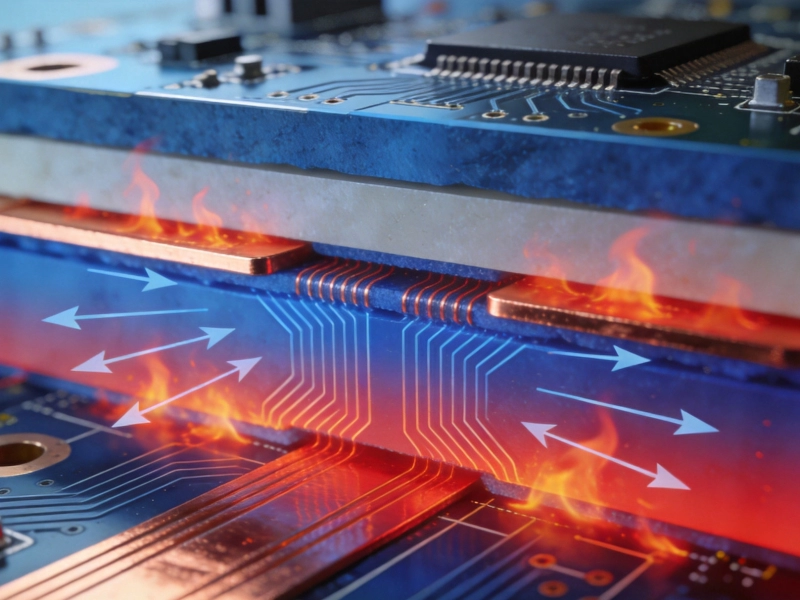
Understanding CTE and Its Impact on Industrial PCB Materials SelectionJuly/18/2026
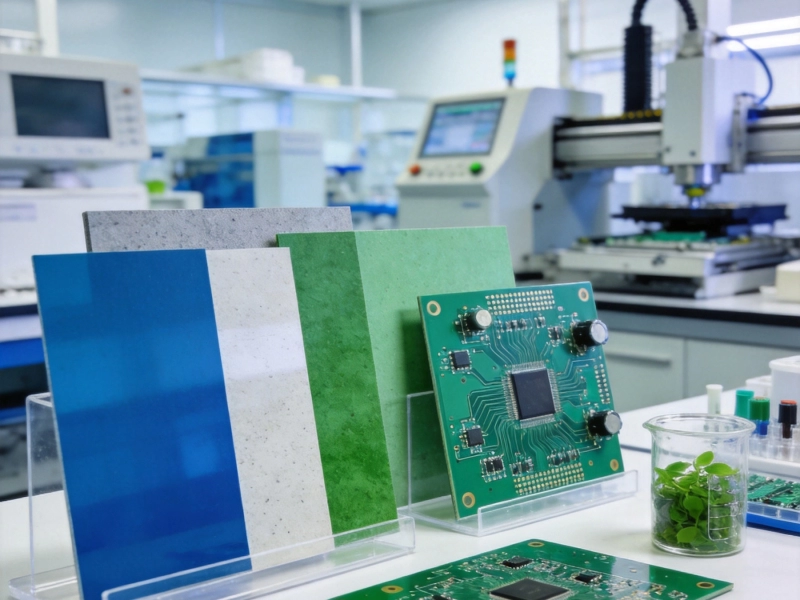
The Rise of Halogen-Free Industrial PCB Materials: Benefits and Trade-offsAugust/06/2026
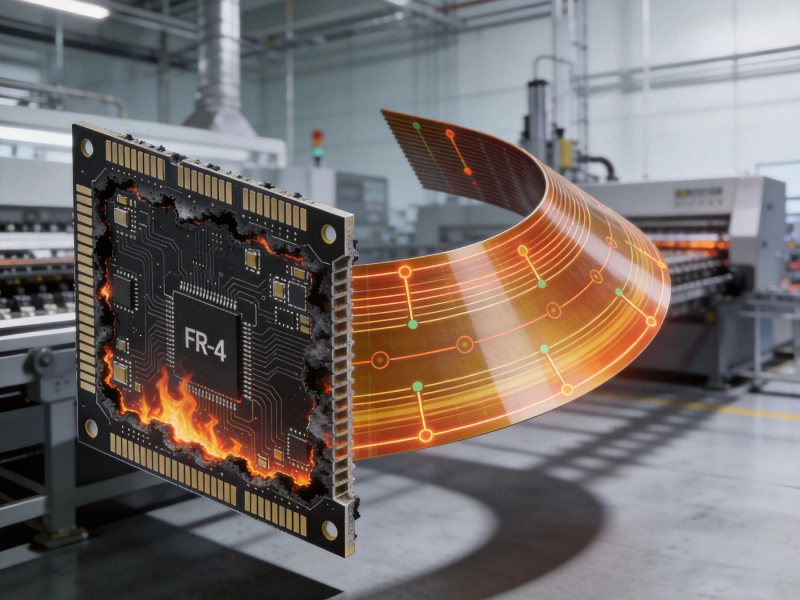
FR-4 vs. Polyimide: Choosing the Right Industrial PCB MaterialsJuly/02/2026
Understanding IPC Class 3 Standards for High-Reliability Industrial PCBsJune/11/2026
Tailored Industrial PCB Solutions for Medical Device ManufacturersJune/12/2026