Open Nav


Industrial Electronics Manufacturing operates under constraints that consumer products rarely face. Product lifecycles spanning decades require electronic assemblies to remain producible for extended periods, often exceeding the availability windows of key components. Component obsolescence—the discontinuation of parts by manufacturers—poses existential challenges for industrial equipment builders who must maintain products long after original component suppliers have moved on. Without systematic obsolescence management, manufacturers face production interruptions, costly redesigns, and potentially catastrophic customer relationships built on product support commitments.
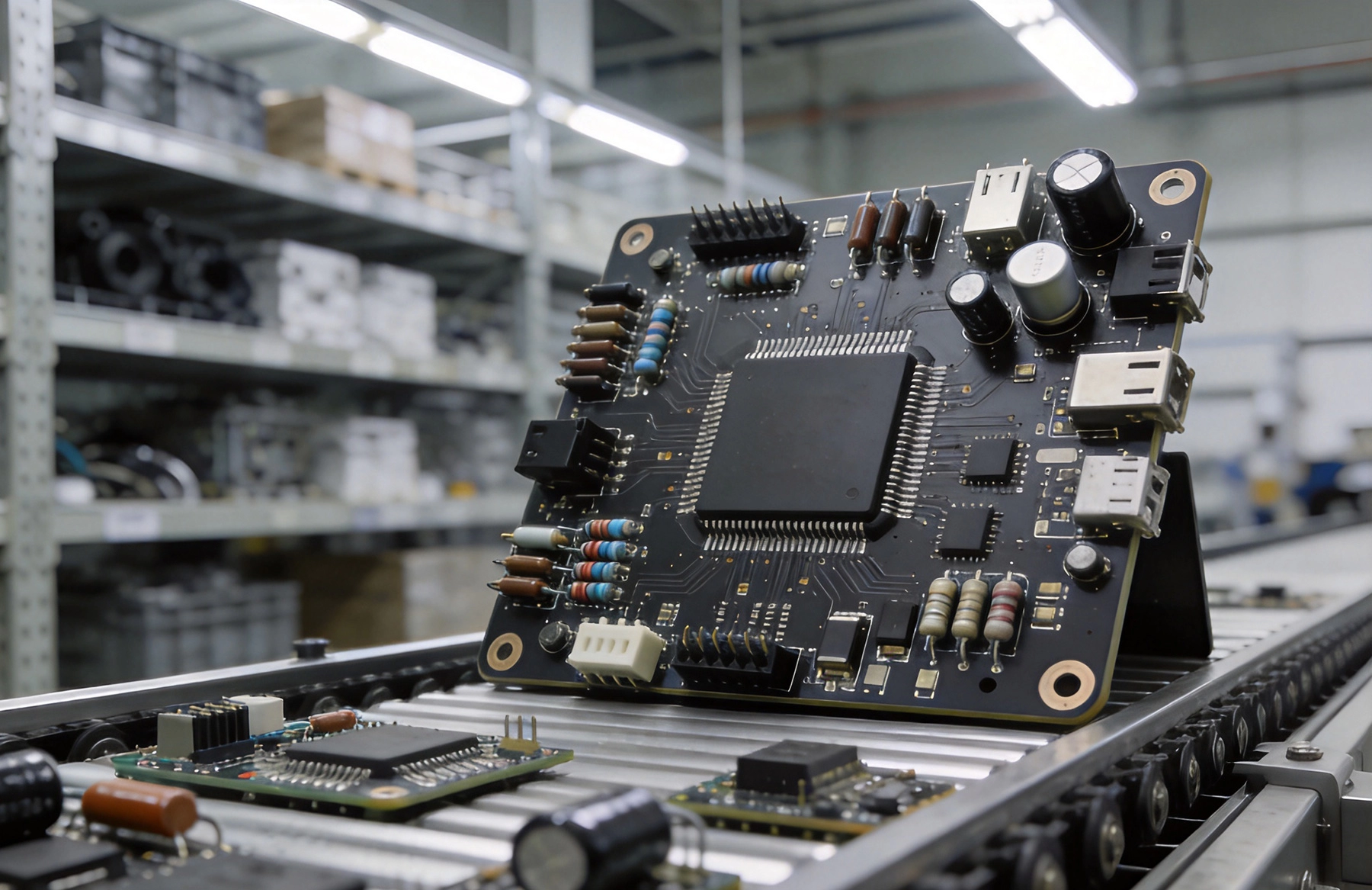
The semiconductor industry operates on aggressive product cycles that render components obsolete within two to five years for many categories. While consumer electronics accept this reality as an acceptable cost of rapid innovation, industrial equipment manufacturers struggle under different economics. A motor drive controller introduced today might require field support through 2045, yet its primary microcontroller may disappear from the market by 2028.
Industrial applications demand extended product availability for multiple reasons. Capital equipment represents major investments that customers expect to operate for decades. Regulatory requirements in safety-critical applications mandate spare parts availability. Infrastructure deployments create installed bases that require ongoing support regardless of how technology evolves elsewhere. These market realities create tension with component manufacturers pursuing efficiency through product consolidation.
The obsolescence problem intensifies as component content increases in modern assemblies. A 1990s-era control board might contain five critical components, each with manageable replacement risk. Contemporary designs incorporate dozens of specialized semiconductors, each representing a potential obsolescence trigger. The combinatorial effect of multiple obsolescence risks demands systematic management approaches.
Semiconductor manufacturers discontinue products for various business reasons beyond their control. Silicon fabrication facilities operate at capacity, forcing manufacturers to prioritize higher-volume products. Wafer availability from upstream suppliers affects downstream component availability. Economic pressures drive consolidation of product lines and elimination of low-volume offerings.
Technology transitions create obsolescence waves that affect entire component categories. The shift from traditional packages to surface-mount technologies produced massive obsolescence events as through-hole components disappeared from supplier portfolios. Similar transitions are occurring as traditional lead-based soldering gives way to lead-free requirements mandated by environmental regulations.
Geopolitical factors increasingly influence component availability independent of manufacturer intentions. Trade restrictions, export controls, and supply chain disruptions can effectively render components unavailable even when officially active. These factors add complexity to obsolescence planning, requiring consideration of availability risks beyond traditional end-of-life notifications.
When obsolescence catches manufacturers unprepared, the consequences extend across organizational functions. Production lines halt while engineering teams scramble to identify replacements. Expedited sourcing commands premium pricing from remaining inventory holders. Redesign projects consume resources needed for new product development. Each unplanned obsolescence event consumes management attention that could otherwise focus on value-creating activities.
Customer relationships suffer when obsolescence interrupts product availability. Industrial customers who built their own product plans around component supply commitments face disruptions that propagate through their organizations. The trust built over years of reliable supply evaporates when delivery promises go unmet. In competitive markets, customers may not return even after obsolescence issues resolve.
Financial impacts extend beyond immediate production costs. Last-time buy decisions require capital investment in inventory that might never convert to revenue if demand forecasts prove optimistic. Excess inventory creates carrying costs and eventual write-offs when components expire unused. Redesign costs for replacement development burden product economics in ways that affect competitiveness.
Effective obsolescence management requires organizational commitment extending beyond tactical responses to individual events. A comprehensive program establishes processes for monitoring, planning, and executing obsolescence mitigation across the product portfolio. This systematic approach reduces reactive scrambling while enabling strategic allocation of engineering resources.
Program foundations include clear ownership of obsolescence responsibility within the organization. Without designated accountability, obsolescence management falls between engineering, procurement, and program management functions, receiving attention only when crises emerge. Centralized visibility across the product portfolio enables prioritization that considers both technical and business factors.
Governance processes formalize how obsolescence decisions receive evaluation and approval. Not every obsolescence event requires expensive mitigation action; some components can accept standard lifetime extension approaches while others demand aggressive intervention. Decision frameworks that consider remaining lifecycle, volumes, margins, and customer commitments guide appropriate resource allocation.
Proactive obsolescence management depends on timely awareness of developing risks. Component lifecycle data services from organizations like IHS Markit, Silicon Expert, and Sourceability aggregate datasheet change notifications, product discontinuation announcements, and manufacturing status updates from thousands of suppliers. Integrating these services into organizational workflows enables early warning of approaching obsolescence.
Design registration programs with component distributors extend visibility into manufacturer product roadmaps. Distributor account teams often provide advance notification of approaching end-of-life based on their relationships with component manufacturers. These relationships provide intelligence that passive monitoring cannot capture.
Internal tracking connects component usage data with lifecycle intelligence to prioritize monitoring attention. Components representing high risk—long lifecycle applications, single-source positions, or declining market availability—warrant closer monitoring than components easily substituted from multiple sources. This risk-based approach focuses monitoring resources where they deliver maximum value.
Strategic inventory provides a buffer against obsolescence uncertainty, enabling continued production while replacement solutions develop. Last-time buy decisions require balancing inventory investment against actual demand expectations and alternative source availability. Over-purchasing creates financial exposure; under-purchasing risks production interruptions.
Inventory planning tools model demand scenarios against component lifecycle forecasts, identifying inventory requirements under various assumptions. Monte Carlo simulation approaches incorporate uncertainty in demand forecasts and supply availability, producing probability distributions that inform inventory investment decisions. These analytical approaches reduce reliance on intuition when planning significant inventory investments.
Financial instruments including component futures and availability contracts provide alternative approaches to inventory management. Some distributors offer programs guaranteeing component availability at fixed pricing over extended periods. While these programs carry premium costs, they eliminate obsolescence risk for covered components and simplify financial planning.
Second-source qualification provides insurance against single-source obsolescence risks. When alternative manufacturers can supply functionally equivalent components, obsolescence of the primary source triggers qualification rather than crisis. Proactive second-sourcing, even for components with stable availability, builds Supply Chain Resilience that pays dividends when disruptions occur.
Second-source qualification requires more than simply identifying a manufacturer producing similar parts. Electrical and mechanical compatibility must be verified through testing that confirms performance equivalent to the primary source. Parametric testing validates that alternative components meet specification under all operating conditions. Physical verification ensures that alternative packages mount correctly without layout modifications.
Automotive and aerospace industries require formal qualification processes that formally document second-source capability. These regulated industries cannot accept components without documented qualification evidence. The investment in qualification documentation provides value beyond immediate obsolescence response, enabling faster qualification of future alternative sources.
Design decisions made during product development determine obsolescence vulnerability throughout the product lifecycle. Designs incorporating components from stable, long-lifecycle product families face fewer obsolescence challenges than designs built around leading-edge semiconductors with short market windows. This design philosophy requires balancing performance requirements against availability considerations.
Modular architecture enables component-level obsolescence response without complete product redesign. When a specific function module reaches end-of-life, replacement modules can incorporate updated components while preserving functional modules with adequate availability. This approach requires upfront investment in modular architecture but reduces obsolescence response costs over product lifetime.
Processor and memory components present particular obsolescence challenges given their rapid technology advancement. Selecting processors with long support commitments, established ecosystems, and backward compatibility across generations reduces obsolescence risk for these critical components. External memory interfaces designed for multiple compatible memory devices provide flexibility when specific memory components become unavailable.
When obsolescence mitigation alternatives prove insufficient, redesign becomes necessary. Successful redesign programs maintain production continuity while developing replacement solutions. Parallel development approaches keep existing products producing while replacement designs mature through engineering validation.
Redesign scope should consider both immediate obsolescence drivers and anticipated future risks. Narrow redesigns addressing only immediate obsolescence might leave underlying vulnerability to subsequent obsolescence events. Broader redesigns that modernize multiple components reduce future obsolescence exposure while spreading development costs across more improvement opportunities.
Customer notification and approval processes require careful management during redesign events. Industrial customers need lead time to validate replacement products in their applications. Regulatory compliance requirements might mandate formal change notification procedures. Communication planning should begin early in redesign programs to ensure affected parties receive appropriate information.
Electronic component distributors provide value beyond transactional procurement. Distribution partners with strong engineering support capabilities can assist with alternative source identification, cross-reference research, and obsolete component sourcing. These relationships provide resources that small engineering teams might not maintain internally.
Authorized distributor relationships offer advantages for obsolescence management that gray market sources cannot match. Authorized channels provide genuine components with complete traceability, protecting against counterfeit parts that create reliability and liability exposure. While authorized sources may command premium pricing, the assurance of authenticity and traceability justifies the cost difference.
Long-term distributor relationships create mutual investment in customer success. Distributors who understand customer product roadmaps, lifecycle expectations, and technical requirements can proactively identify obsolescence risks before they become crises. This consultative relationship model requires volume commitment and ongoing engagement, but delivers value that transactional procurement cannot achieve.
Obsolescence management programs benefit from metrics that track performance over time. Key performance indicators should measure both process effectiveness—speed of obsolescence response, qualification cycle times—and business outcomes—production continuity rates, inventory carrying costs, customer satisfaction scores.
Benchmarking against industry standards provides context for internal metrics. Industry associations and research organizations publish guidance on obsolescence management best practices and expected performance levels. Comparing internal performance against benchmarks identifies improvement opportunities and validates that program investments deliver expected returns.
Continuous Improvement processes refine obsolescence management approaches based on lessons learned. Post-event reviews following significant obsolescence events identify process gaps and improvement opportunities. Integrating these insights into program processes ensures that each event contributes to organizational capability development.
Digital transformation is reshaping obsolescence management capabilities. Artificial intelligence and machine learning enable predictive modeling that anticipates obsolescence risks before formal manufacturer announcements. These analytical capabilities transform obsolescence management from reactive response to proactive planning.
Supply chain transparency initiatives improve visibility into component availability across the supply chain. Blockchain and distributed ledger technologies are beginning to provide provenance verification and availability tracking that improve decision-making confidence. These technologies require investment in digital infrastructure but enable capabilities that traditional approaches cannot match.
Circular economy principles influence obsolescence thinking by considering end-of-life from the beginning of product development. Designing for repairability, upgradability, and recyclability extends product lifecycles while reducing obsolescence pressure. These design philosophies require upfront investment but create products that maintain value throughout extended service lives.
Component obsolescence management represents a critical capability for Industrial Electronics manufacturers committed to long product lifecycles. Without systematic approaches to obsolescence risk, manufacturers face reactive scrambles that consume resources, disrupt production, and damage customer relationships. Proactive programs that monitor, plan, and respond to obsolescence enable production continuity and competitive positioning that unmanaged approaches cannot achieve.
Building effective obsolescence management requires organizational commitment extending from executive sponsorship through tactical execution. Process, technology, and relationship investments combine to create capabilities that address obsolescence across the product lifecycle. While these investments require resources, the alternative—unmanaged obsolescence crises—consumes far greater resources while delivering worse outcomes.
Industrial Electronics manufacturers who master obsolescence management transform a traditionally defensive function into competitive advantage. Products that remain available throughout customer lifecycles create customer loyalty that competitors cannot easily overcome. This strategic perspective on obsolescence management elevates what many organizations treat as purely operational concern into genuine business differentiation.
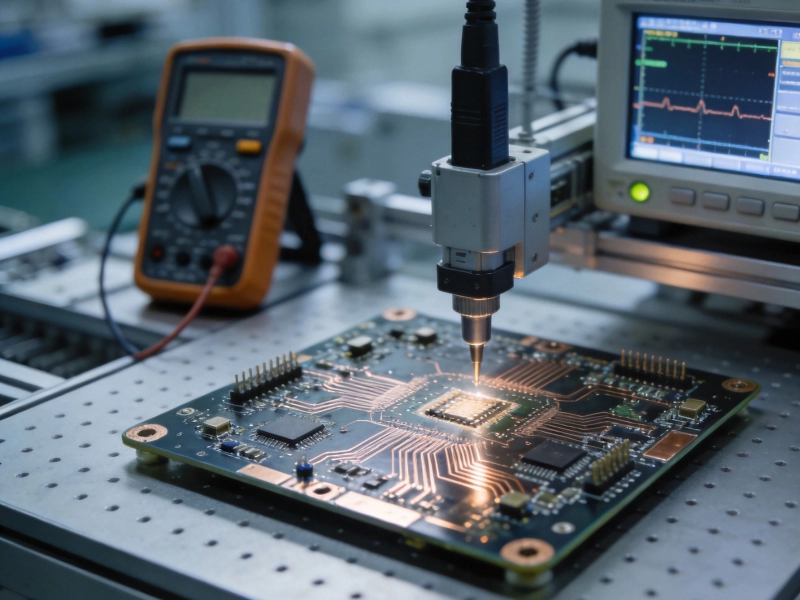
How to Ensure Quality Control in High-Mix Low-Volume Industrial PCBAJuly/21/2026
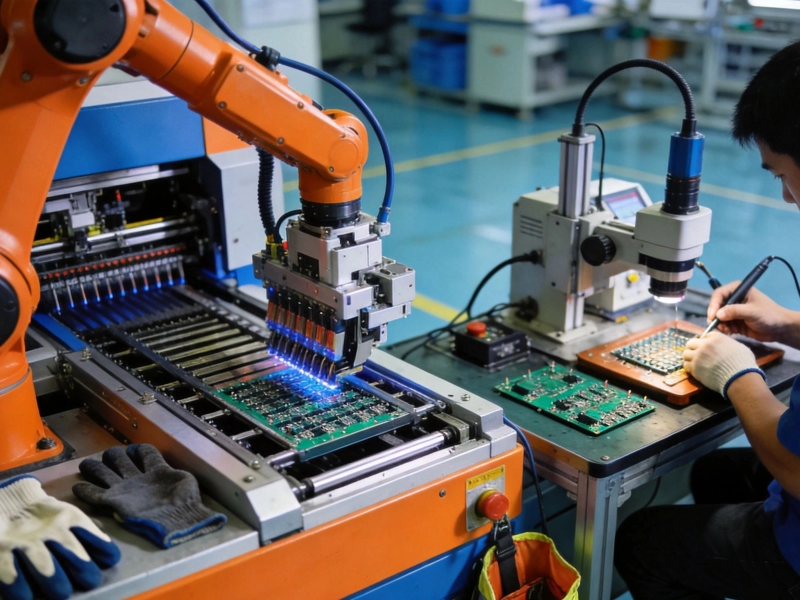
SMT vs. Through-Hole: Best Practices for Industrial PCBAJuly/07/2026
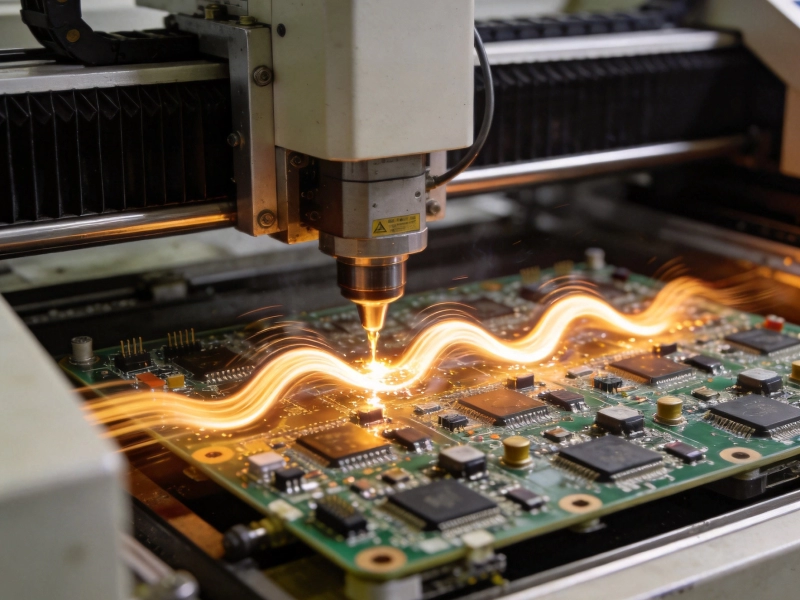
Selective Soldering Techniques for Mixed-Technology Industrial PCBA<September/09/2026

X-Ray Inspection: Why It's Vital for Complex Industrial PCBA ProjectsSeptember/26/2026
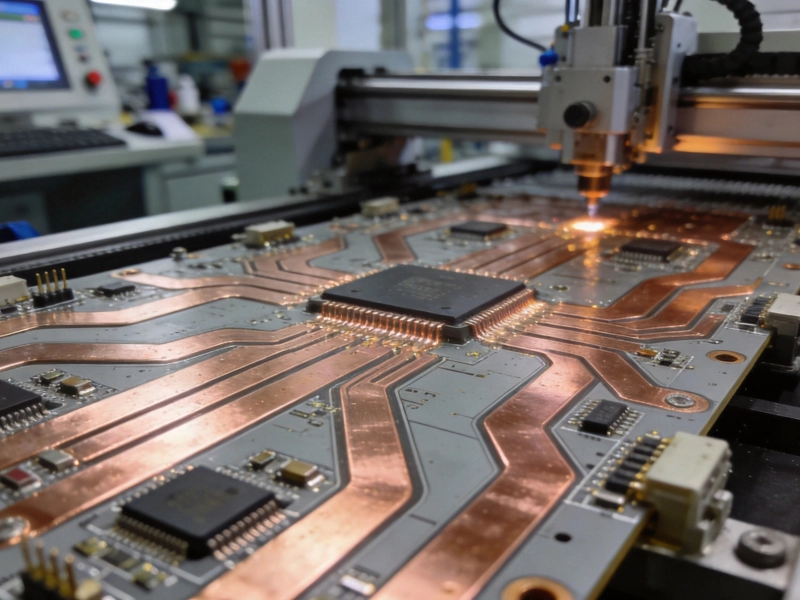
Manufacturing Processes for Extreme Heavy Copper Industrial PCBsAugust/15/2026

Industrial PCBA: Navigating the Complexities of Box Build AssemblyJune/09/2026
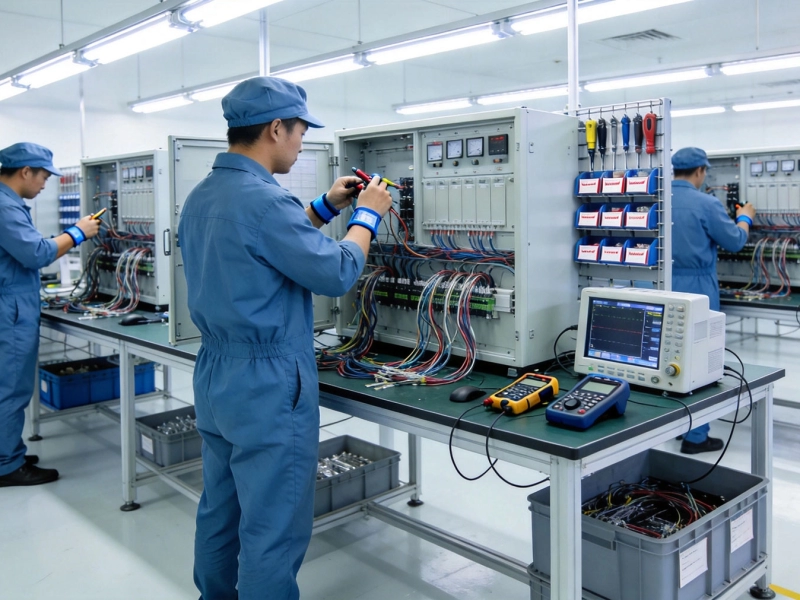
Navigating the Complexities of Box Build AssemblyMay/27/2026
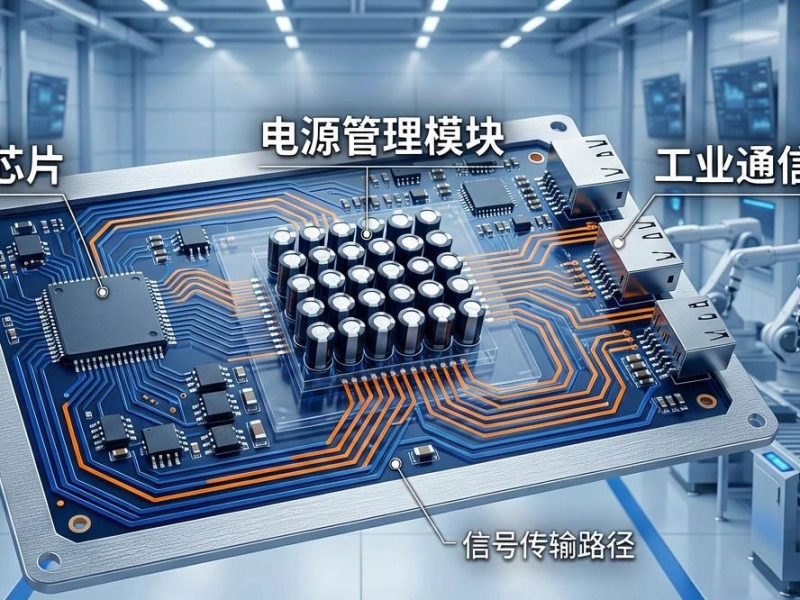
Unlocking Performance with High-Layer Count Industrial PCB SolutionsJune/15/2026