Open Nav


Industrial printed circuit boards are the backbone of Power Electronics, automation systems, medical equipment, transportation infrastructure, and energy conversion. Unlike consumer electronics, industrial PCBs often operate under higher voltage, higher current, wider temperature ranges, and longer product life cycles. These requirements make the supply chain more complex and less forgiving.
In recent years, global Industrial Pcb production has faced recurring disruptions, from component shortages and raw material volatility to logistics delays, trade restrictions, and capacity constraints. For engineering teams, procurement managers, and operations leaders, the challenge is no longer just finding a supplier. The real task is building a resilient supply chain that can maintain quality, compliance, and delivery stability under uncertainty.
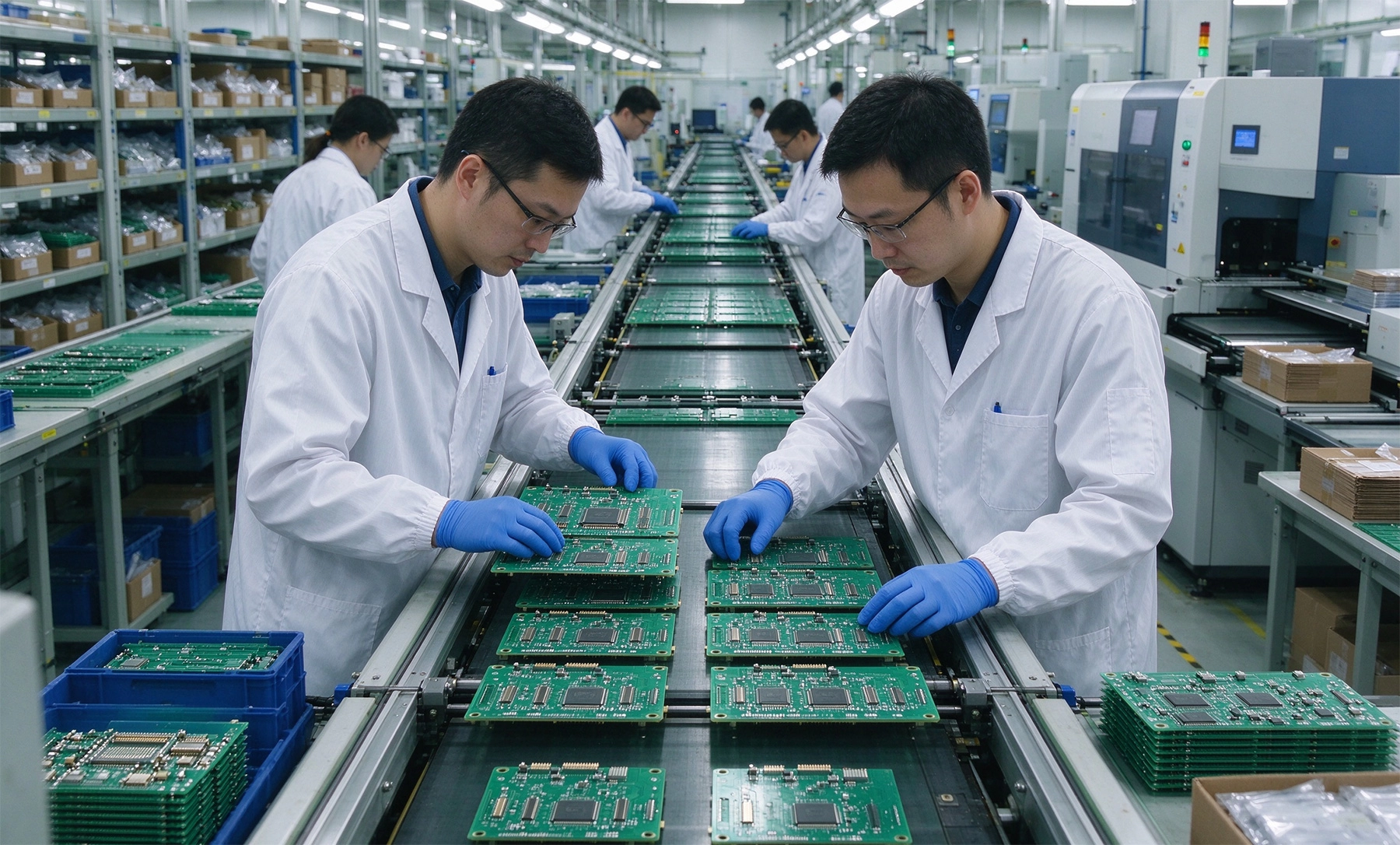
Industrial PCBs are not simply larger or more expensive versions of consumer boards. They usually involve stricter reliability requirements, longer qualification processes, and more demanding environmental conditions. A failure in an industrial inverter, medical imaging system, railway controller, or renewable energy converter can result in safety risks, production downtime, regulatory exposure, and significant financial loss.
Several factors make Industrial Pcb supply chains uniquely challenging:
Even when a PCB manufacturer can produce boards quickly, component availability often determines the real lead time. Industrial designs frequently rely on specific semiconductors, power modules, connectors, and passive components that may have long lead times or limited second sources.
Obsolescence is another persistent issue. Industrial products must remain serviceable for many years, yet component manufacturers may discontinue parts without long notice. When a critical component becomes unavailable, teams may need to redesign the board, qualify an alternative, or secure last-time buys, all of which affect cost and schedule.
PCB production depends on copper clad laminates, prepreg, Copper Foil, Solder Mask, surface finish chemicals, and other specialized materials. Prices and availability for these inputs can fluctuate due to energy costs, environmental regulations, mining output, and geopolitical factors.
For industrial PCBs, material consistency matters more than for many consumer applications. A change in laminate supplier or resin system may affect thermal performance, Impedance Control, insulation strength, or long-term reliability. This means substitution cannot be treated as a simple cost-saving measure.
Global PCB capacity is not evenly distributed. Certain regions specialize in high-volume consumer boards, while others focus on high-reliability industrial, automotive, or aerospace production. When demand spikes in one segment, capacity can shift quickly, creating bottlenecks for industrial programs that require stable, qualified processes.
Industrial customers often face a difficult balance. They need enough capacity to meet production targets, but they may not have the volume to secure priority access during tight market conditions. This makes long-term forecasting and supplier relationships more important than spot pricing.
Industrial Pcb supply chains are frequently global. A board may be fabricated in one country, assembled in another, tested in a third location, and shipped to end customers worldwide. Each handoff introduces risk.
Port congestion, air freight capacity limits, customs delays, and regional disruptions can extend lead times unexpectedly. For industrial projects with fixed installation windows, such as factory upgrades, energy projects, or infrastructure deployments, late delivery can have cascading effects across the entire program.
Not all PCB manufacturers apply the same quality standards, even when they claim similar capabilities. Industrial boards often require Controlled Impedance, high reliability interconnects, strict solderability control, and thorough inspection. Without clear specifications, quality expectations can be interpreted differently across suppliers.
Problems may not appear immediately. A board that passes initial testing can still fail after Thermal Cycling, vibration, or long-term operation. This makes incoming inspection, first article approval, and process audits essential rather than optional.
Global Industrial Pcb Production must navigate export controls, customs regulations, environmental requirements, and customer-specific compliance rules. Restrictions on certain materials, technologies, or destinations can affect sourcing decisions.
Documentation also matters. Industrial customers often need material declarations, test reports, certificates of conformity, traceability records, and audit-ready production data. Suppliers that cannot provide reliable documentation may create compliance risks even if their boards appear acceptable at first glance.
Relying on a single manufacturer increases vulnerability. A more resilient approach is to qualify two or three approved suppliers for critical board families. These suppliers do not need to be identical, but they should be capable of meeting the same technical and quality requirements.
When qualifying alternatives, focus on process capability rather than price alone. Compare their experience with similar industrial applications, inspection equipment, change control procedures, and ability to maintain consistent materials over time.
For industrial PCBs, material stability is often more important than minor cost differences. Once a board is qualified, document the approved laminate systems, copper weights, surface finishes, and Solder Mask types. Where possible, agree with suppliers on acceptable alternates before a shortage occurs.
If a design uses specialized materials such as high-frequency laminates, heavy copper, or metal-core substrates, confirm availability and lead times during the quoting stage. Do not assume that standard FR-4 suppliers can automatically substitute advanced materials without affecting performance.
Resilience begins in the design phase. Engineers can reduce supply chain risk by avoiding single-source components, selecting parts with multiple qualified manufacturers, and planning for realistic tolerances.
For high-reliability boards, design rules should also consider manufacturability. Tight tolerances that provide little functional benefit may limit supplier options and increase cost. A well-balanced design makes it easier to switch suppliers when necessary without compromising quality.
PCB manufacturers plan capacity based on forecasts. If a customer provides no visibility, the supplier may treat the order as spot demand, which is more vulnerable to delays. Sharing rolling forecasts, even if they are non-binding, helps suppliers reserve materials and production slots.
For industrial programs with known milestones, share project timelines early. This allows the supplier to plan engineering reviews, material procurement, and testing resources in advance.
Uncontrolled changes are a major source of Industrial Pcb failures. A supplier should not substitute materials, components, or processes without notification and approval. Establish a clear change management process that covers engineering change requests, material substitutions, process updates, and requalification requirements.
Document what changes require customer approval and what changes the supplier can make internally. This prevents unexpected variations from entering production after qualification.
Supplier selection should go beyond unit price. Track delivery performance, first-pass yield, DFM response quality, communication speed, defect rates, and corrective action effectiveness. Over time, these metrics reveal which suppliers can truly support industrial programs.
A supplier that offers the lowest quote but frequently misses deadlines, provides incomplete documentation, or resists technical clarification may create higher total cost than a slightly more expensive but more reliable partner.
Industrial Pcb Production requires more than visual inspection. Depending on the application, appropriate testing may include electrical testing, impedance verification, Aoi, X-ray Inspection for BGA and via filling, Thermal Cycling, high-pot testing, and Functional Testing.
Traceability is equally important. For industrial and regulated markets, it should be possible to trace a board back to its production batch, material lot, surface finish process, and inspection records. This capability becomes critical when investigating field failures or supporting customer audits.
Industrial equipment often remains in the field for many years. Supply chain planning must therefore include end-of-life management. Monitor Component Obsolescence, maintain approved alternate parts, and keep updated manufacturing documentation.
For critical products, consider maintaining a controlled inventory of key components, finished boards, or bare boards. The cost of strategic inventory is often lower than the cost of emergency redesigns or unplanned downtime.
Global industrial PCB production will continue to face supply chain challenges. Component shortages, material volatility, capacity constraints, logistics disruptions, and compliance requirements are not temporary issues. They are structural features of modern hardware manufacturing.
The most successful industrial teams do not try to eliminate all risk. Instead, they design resilience into their supply chains. They qualify multiple suppliers, protect critical materials, share forecasts, enforce change control, and treat manufacturing partners as extensions of their engineering and operations teams. With the right approach, industrial PCB supply chains can become more predictable, more compliant, and better aligned with long-term product reliability.
Industrial PCBs typically require longer life cycles, stricter reliability standards, specialized materials, and formal qualification processes. Changes that are acceptable in consumer electronics may require full requalification in industrial applications.
Companies can reduce risk by selecting multi-source components, approving alternates early, sharing forecasts with suppliers, monitoring obsolescence notices, and maintaining strategic inventory for critical parts.
Not necessarily. For industrial applications, total cost includes quality, delivery reliability, documentation, traceability, and long-term support. A low unit price can become expensive if it leads to delays, rework, or field failures.
Typical documentation includes material certificates, test reports, inspection records, first article reports, certificates of conformity, traceability data, and change notification records. Regulated industries may require additional compliance documentation.
Cost Reduction Strategies in High-Volume Industrial PCB ProductionSeptember/18/2026

How Automation is Revolutionizing Industrial PCB Production in 2026September/02/2026
How to Scale Your Industrial PCB Production for Mass ManufacturingJune/02/2026
The Complete Guide to Manufacturing Processes and Industry ChallengesMay/27/2026
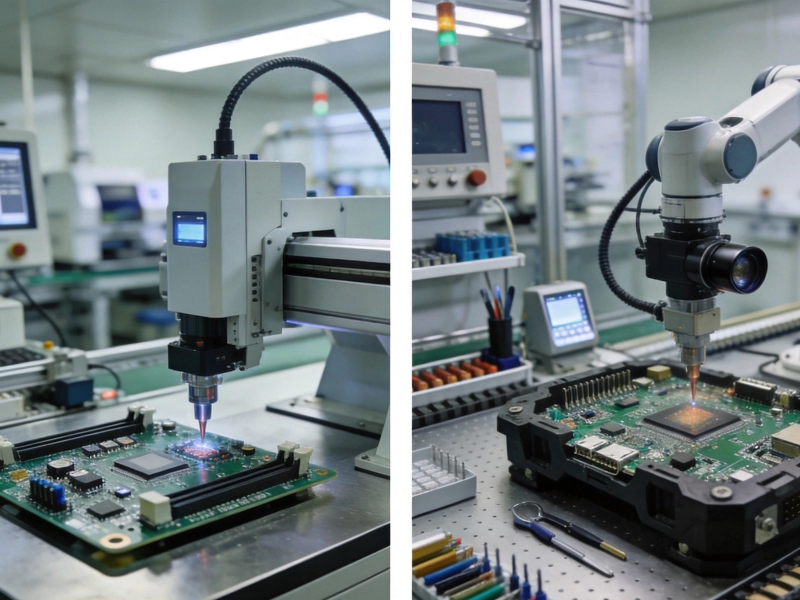
Key Differences Between Consumer and Industrial PCB ProductionJune/27/2026
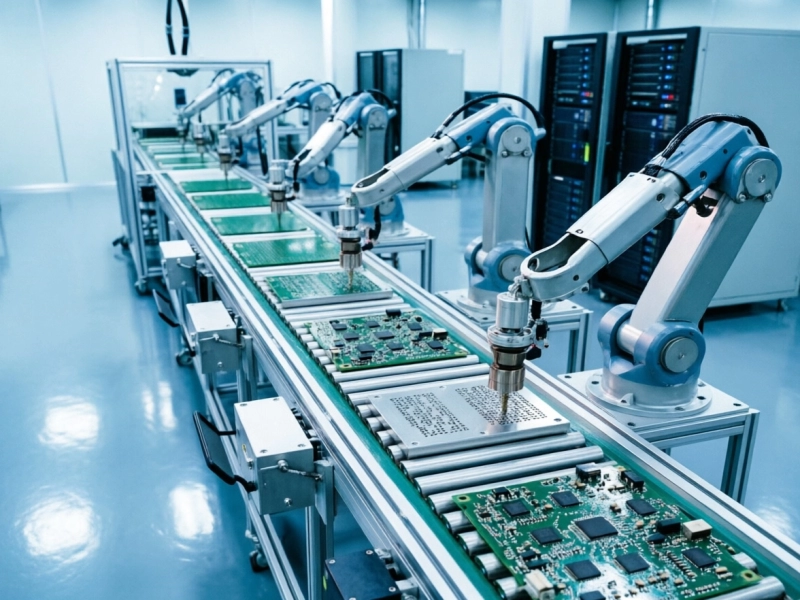
Understanding the Lifecycle of an Industrial PCB Production RunJuly/31/2026
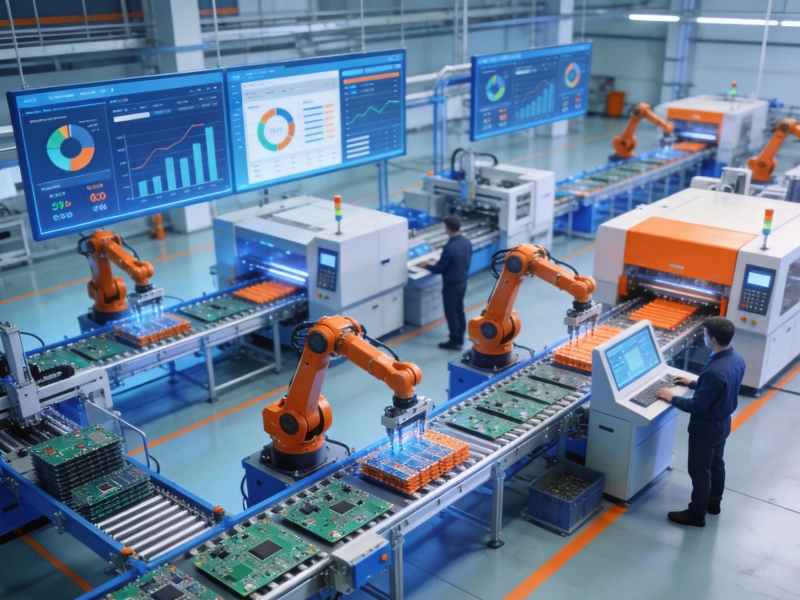
5 Critical Steps to Optimize Your Industrial PCB Production WorkflowJuly/15/2026
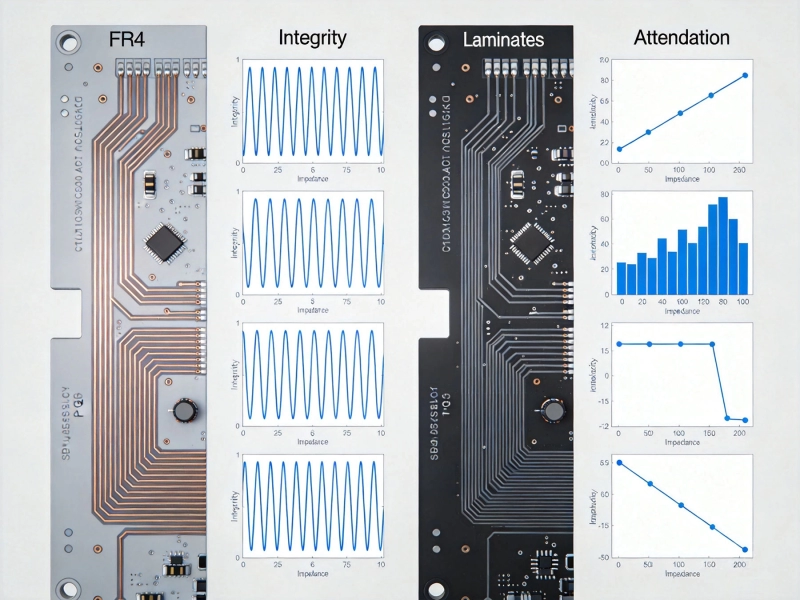
Material Selection Guide for High-Speed Industrial PCB SolutionsJuly/14/2026