Open Nav


The PCB on a smartwatch and the PCB inside a industrial motor controller might look similar at first glance. Both have copper traces, components, and solder joints. But beneath the surface, the design choices, manufacturing processes, and quality standards that govern their production differ dramatically. These differences are not merely theoretical—they determine whether the product survives a few weeks in a lab or years of operation in demanding environments.
This guide explores the fundamental distinctions between consumer and Industrial Pcb production, helping engineers, procurement managers, and product developers understand why the two markets operate so differently and what those differences mean for product design, reliability, and total cost of ownership.
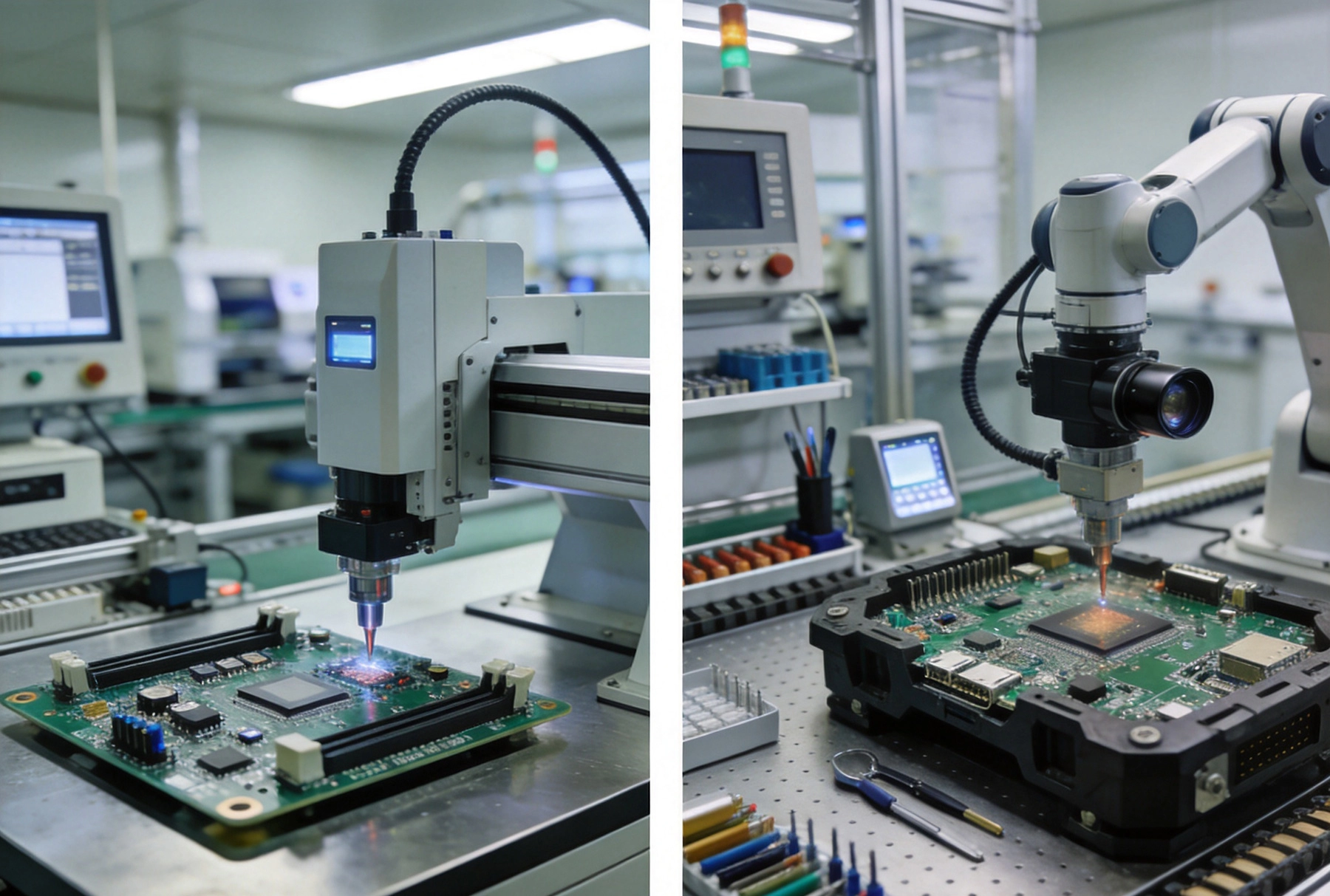
The most visible difference between consumer and Industrial Pcb production is the quality standard applied during manufacturing. Consumer electronics typically follow IPC-A-610 Class 2 standards, which accept a higher level of cosmetic defects and less stringent inspection criteria. A solder joint that might be acceptable in a smartphone PCB could be rejected outright in an industrial application that demands IPC-A-610 Class 3 compliance.
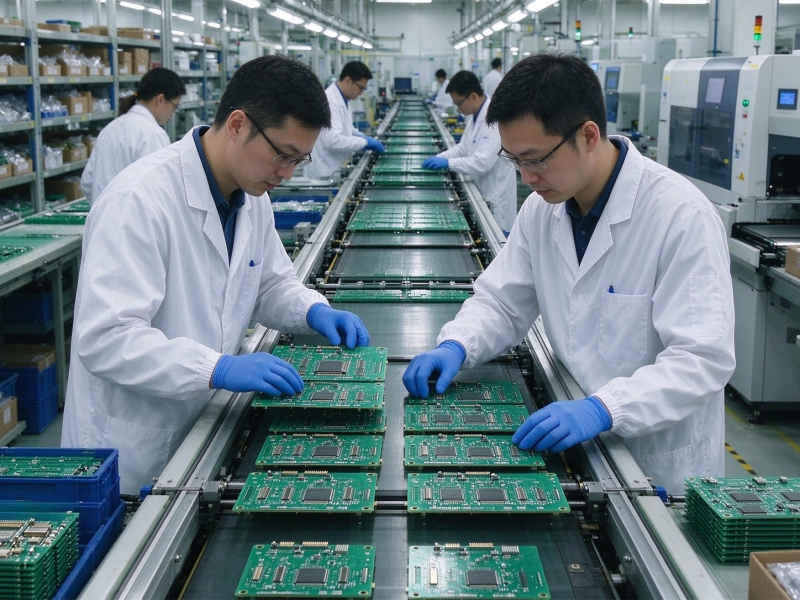
Class 3 requirements emphasize functional reliability over appearance. This means complete solder wetting, minimal voiding, precise component alignment, and full inspection coverage. Industrial Pcb manufacturers typically implement 100 percent visual inspection on all assemblies, combined with automated optical inspection, X-ray Inspection for BGAs, and electrical testing. Consumer PCB manufacturers often sample inspect, accepting some defect rates that would be unacceptable in industrial settings.
Consumer electronics products typically operate for 2-5 years before replacement, and many never reach their theoretical design life. Industrial equipment is expected to operate continuously for 10-20 years or longer. This difference in expected lifecycle drives dramatically different material choices, design tolerances, and production methods. Industrial Pcb manufacturers select materials and processes based on accelerated lifetime testing that simulates decades of operation.
The harsh environments where Industrial Electronics operate add another layer of complexity. Temperature cycling between -40°C and +85°C, vibration from machinery, dust and moisture exposure, and electromagnetic interference all demand PCBs that are engineered to survive conditions that would quickly destroy consumer-grade assemblies. Consumer PCBs prioritize cost and form factor over these environmental resilience factors.
Consumer PCBs predominantly use FR-4 materials with standard glass transition temperatures around 130-140°C. These materials are adequate for consumer applications where operating temperatures remain moderate and boards are not subjected to extreme Thermal Cycling. Industrial PCBs often use High-tg Fr-4 materials with glass transition temperatures exceeding 170°C, or specialized materials like polyimide for extreme temperature applications.
The cost difference between standard and High-tg Materials is substantial, which explains why consumer manufacturers avoid them. But industrial manufacturers accept this cost because Material Selection directly impacts long-term reliability. High-tg Materials resist Delamination during Thermal Cycling and maintain dimensional stability, which is critical for precision industrial equipment.
Standard consumer PCBs typically use 1 oz or 1.5 oz copper per square foot, adequate for low-current applications like smartphones or tablets. Industrial PCBs frequently use 3 oz, 4 oz, or even heavier copper constructions to handle high current flow, provide better Thermal Conductivity, and improve Mechanical Strength. Heavy copper PCBs require specialized manufacturing processes, modified reflow profiles, and enhanced inspection methods.
Current handling requirements drive many industrial Pcb Design choices. Motor controllers, power supplies, and industrial control systems often need to conduct 50-100 amps or more, which requires Thick Copper traces, wide spacing, and sometimes double-sided or multi-sided power planes. Consumer electronics rarely encounter these requirements except in power supply modules, which are often outsourced rather than manufactured in-house.
Consumer Electronics Design prioritizes cost optimization and miniaturization, often pushing components close to their specified ratings. Industrial design practice derates components significantly, typically using components at 50-70 percent of their rated capacity for voltage, current, and temperature. This derating creates reliability margin that accounts for material variations, manufacturing tolerances, and environmental stress.
Component selection reflects this difference in approach. Consumer designs frequently use automotive-grade or commercial-grade components to minimize cost. Industrial designs typically use industrial-grade or even military-grade components with tighter tolerances and better temperature ratings. The upfront component cost is higher, but the reduced failure rate and longer service life justify the investment.
Both consumer and industrial PCB designs must be manufacturable, but the Design For Manufacturability focus differs. Consumer DFM emphasizes panel utilization, material efficiency, and assembly speed to maximize throughput and minimize cost. Industrial DFM emphasizes reliability, serviceability, and repairability alongside manufacturability.
Industrial PCBs often include Test Points, service loops, and diagnostic features that consumer designs omit because they increase board size and cost. Heavy connectors, mechanical mounting points, and environmental protection features are standard on industrial boards but rare on consumer PCBs. These design choices impact production yields and require specialized manufacturing capabilities.
Standard SAC305 solder paste works adequately for most consumer applications with standard reflow profiles. Industrial assemblies, especially those with heavy copper or thermal mass components, often require modified solder formulations and carefully tailored reflow profiles. Higher tin content solders provide better wetting on heavy copper but require higher reflow temperatures. Lead-free industrial solders sometimes include small amounts of bismuth or indium to improve reliability under thermal cycling.
Reflow oven control is another distinguishing factor. Consumer PCB manufacturers optimize reflow profiles for speed and throughput. Industrial manufacturers prioritize thermal uniformity and control, often using nitrogen atmosphere reflow to reduce oxidation and improve solder joint formation. The additional time and equipment expense is justified by the improved reliability and lower defect rates.
Testing frequency and thoroughness differs dramatically between consumer and industrial production. Consumer manufacturers often sample inspect assemblies, relying on statistical process control to catch systemic problems. Industrial manufacturers typically inspect every assembly, combining automated optical inspection, electrical testing, and often Functional Testing before shipment.
Hidden solder joints under BGAs or QFNs require X-ray Inspection in industrial production. Consumer manufacturers may skip X-ray inspection to reduce cost, accepting some defect risk. Industrial manufacturers consider X-ray inspection essential, especially for safety-critical or reliability-critical applications where hidden defects would have serious consequences.
Consumer PCBs rarely receive Conformal Coating except in specialized applications like marine electronics or outdoor devices. Industrial PCBs frequently require Conformal Coating to protect against moisture, dust, chemicals, and other environmental contaminants. Silicone, acrylic, and urethane coatings each offer different protection characteristics, and the coating process adds significant cost and complexity to production.
Application of conformal coating requires controlled environments, proper surface preparation, and careful masking of sensitive areas like connectors. Coating thickness must be controlled and verified, and cured coatings must meet adhesion and coverage specifications. Consumer manufacturers avoid these processes whenever possible because they add cost and reduce assembly speed.
For extreme industrial environments, encapsulation or potting provides even greater environmental protection than conformal coating. This involves completely embedding the Pcb Assembly in a protective compound that seals out moisture, provides mechanical reinforcement, and offers Thermal Management benefits. Potting is common in automotive, aerospace, and harsh industrial environments but essentially nonexistent in consumer electronics.
Potting adds substantial weight, complicates repair and maintenance, and increases material costs significantly. Consumer manufacturers avoid it for these reasons. Industrial manufacturers accept these trade-offs when the application environment demands the level of protection that potting provides.
Consumer electronics product lifecycles are measured in months, making component lifecycle management relatively straightforward. Manufacturers select components with adequate current availability and plan for product obsolescence at defined intervals. Industrial product lifecycles span decades, making component availability a critical consideration throughout design and production.
Industrial PCB manufacturers and their customers must manage Component Obsolescence proactively. This involves selecting components with long manufacturing lifecycles, maintaining inventory buffers for critical parts, and qualifying alternative components before primary parts become unavailable. Consumer manufacturers typically switch to newer components when original parts become unavailable, redesigning as needed.
Counterfeit components are a significant concern in Industrial Electronics where reliability is paramount. Industrial Pcb Assembly facilities implement strict counterfeit prevention protocols, including purchasing only from authorized distributors, component inspection and testing, and documentation of component provenance. Consumer manufacturers may be less stringent about component source verification, accepting some risk in exchange for cost savings.
Industrial production often requires component traceability back to the original manufacturer, with documentation that enables Failure Analysis and supply chain tracking if problems arise. Consumer manufacturers typically do not maintain this level of traceability because the cost outweighs the benefit given the shorter product lifecycles.
Consumer electronics economics prioritize unit cost minimization. Reducing component costs by pennies across millions of units translates to significant savings. Industrial economics prioritize total cost of ownership, including reliability, maintenance, and replacement costs. Higher unit costs are acceptable when they reduce failure rates and extend service life.
This difference in economic model drives different decisions throughout PCB production. Consumer manufacturers optimize for yield rate and material efficiency. Industrial manufacturers optimize for reliability and long-term performance, accepting lower yields and higher material usage when necessary.
Consumer PCB production typically involves high volume runs that benefit from economies of scale. Industrial Pcb Production often involves lower volume runs with more frequent design changes and configuration options. This difference impacts everything from equipment selection to process design and workforce training.
High-volume consumer production lines are optimized for speed and consistency, with minimal changeovers between products. Industrial production lines must handle greater product variety and configuration complexity. The equipment, processes, and workforce training reflect these different operating models.
Industrial Pcb Production requires extensive documentation for quality assurance, regulatory compliance, and Failure Analysis. Production records, inspection reports, test data, and material certifications must be maintained throughout the product lifecycle. Consumer manufacturers maintain far less documentation because the shorter product lifecycles and lower regulatory requirements reduce the need.
Traceability is critical for industrial production, especially in regulated industries like medical devices, aerospace, and automotive equipment. The ability to trace a specific PCB back to its lot of materials, production date, and test results enables targeted recalls if problems are discovered. Consumer manufacturers rarely implement this level of traceability.
Industrial PCB production must often comply with industry-specific regulations and standards. Medical electronics must meet IEC 60601 requirements. Automotive Electronics must meet AEC-Q100 and AEC-Q200 standards. Aerospace electronics must meet DO-160 and related specifications. Consumer electronics primarily face general safety and electromagnetic compatibility requirements but rarely encounter specialized industry standards.
These industry-specific requirements impact everything from component selection to testing procedures. Manufacturers serving multiple industrial markets must maintain compliance with multiple regulatory frameworks, adding complexity and cost to production processes.
The differences between consumer and industrial PCB production reflect the fundamentally different priorities of each market. Consumer production prioritizes cost, speed, and form factor. Industrial production prioritizes reliability, durability, and long-term service life. Neither approach is universally better—they are optimized for different requirements and economic models.
Understanding these differences is essential for making informed decisions about PCB sourcing, design, and production. When selecting a PCB manufacturer, specify your market requirements clearly and verify that the partner's capabilities match your quality expectations. Industrial applications demand industrial-level production processes, and the additional cost is justified by the improved reliability and longer service life that result.
The primary difference is the IPC class standard applied. Consumer PCBs typically follow IPC-A-610 Class 2, while industrial PCBs follow IPC-A-610 Class 3. Class 3 demands stricter inspection, more complete solder wetting, minimal voiding, and higher cosmetic standards. These requirements translate to significantly different manufacturing processes and inspection protocols.
They can be used in non-critical industrial applications with moderate environmental requirements, but this approach risks early failures and reduced service life. For safety-critical or high-reliability industrial applications, industrial-grade PCBs manufactured to Class 3 standards are strongly recommended despite the higher initial cost.
Industrial applications often require higher current handling, better Thermal Conductivity, and improved Mechanical Strength. Heavy copper constructions, typically 3 oz or more per square foot, provide these capabilities. Consumer electronics rarely need these characteristics, so they use standard 1 oz copper to minimize cost.
Not necessarily. Industrial PCBs that operate in controlled environments with minimal exposure to moisture, dust, or chemicals may not require conformal coating. However, for most industrial applications that operate in harsh environments, conformal coating provides essential protection against environmental degradation.
Consumer electronics manufacturers plan product lifecycles around component availability, redesigning when components become obsolete. Industrial manufacturers must manage component availability across decades of production, selecting components with long lifecycles, maintaining inventory buffers, and qualifying alternatives before obsolescence occurs.
Need help deciding between consumer and industrial PCB production for your application? Our engineering team can assess your requirements and recommend the optimal production approach for your reliability and cost targets. Contact us to discuss your specific needs.
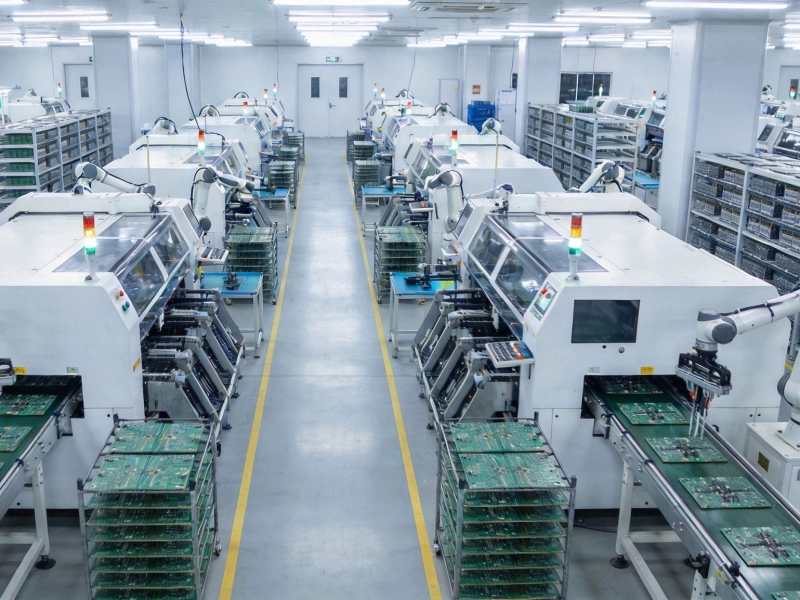
How to Scale Your Industrial PCB Production for Mass ManufacturingJune/02/2026
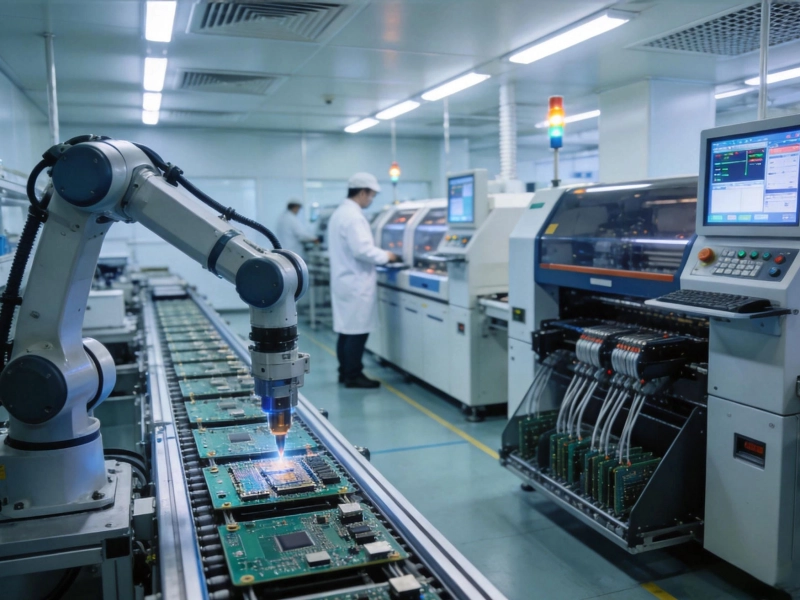
The Complete Guide to Manufacturing Processes and Industry ChallengesMay/27/2026

How Automation is Revolutionizing Industrial PCB Production in 2026September/02/2026
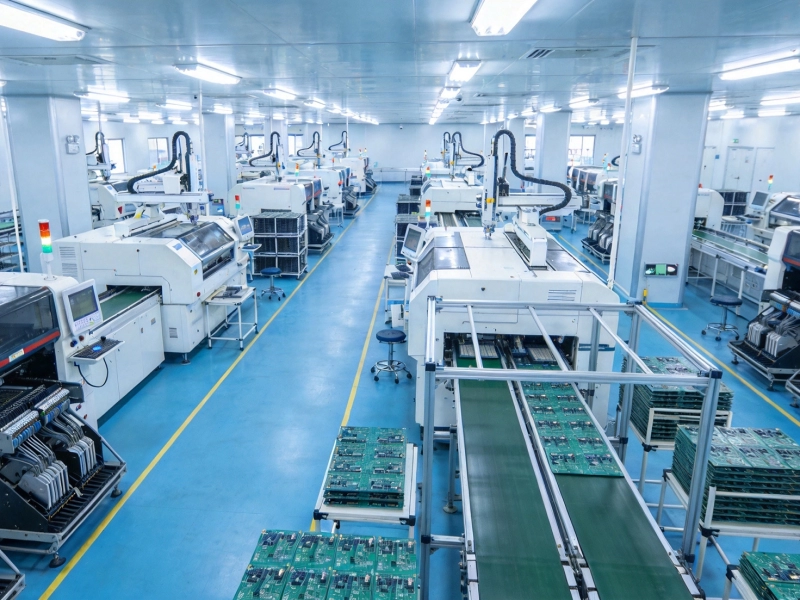
Cost Reduction Strategies in High-Volume Industrial PCB ProductionSeptember/18/2026

5 Critical Steps to Optimize Your Industrial PCB Production WorkflowJuly/15/2026
Navigating Supply Chain Challenges in Global Industrial PCB ProductionOctober/14/2026
Understanding the Lifecycle of an Industrial PCB Production RunJuly/31/2026
Aluminum vs. Copper Base: Choosing the Best Metal Core SolutionJuly/29/2026