Open Nav


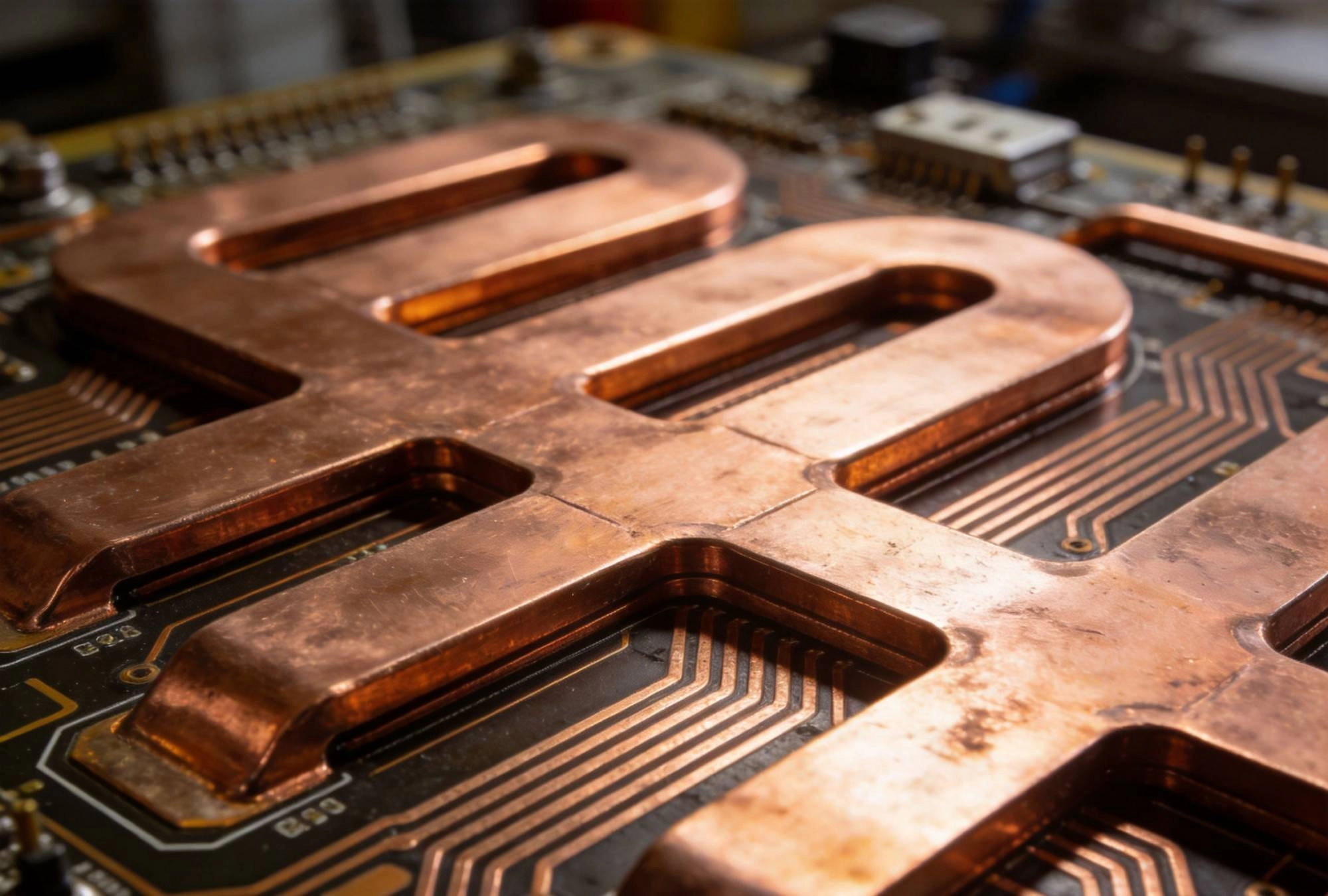
When your application demands currents that exceed what standard PCB copper can handle, you face a fundamental design challenge. Standard copper weight of one or two ounces works fine for signal routing and low-power distribution, but industrial po...
https://www.industrial-pcb-manufacturing.com/industrial-pcb-manufacturing-solutions/heavy-copper-pcbs-the-solution-for-high-current-industrial-applications/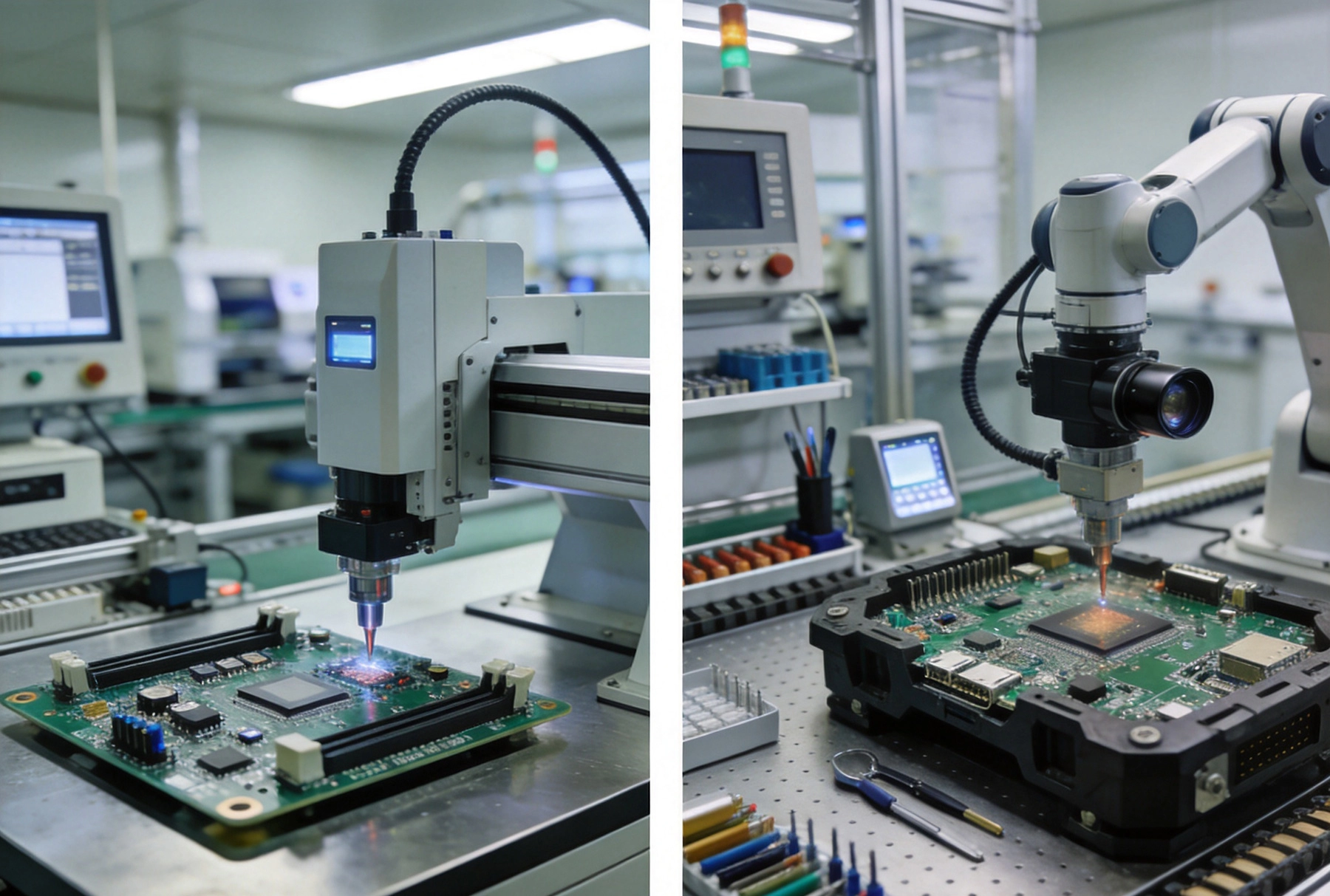
The PCB on a smartwatch and the PCB inside a industrial motor controller might look similar at first glance. Both have copper traces, components, and solder joints. But beneath the surface, the design choices, manufacturing processes, and quality s...
https://www.industrial-pcb-manufacturing.com/industrial-pcb-production/key-differences-between-consumer-and-industrial-pcb-production/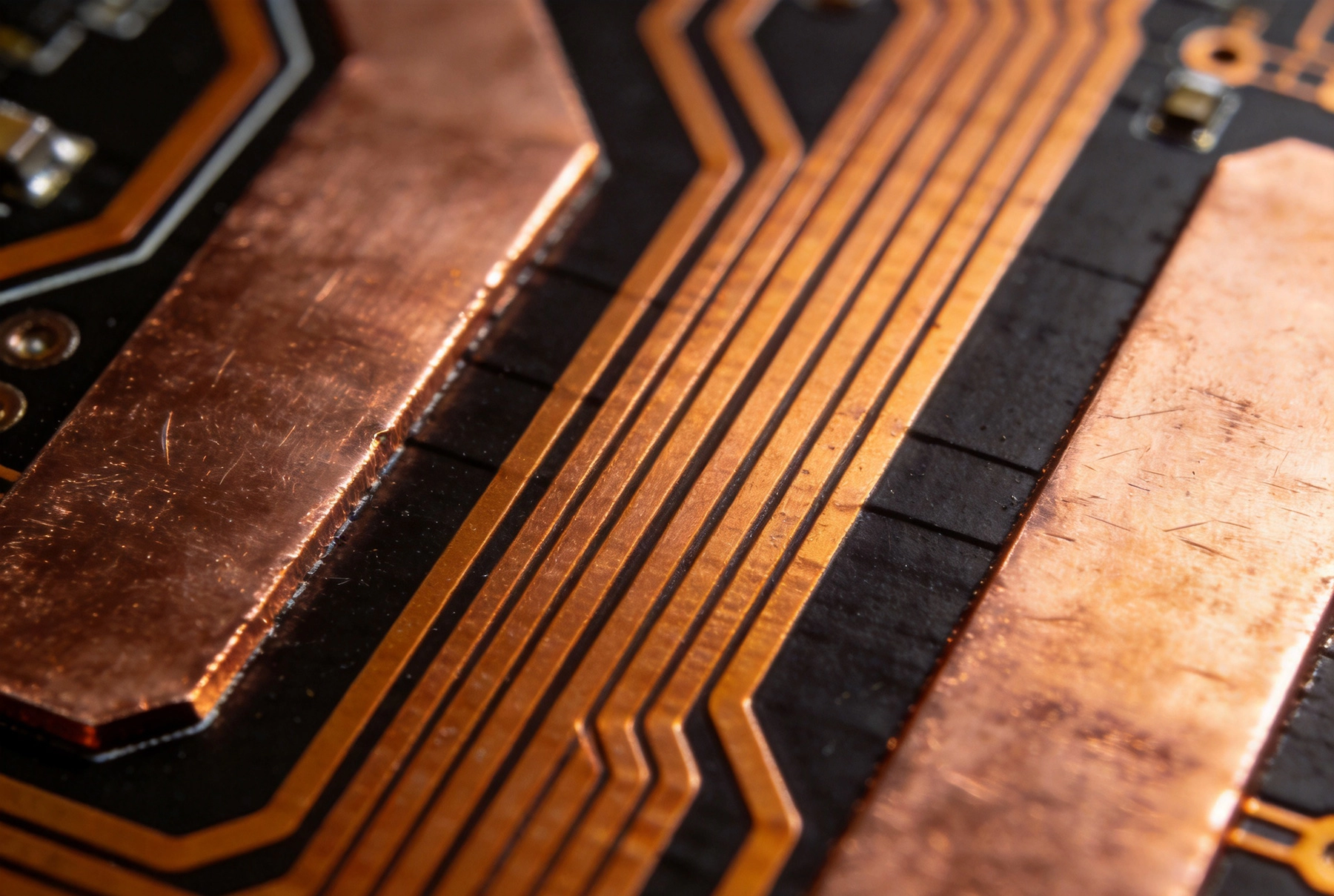
Power electronics push PCB design into territory that standard digital design practices rarely encounter. Where a digital signal trace carries milliamps and dissipates milliwatts, a power bus bar trace must conduct tens or hundreds of amps while ma...
https://www.industrial-pcb-manufacturing.com/industrial-pcb-dfm-design/design-rules-for-heavy-copper-traces-in-power-electronics/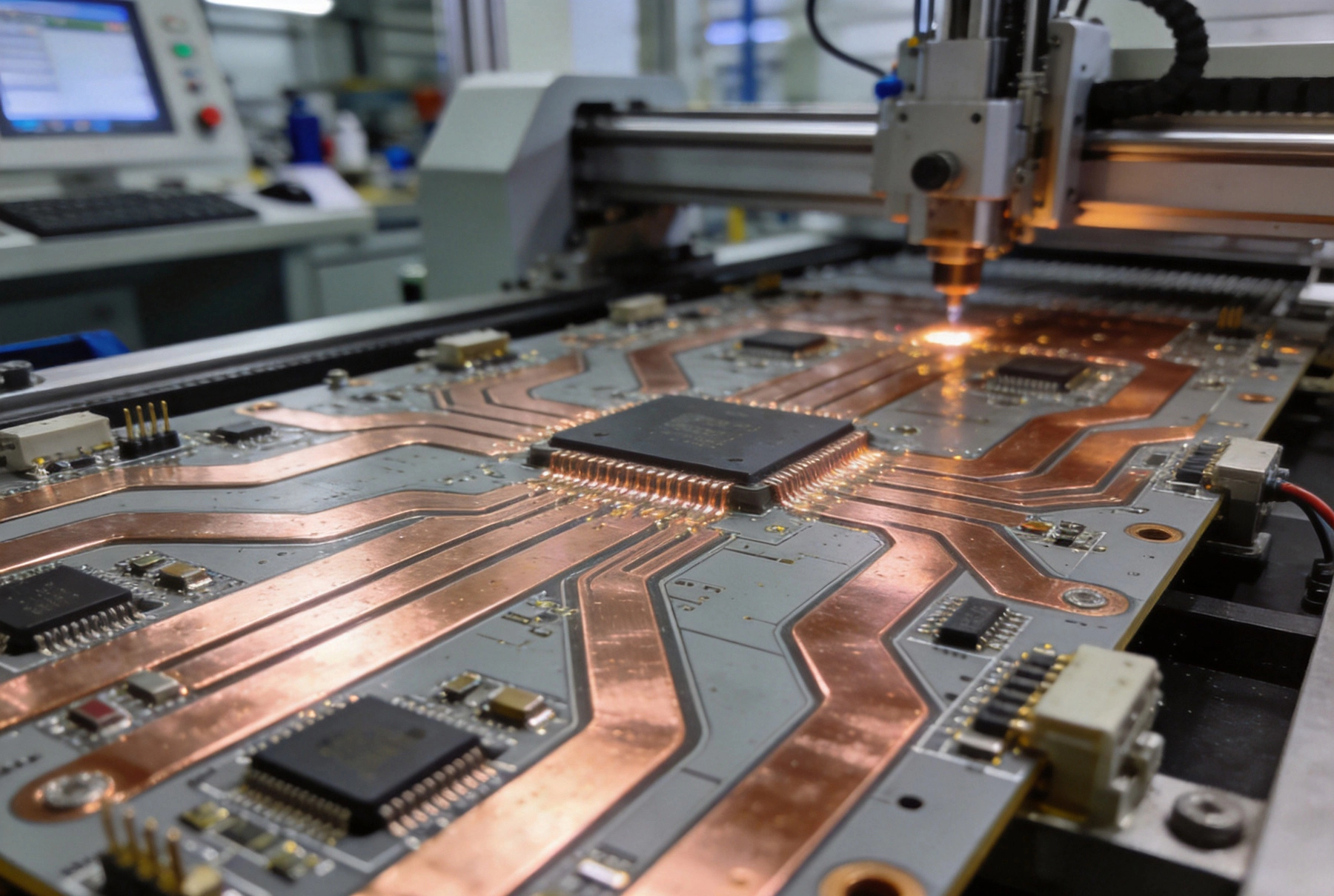
Industrial power electronics demand printed circuit boards capable of handling extraordinary current levels. From electric vehicle charging stations and renewable energy inverters to industrial motor drives and welding equipment, these applications...
https://www.industrial-pcb-manufacturing.com/industrial-pcb-assembly/manufacturing-processes-for-extreme-heavy-copper-industrial-pcbs/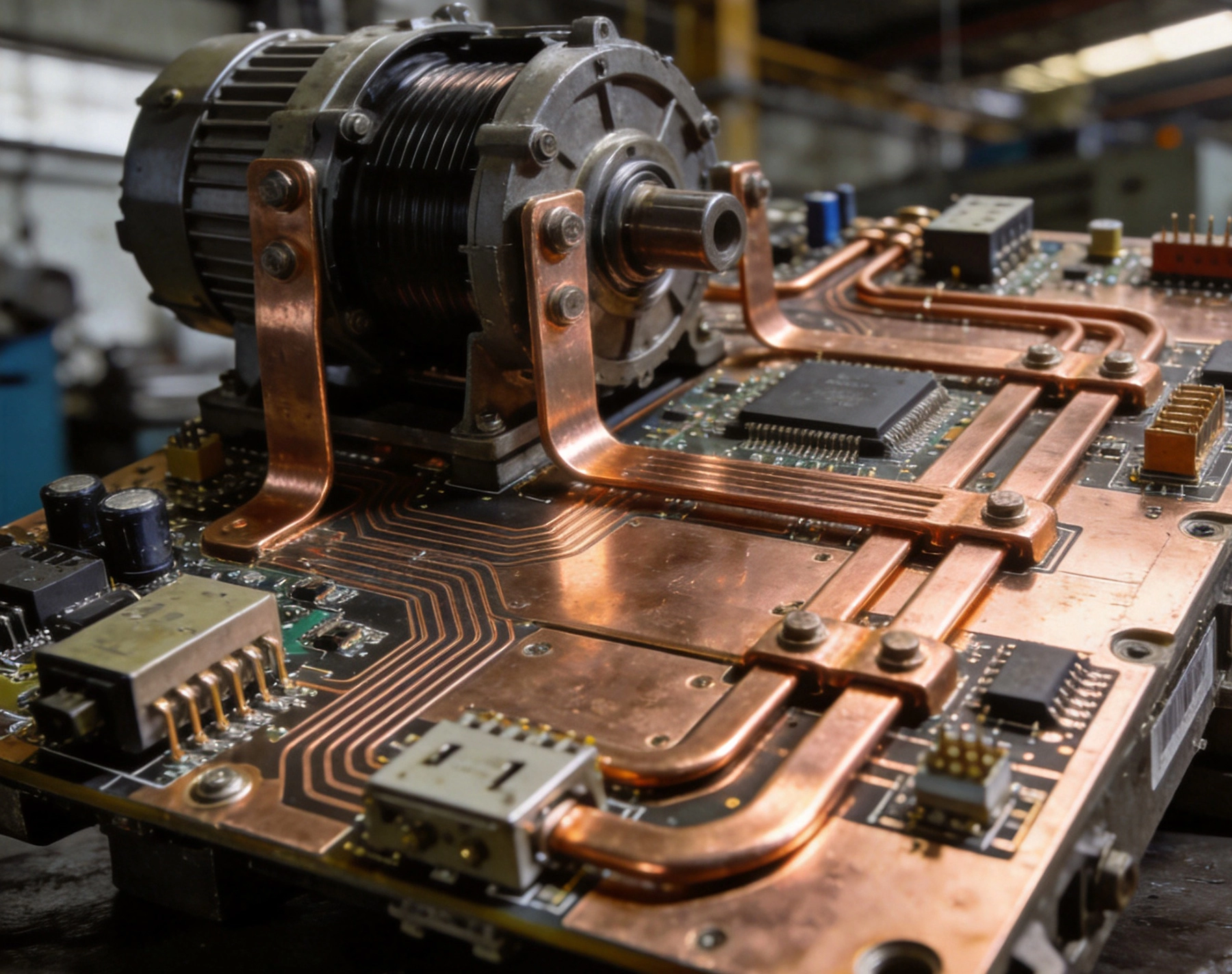
Motor drives operate at the intersection of high power and precise control. Whether managing a variable frequency drive for an industrial pump, a servo amplifier in a robotic arm, or the traction inverter in an electric vehicle, these systems push ...
https://www.industrial-pcb-manufacturing.com/industrial-pcb-manufacturing-solutions/how-heavy-copper-solutions-improve-reliability-in-motor-drives/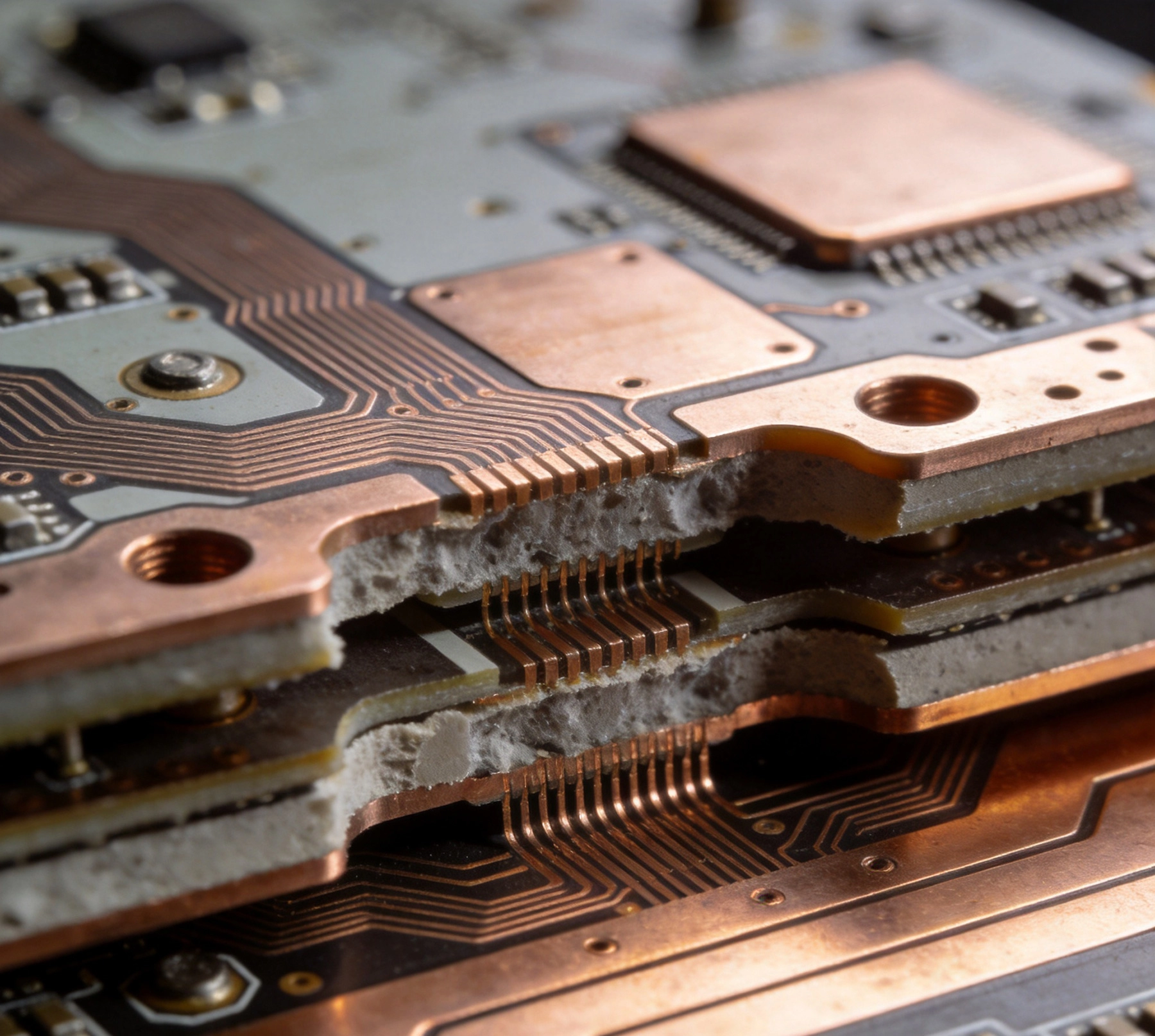
Power electronics demand more from PCB materials than their signal-processing counterparts. When your board must deliver hundreds of watts or tens of amps, copper weight becomes a primary design constraint rather than an afterthought. The thickness...
https://www.industrial-pcb-manufacturing.com/industrial-pcb-materials/copper-weight-matters-optimizing-industrial-pcb-materials-for-power-electronics/