Open Nav


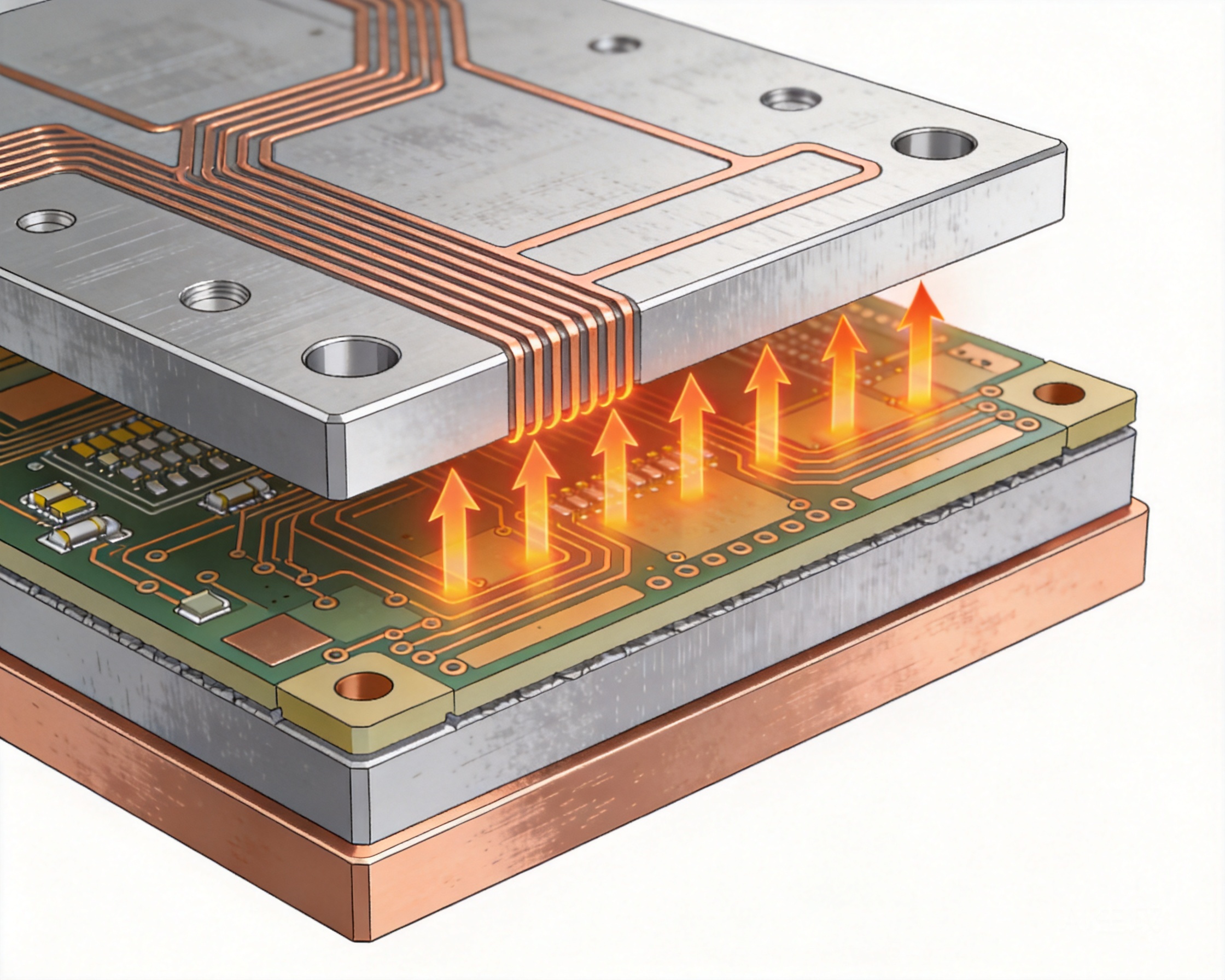
As electronic devices push toward higher power densities and extreme miniaturization, Thermal Management has emerged as the critical bottleneck determining product reliability, performance, and longevity. Traditional FR-4 glass-epoxy laminates with Thermal Conductivity below 1.0 W/m·K cannot keep pace with the heat generated by modern LED arrays, power supplies, motor drives, and RF amplifiers. Metal Core PCBs, also known as Insulated Metal Substrates, have become the industry standard for Thermal Management, with aluminum and copper representing the two dominant base material options. Choosing between them requires understanding their distinct thermal, mechanical, and economic characteristics.
The decision between aluminum and copper base materials extends far beyond simple Thermal Conductivity comparisons. Engineers must weigh factors including weight constraints, cost budgets, manufacturing complexity, coefficient of thermal expansion matching, and the specific thermal loads of their applications. Making the wrong choice can result in overheating failures, excessive material costs, or unnecessary weight penalties. This comprehensive analysis examines both materials across multiple dimensions to guide informed selection decisions.
Both aluminum and copper base MCPCBs share a fundamental three-layer construction that distinguishes them from conventional PCBs. The top layer consists of Copper Foil etched to form the circuit traces that carry electrical current and connect components. The middle layer is a thermally conductive dielectric that provides electrical isolation between the circuit layer and the metal base while allowing heat to pass through. The bottom layer is the metal core itself, which serves as the primary heat spreader and mechanical foundation.
The Dielectric Layer represents the critical enabling technology for MCPCBs. This specialized material must simultaneously provide electrical insulation withstand voltages of 2500 volts AC or higher while conducting heat at rates of 1.0 to 10 W/m·K, compared to standard FR-4 at approximately 0.3 W/m·K. Modern high-performance dielectrics use ceramic-filled polymers that achieve these dual requirements through carefully engineered compositions. The thickness and thermal conductivity of this layer significantly impact overall thermal performance regardless of the base metal selection.
Heat flows from components through the circuit copper, across the Dielectric Layer, and into the metal base where it spreads laterally across the entire board area. From there, heat transfers to the ambient environment through convection, conduction to attached heat sinks, or radiation. The metal base thickness, typically ranging from 0.6mm to 3.2mm, determines how effectively heat spreads from concentrated sources to the board edges, directly influencing maximum operating temperatures.
The intrinsic thermal conductivity of copper at approximately 400 W/m·K is nearly double that of high-grade aluminum alloys ranging from 138 to 238 W/m·K. This substantial difference suggests copper should provide superior thermal management, and in many applications it does. However, the complete thermal picture requires examining the entire heat flow path and the specific thermal challenges each application presents.
For applications with concentrated heat sources such as high-power LEDs, laser diodes, or RF power transistors, copper's superior thermal conductivity enables more effective lateral heat spreading. Heat generated at a point source quickly conducts across the copper base, preventing the formation of hot spots directly beneath components and distributing thermal load across a larger area. This spreading reduces the temperature rise at critical junctions, potentially improving component reliability and extending operational life. Reducing operating temperatures by just 10 degrees Celsius can effectively double component lifespan.
Copper's higher density, 8.96 g/cm³ compared to aluminum's 2.70 g/cm³, also contributes to thermal performance through increased thermal mass. The specific heat capacity calculation reveals that copper provides approximately 44 percent higher heat capacity per unit volume than aluminum. This means copper bases absorb more heat energy while experiencing smaller temperature increases, acting as thermal buffers that smooth temperature fluctuations during power cycling or transient loads. For applications with intermittent high-power pulses, this thermal mass can be advantageous.
However, aluminum's lower thermal conductivity does not necessarily translate to inadequate performance for many applications. With overall Thermal Resistance values typically ranging from 0.8 to 2.0 degrees Celsius per watt for standard aluminum MCPCBs, compared to less than 0.8 degrees Celsius per watt for copper, aluminum still provides dramatically better thermal management than FR-4 alternatives. For power densities below approximately 2 watts per square centimeter, which encompasses many LED lighting and consumer electronics applications, aluminum provides sufficient thermal capacity at significantly lower cost.
Mechanical characteristics significantly influence long-term reliability, particularly in applications experiencing Thermal Cycling, vibration, or mechanical shock. The coefficient of thermal expansion represents a critical parameter for Solder Joint Reliability, as mismatches between PCB and component materials create stress during temperature changes.
Copper's CTE of approximately 16 to 17 ppm per degree Celsius more closely matches ceramic component packages with CTE values around 6 to 7 ppm per degree Celsius compared to aluminum's 23 to 25 ppm per degree Celsius. This closer match reduces shear stress on solder joints during Thermal Cycling, potentially improving reliability in applications with wide temperature ranges or frequent power cycling. Automotive Electronics, industrial controls, and outdoor lighting installations particularly benefit from this improved thermal expansion matching.
The elastic modulus, a measure of material stiffness, also differs substantially between the metals. Copper's modulus of approximately 121 GPa provides 70 percent greater stiffness than aluminum's 70 GPa. This enhanced rigidity improves mechanical stability in vibration-prone environments and reduces board flexure that could stress components and solder joints. Applications such as automotive under-hood electronics, aerospace systems, and industrial machinery benefit from copper's superior structural integrity.
Aluminum's lower stiffness, however, provides some advantages in applications requiring formed or shaped boards. The softer material can be bent, stamped, or machined more easily than copper, enabling integration with mechanical housings, heat sink fins, or custom form factors. Many LED lighting fixtures leverage aluminum's formability to create integrated thermal solutions where the Mcpcb itself becomes part of the heat sink structure.
Cost differences between aluminum and copper MCPCBs are substantial and often drive Material Selection decisions. Raw material costs vary significantly, with copper priced substantially higher than aluminum on a per-weight basis. Combined with copper's higher density, material costs for copper-based MCPCBs typically run 3 to 5 times higher than equivalent aluminum constructions.
Manufacturing complexity also favors aluminum in many respects. Aluminum's softness enables efficient CNC routing, V-scoring, and mechanical processing using standard PCB Fabrication equipment. Copper's gummier, harder character causes rapid tool wear during machining, requiring slower feed rates, specialized cutting tools, and more frequent tool replacement. These factors increase processing time and tooling costs for copper-based boards.
The weight difference of approximately 66 percent between equivalent copper and aluminum boards impacts shipping costs and handling requirements, particularly for large panel sizes used in LED lighting applications. For weight-sensitive products such as portable electronics, drones, or aerospace applications, aluminum's lower density may be essential regardless of thermal considerations.
Copper does offer manufacturing advantages in specific areas. The material's excellent electrical conductivity supports heavy copper layers up to 10 ounces or more for high-current applications. Copper MCPCBs can accommodate plated through-holes for multilayer constructions, while aluminum's reactivity makes PTH processing extremely difficult. For complex designs requiring both high thermal conductivity and sophisticated electrical interconnect, copper may be the only viable option.
Direct Thermal Path technology represents a significant advancement that particularly benefits copper MCPCBs. In DTP designs, the dielectric layer is selectively removed beneath component thermal pads, allowing direct solder attachment between the component and the copper base. This creates a thermal shortcut that bypasses the dielectric bottleneck, effectively achieving the full 400 W/m·K thermal conductivity of copper for heat extraction from critical components.
The thermoelectric separation achieved through DTP enables dramatic improvements in thermal performance for high-power applications. Automotive headlight modules, high-brightness LED arrays, and laser diode drivers leverage this technology to manage extreme power densities that would overwhelm standard Mcpcb constructions. While aluminum can attempt similar pedestal approaches, copper's solderability, oxidation resistance, and thermal conductivity make it far superior for DTP implementations.
Implementing DTP requires careful design consideration. The selective dielectric removal must maintain electrical isolation for signal traces while opening thermal paths for power components. Manufacturing processes must control copper surface preparation, Solder Mask application, and plating to ensure reliable direct attachment. These complexities add cost but deliver unmatched thermal performance for demanding applications.
Selecting between aluminum and copper base materials requires systematic evaluation of application requirements across thermal, mechanical, electrical, and economic dimensions. The following guidelines provide a framework for decision-making based on typical application categories.
Aluminum MCPCBs excel in general LED lighting applications including bulbs, strips, panels, and outdoor fixtures where power densities remain moderate and cost sensitivity is high. The material's lightweight characteristics make it ideal for portable electronics, automotive interior lighting, and weight-constrained installations. Consumer electronics power supplies, industrial control modules, and telecommunications equipment benefit from aluminum's balance of performance and affordability.
Copper MCPCBs become essential when power densities exceed approximately 5 watts per square centimeter, typical of high-power LED arrays, laser modules, and RF power amplifiers. Applications requiring extreme reliability in harsh environments, including automotive headlights, medical imaging equipment, and military systems, justify copper's premium through improved thermal performance and mechanical stability. High-current applications leveraging heavy copper layers and designs requiring plated through-holes or multilayer construction necessitate copper bases.
Mixed applications may benefit from hybrid approaches. Localized copper inlays in aluminum bases combine aluminum's cost and weight advantages with copper's thermal performance at critical hot spots. Such designs require advanced manufacturing capabilities but can optimize cost-performance trade-offs for complex thermal challenges.
Maximizing MCPCB performance requires design practices tailored to the specific base material. For aluminum boards, optimizing Thermal Vias beneath components, maximizing copper pour areas on the circuit layer, and minimizing dielectric thickness within insulation requirements all improve heat transfer. Stencil aperture design must account for aluminum's higher thermal mass during reflow, potentially requiring modified profiles to ensure proper solder joint formation.
Copper designs benefit from leveraging the material's superior thermal conductivity through strategic component placement that spreads heat sources across the board. The excellent lateral heat spreading enables smaller thermal management solutions than equivalent aluminum designs. However, copper's rapid heat conduction requires attention to thermal gradients during reflow soldering to prevent component damage or tombstoning.
Surface finish selection varies by base material. Aluminum boards typically use organic solderability preservatives or immersion silver for the circuit layer, with the aluminum base receiving anodization or chemical conversion coatings for corrosion protection. Copper boards accommodate standard PCB finishes including electroless nickel immersion gold, immersion tin, or organic coatings on both circuit layer and exposed base areas.
Metal Core Pcb technology continues evolving to meet increasingly demanding thermal challenges. Ceramic-filled dielectrics with thermal conductivities exceeding 10 W/m·K are becoming available, reducing the thermal bottleneck that limits both aluminum and copper MCPCB performance. These advanced materials narrow the practical performance gap between base materials while increasing costs.
Embedded copper coin technology allows integration of Thick Copper thermal paths within otherwise standard PCB constructions, providing localized heat spreading without the weight and cost penalties of full copper bases. This hybrid approach suits applications with isolated high-power components rather than distributed thermal loads.
Active thermal management integration, including embedded heat pipes, thermoelectric coolers, or liquid cooling channels, extends MCPCB capabilities for extreme applications. These technologies may shift the base material decision by changing the Thermal Resistance distribution in the overall cooling path, potentially favoring lower-cost aluminum when active cooling dominates performance.
The choice between aluminum and copper base MCPCBs represents a multidimensional optimization problem without universal answers. Copper's superior thermal conductivity, closer Cte Matching with ceramic components, and mechanical stiffness make it indispensable for high-power density, high-reliability applications where performance trumps cost. Aluminum's lower weight, reduced cost, excellent formability, and adequate thermal performance for moderate power densities make it the practical choice for the majority of MCPCB applications.
Successful Material Selection requires quantitative thermal analysis of specific applications, understanding of reliability requirements, and honest assessment of cost constraints. Engineers should calculate expected thermal resistances, evaluate temperature rise under worst-case conditions, and consider total system costs including manufacturing, assembly, and potential field failure expenses before making final decisions.
Both materials have established track records across decades of Electronics Manufacturing. Rather than seeking a single superior solution, engineers should develop expertise in applying each material where its strengths align with application requirements. This nuanced approach to material selection ultimately delivers optimal products that balance performance, reliability, and cost for each specific use case.
How Heavy Copper Solutions Improve Reliability in Motor DrivesSeptember/16/2026
Minimizing Signal Loss and Crosstalk in High-Speed PCB LayoutsSeptember/01/2026
Manufacturing Processes Unique to Rigid-Flex PCB SolutionsOctober/10/2026
Material Selection Guide for High-Speed Industrial PCB SolutionsJuly/14/2026
Signal Integrity Benefits of High-Layer Count and HDI SolutionsAugust/12/2026
Why Choose Rigid-Flex PCB Solutions for Complex Industrial Assemblies?June/17/2026

How to Find the Right Partner for Your Custom Industrial PCB SolutionsJuly/24/2026
Heavy Copper PCBs: The Solution for High-Current Industrial ApplicationsJune/18/2026