Open Nav



As electronic devices push toward higher power densities and extreme miniaturization, thermal management has emerged as the critical bottleneck determining product reliability, performance, and longevity. Traditional FR-4 glass-epoxy laminates ...
https://www.industrial-pcb-manufacturing.com/industrial-pcb-manufacturing-solutions/aluminum-vs-copper-base-choosing-the-best-metal-core-solution/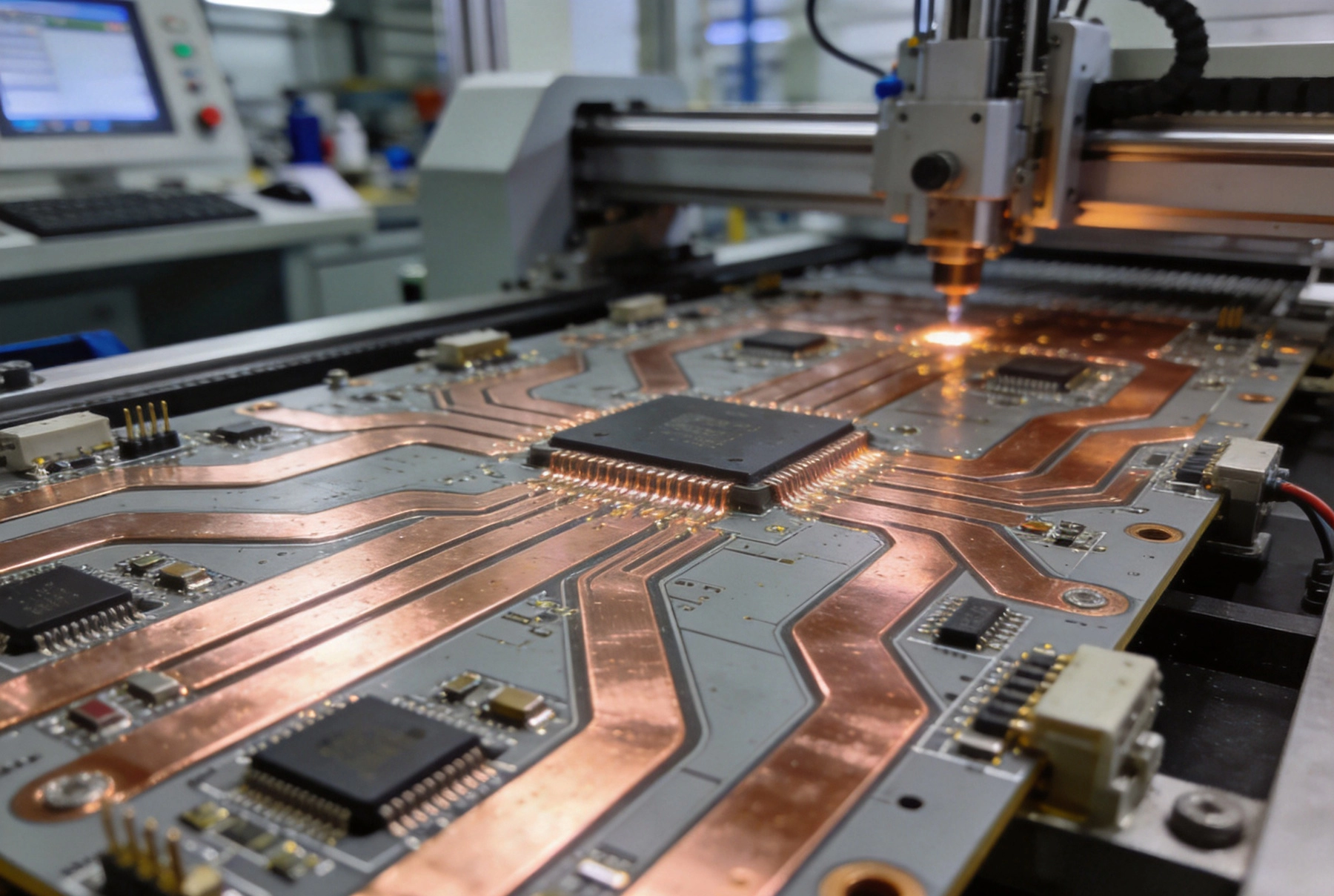
Industrial power electronics demand printed circuit boards capable of handling extraordinary current levels. From electric vehicle charging stations and renewable energy inverters to industrial motor drives and welding equipment, these applications...
https://www.industrial-pcb-manufacturing.com/industrial-pcb-assembly/manufacturing-processes-for-extreme-heavy-copper-industrial-pcbs/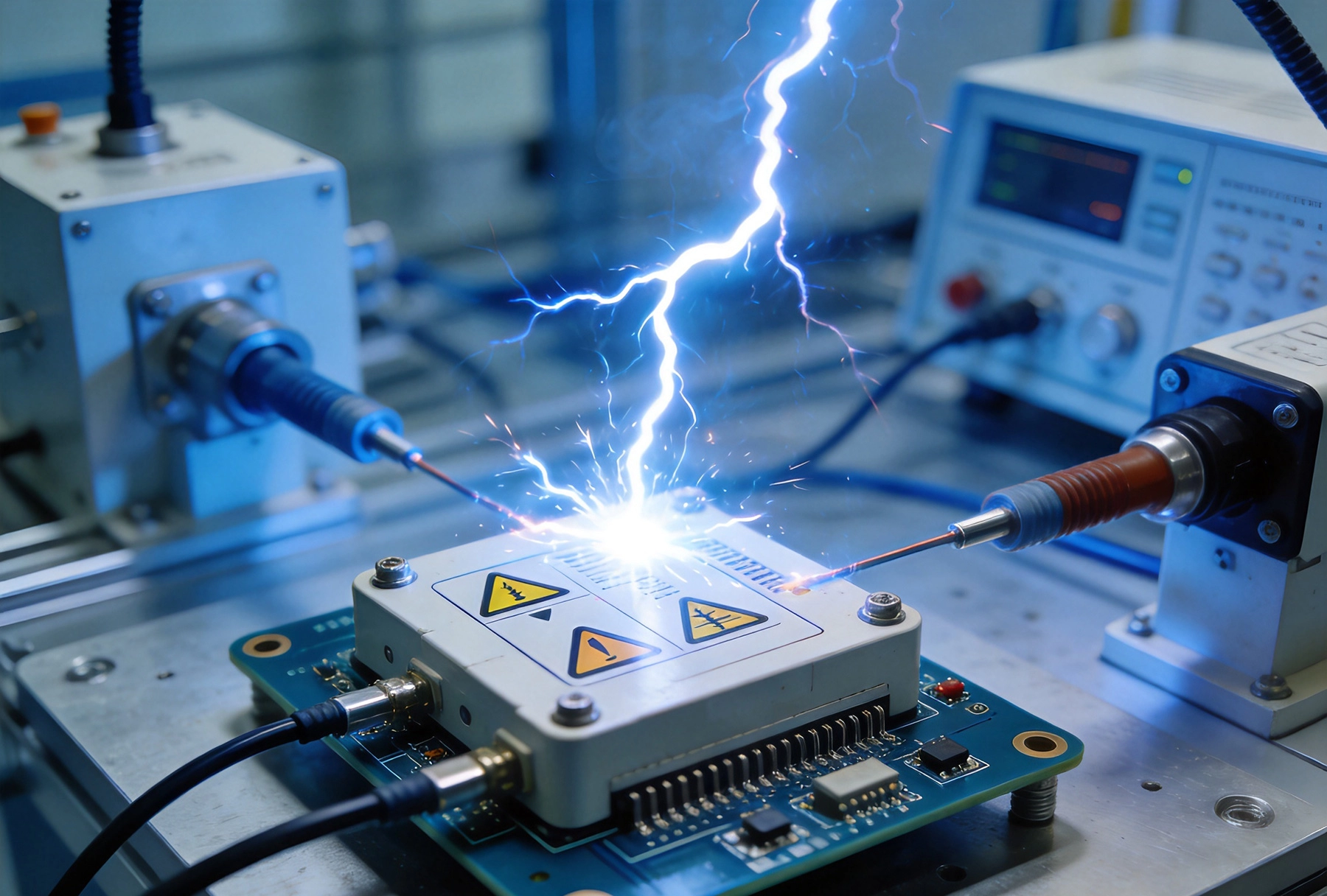
High-voltage applications present unique challenges that standard PCB materials cannot always meet. From motor drives operating at 600 volts to power supplies pushing into kilovolt ranges, the electrical environment demands careful material selecti...
https://www.industrial-pcb-manufacturing.com/industrial-pcb-materials/how-to-select-industrial-pcb-materials-for-high-voltage-applications/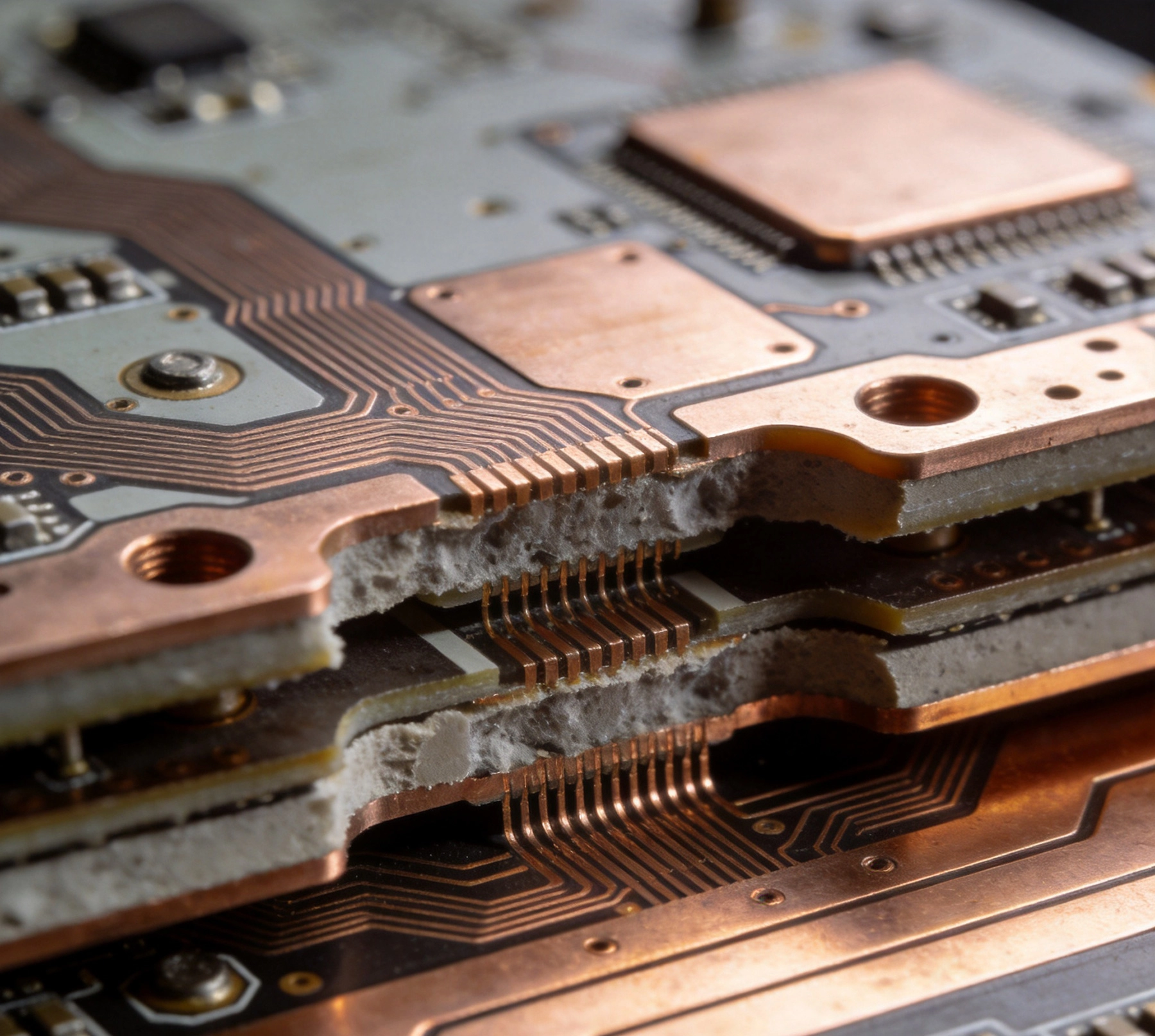
Power electronics demand more from PCB materials than their signal-processing counterparts. When your board must deliver hundreds of watts or tens of amps, copper weight becomes a primary design constraint rather than an afterthought. The thickness...
https://www.industrial-pcb-manufacturing.com/industrial-pcb-materials/copper-weight-matters-optimizing-industrial-pcb-materials-for-power-electronics/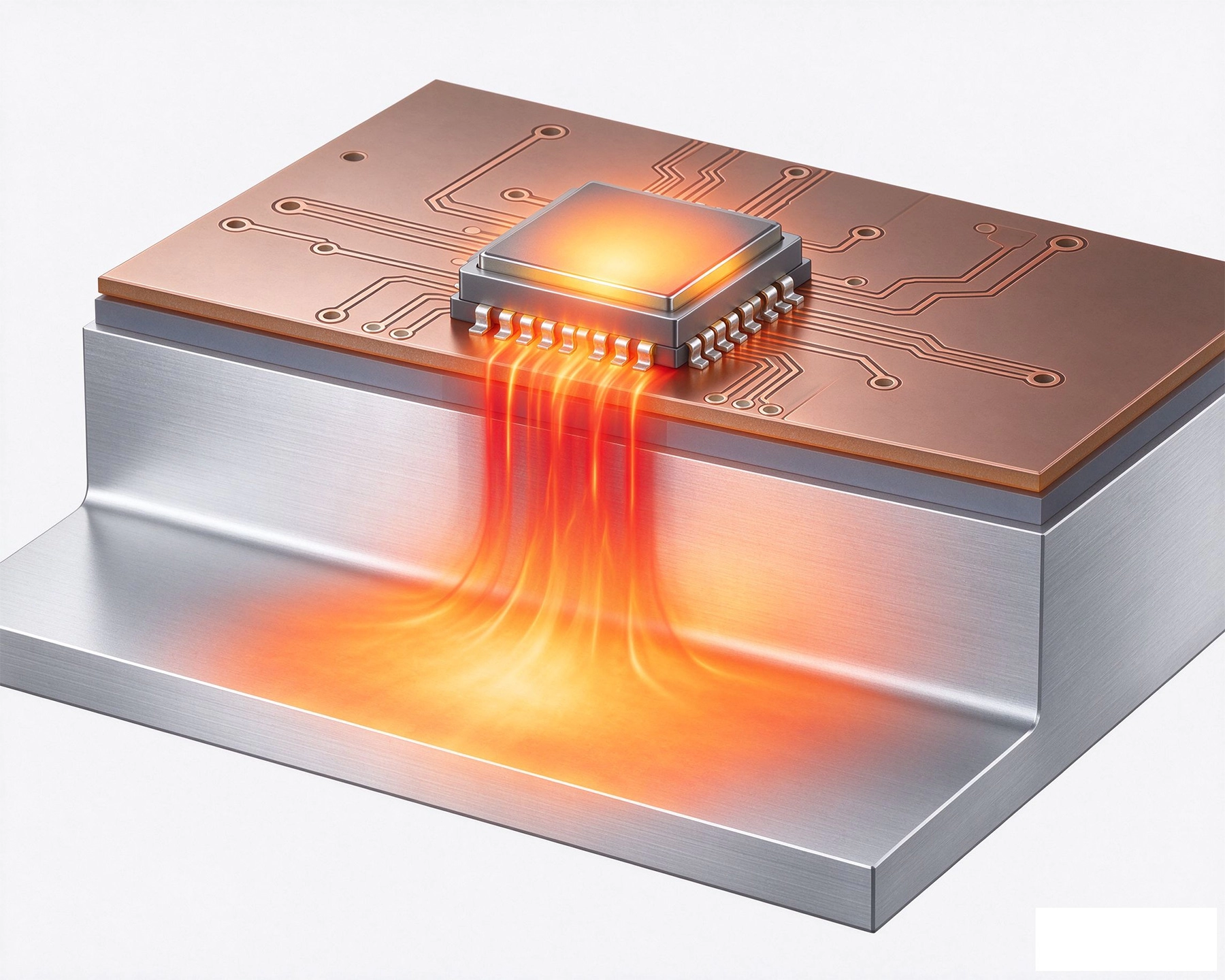
Thermal management is one of the most critical design challenges in modern electronics. As power densities increase in LED lighting, automotive electronics, power supplies, and RF amplifiers, traditional FR-4 substrates reach their thermal limits. ...
https://www.industrial-pcb-manufacturing.com/industrial-pcb-manufacturing-solutions/thermal-resistance-and-dielectric-layers-in-metal-core-pcb-solutions/