

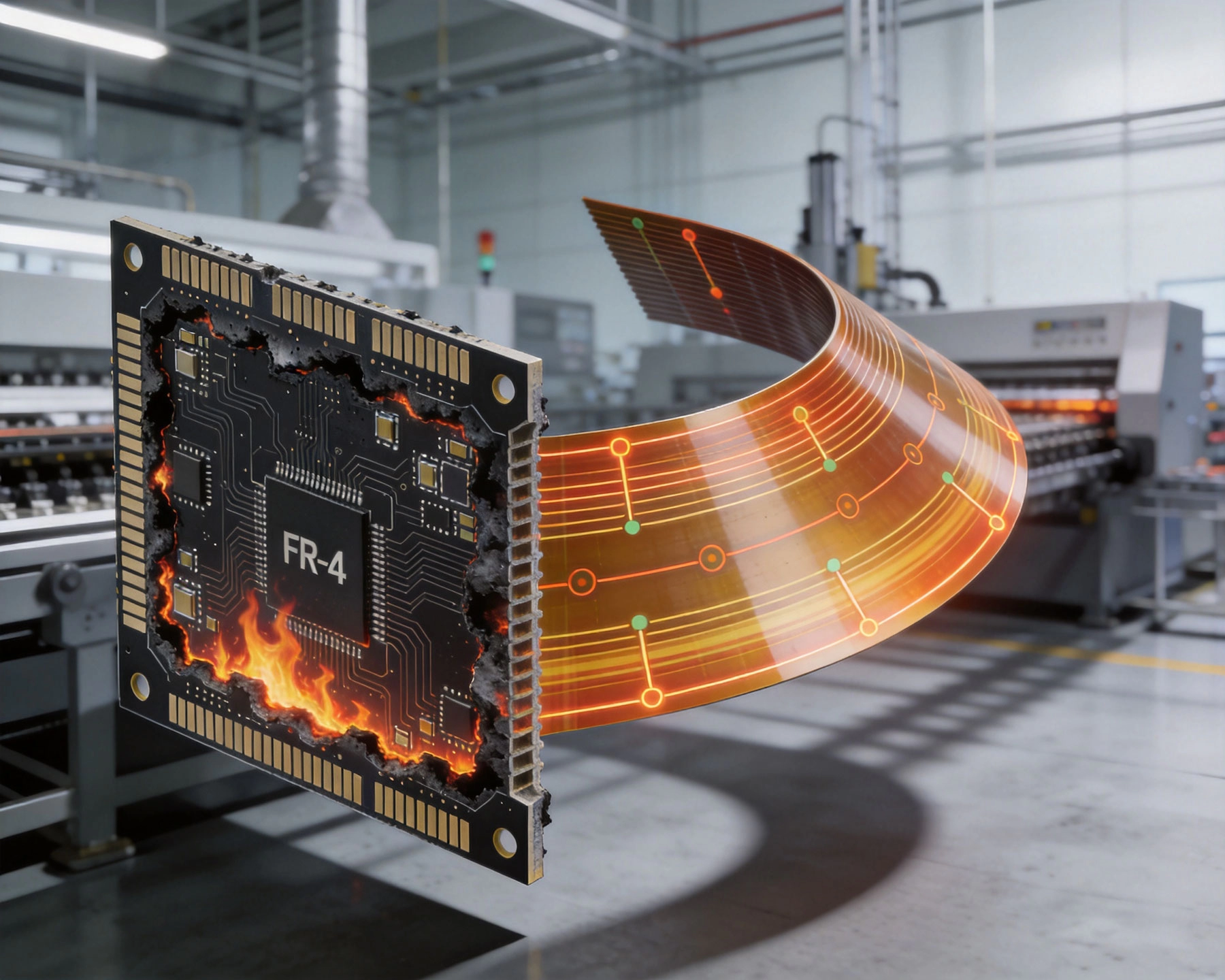
Choosing the wrong PCB base material can quietly sabotage an otherwise solid design. Your board might work perfectly on the bench, then fail prematurely in the field due to thermal cycling, moisture exposure, or vibration. The culprit is often not ...
https://www.industrial-pcb-manufacturing.com/industrial-pcb-materials/fr-4-vs-polyimide-choosing-the-right-industrial-pcb-materials/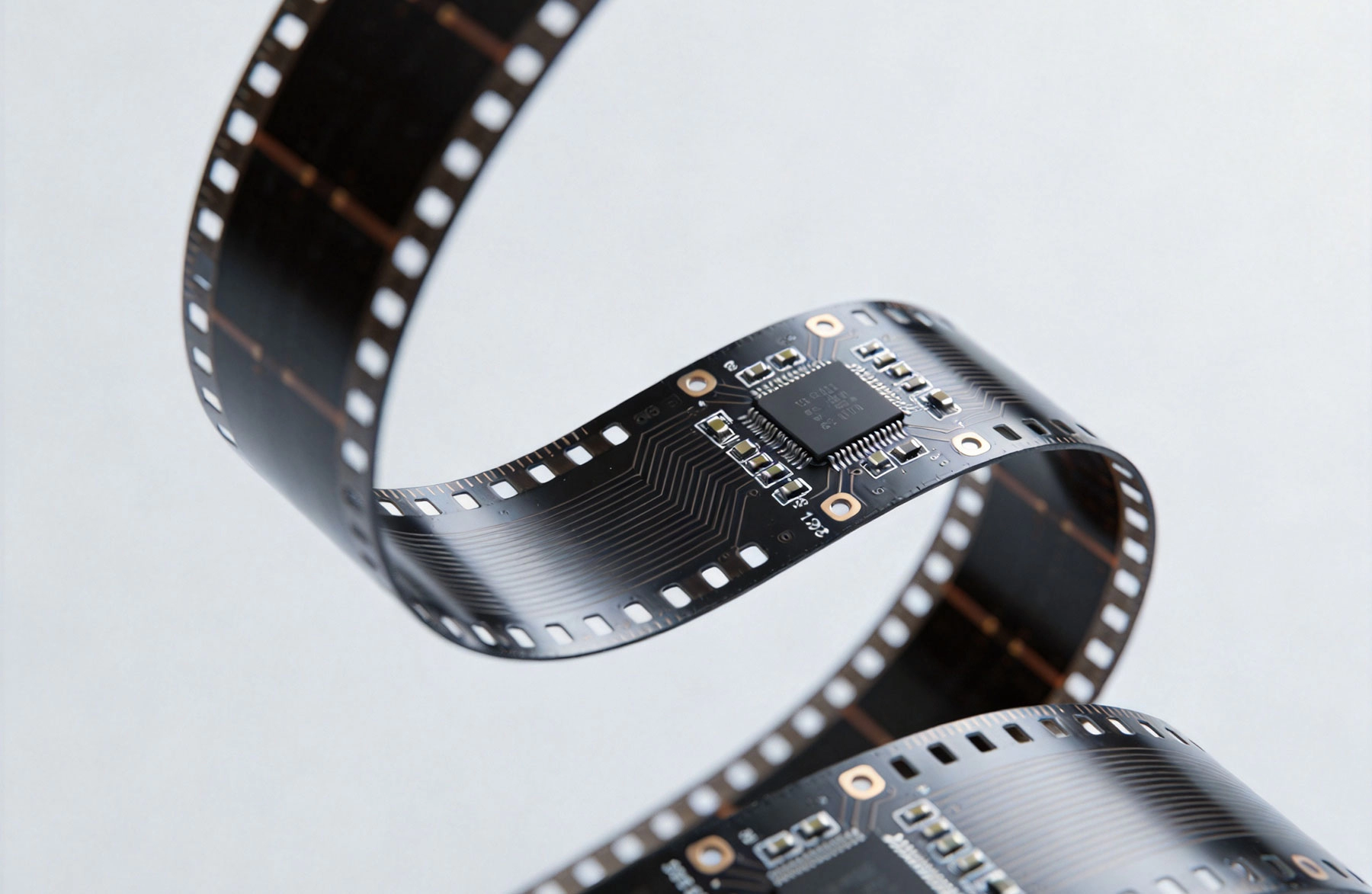
Flexible printed circuit boards have transformed electronics design by enabling connections in three-dimensional space, reducing weight, and allowing products to conform to complex shapes. However, designing flexible PCBs for dynamic applications—w...
https://www.industrial-pcb-manufacturing.com/industrial-pcb-manufacturing-solutions/design-guidelines-for-durable-flex-pcb-solutions-in-dynamic-applications/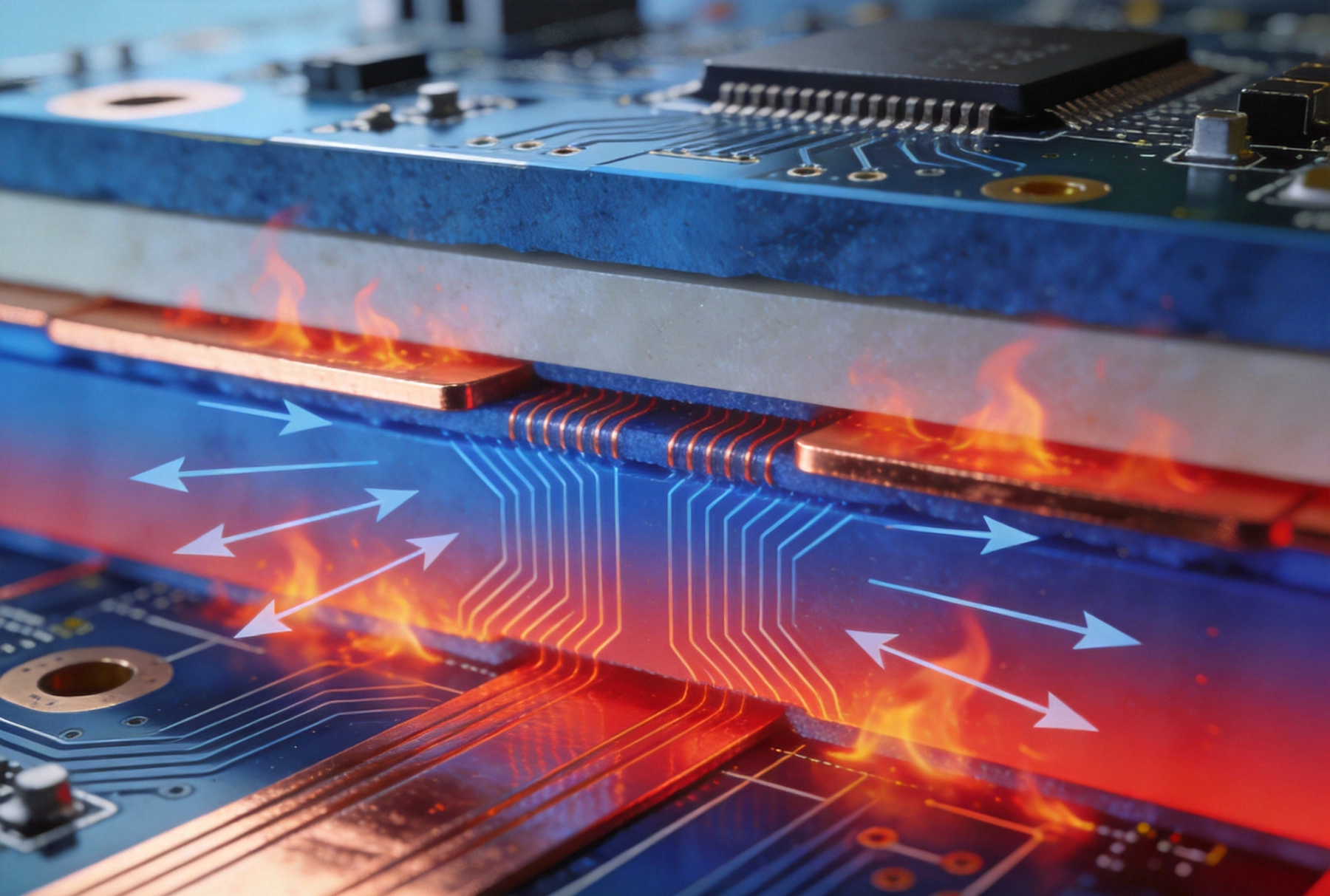
Every material expands when heated and contracts when cooled. This fundamental physical behavior, quantified by the coefficient of thermal expansion (CTE), creates persistent challenges in electronic assembly. As circuit boards cycle through temper...
https://www.industrial-pcb-manufacturing.com/industrial-pcb-materials/understanding-cte-and-its-impact-on-industrial-pcb-materials-selection/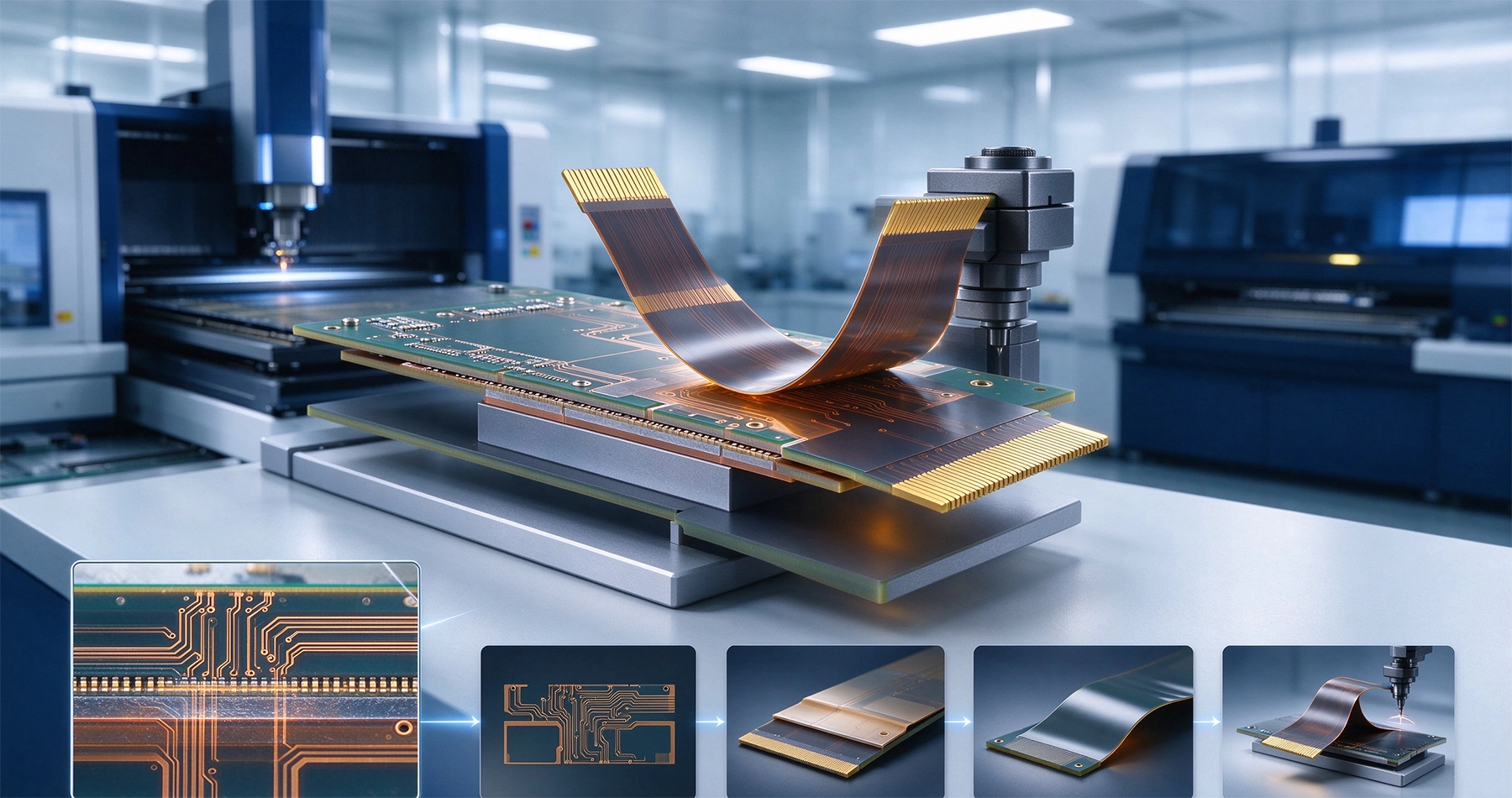
Rigid-flex PCB technology has become increasingly important in modern electronics, especially for applications where space is tight, reliability is critical, and traditional rigid boards or flexible circuits alone just cannot do the job. But rigid-...
https://www.industrial-pcb-manufacturing.com/industrial-pcb-manufacturing-solutions/manufacturing-processes-unique-to-rigid-flex-pcb-solutions/